

When exploring the various methods of heat rejection from a system, air-cooled condensers stand out for their simplicity and effectiveness. Unlike water-cooled condensers that require a constant supply of water, air-cooled condensers rely on air to dissipate heat. This alternative proves its worth in numerous applications, from industrial refrigeration to air conditioning systems. Their growing popularity is a testament to the multitude of benefits they offer in terms of energy efficiency, maintenance, and environmental impact. Below, we delve into why air-cooled condensers are an increasingly preferred choice across diverse sectors.
Understanding Air-cooled Condensers and Their Operational Basics
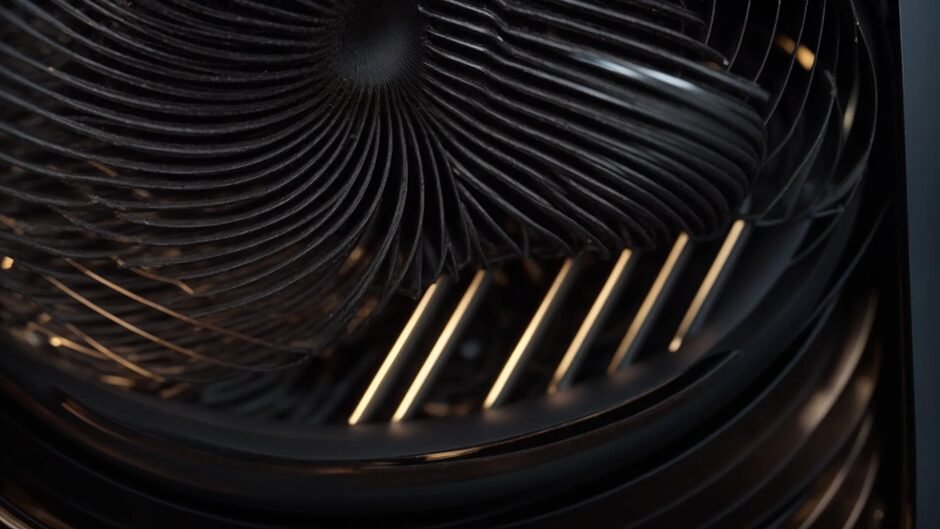
Air-cooled condensers function by passing the refrigerant through coils that are exposed to the ambient air. Fans are typically used to accelerate the heat transfer process by forcing air over these coils. This way, the refrigerant is cooled and condensed without the need for an additional water cooling system.
The operational principle behind air-cooled condensers is quite straightforward, yet it’s their efficiency in heat dissipation that demands attention. By leveraging the vast thermal capacity of the surrounding air, these condensers achieve a natural cooling effect that’s both effective and expedient.
One of the critical elements to consider in the functionality of air-cooled condensers is the ambient temperature. This is because the efficiency of the system largely depends on the temperature difference between the refrigerant and the air. However, with proper design and technology, these condensers can be adeptly optimized for various environmental conditions.
Benefits of Low Maintenance and Operational Costs in Air-cooled Systems
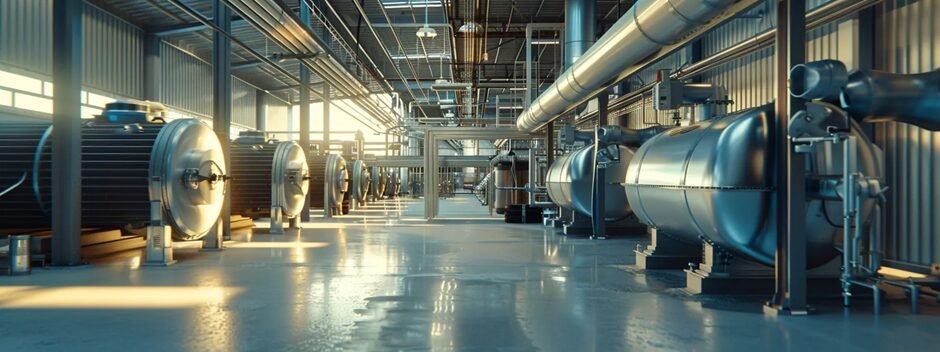
Over the lifetime of a cooling system, maintenance and operational costs are vital considerations for any business. Air-cooled condensers naturally offer a lower total cost of ownership. Absent are the costs and complexities associated with water supply, treatment chemicals, and management of water quality.
Furthermore, the closed-loop nature of the air-cooled system preserves the integrity of the refrigerant. This means that the risks of leaks and contamination are substantially diminished, projecting a more predictable operational cost over time.
The durability of these systems is another cost-saving feature. The absence of corrosive elements often encountered in water-cooled systems means that the structural and mechanical components of air-cooled condensers are less likely to degrade. This extends the lifespan of the equipment and further lowers the need for replacement parts and repairs.
The Environmental Impact of Using Air-cooled Condensers
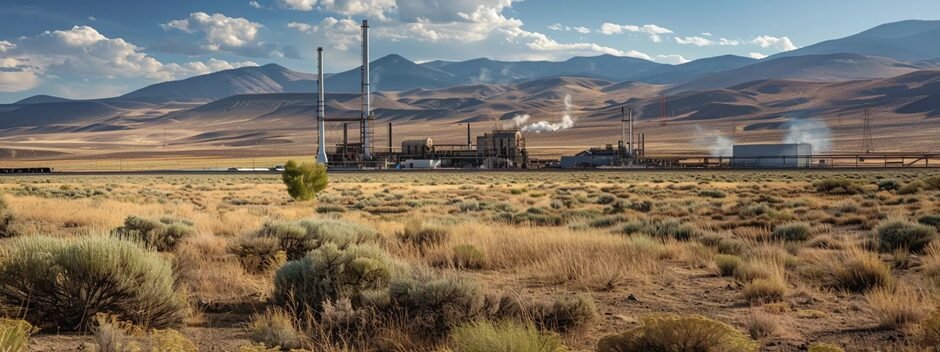
The environmental advantages of air-cooled condensers are significant, spanning from water conservation to reduced chemical usage. Since they do not utilize water for cooling, they eliminate the persistent issue of water scarcity and reduce the strain on local water resources, particularly in arid regions or areas with water usage restrictions.
Chemical treatments necessary for maintaining water-cooled systems have their own environmental risks, potentially leading to pollution if not properly managed. By eliminating the need for such chemicals, air-cooled condensers present a cleaner and greener alternative.
The potential for reducing greenhouse gas emissions with air-cooled condensers can’t be overlooked. By improving energy efficiency and thus lowering power consumption, these systems help mitigate the carbon footprint of cooling operations, aligning with global sustainability goals.
Air-cooled Condensers in Various Climates: Adaptability and Performance
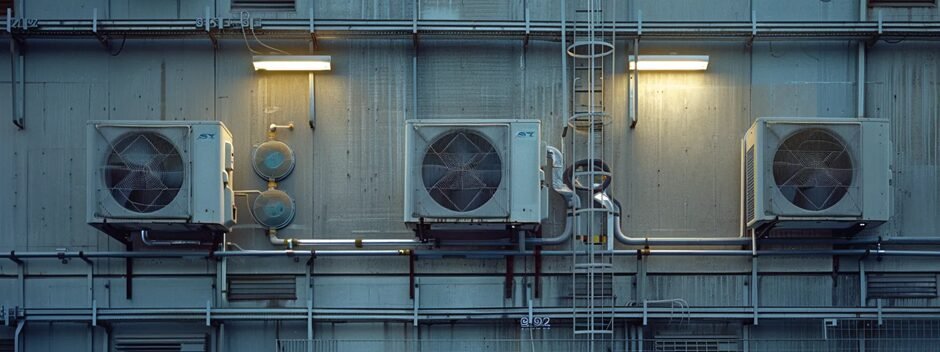
Misconceptions about the performance of air-cooled condensers in extreme climates are not uncommon. However, thanks to advances in engineering and design, these systems are now more adaptable than ever before. Manufacturers optimize condenser units for specific climatic conditions, ensuring that their performance remains robust whether in scorching deserts or freezing tundra.
In hotter climates, the design of air-cooled condensers often incorporates larger surface areas or more efficient fans to compensate for the high ambient temperatures. Conversely, in colder environments, the systems may include controls to prevent overcooling and condensate freezing, which could otherwise damage the units.
Not only are these condensers versatile across temperature spectra, but they are also capable of withstanding other environmental factors such as humidity and salinity. This resilience makes them suitable for coastal regions where corrosion can be a significant issue for other types of cooling infrastructure.
Overall, the benefits of air-cooled condensers in terms of energy efficiency, cost savings, environmental impact, and adaptability to different climates are undeniable. They provide a versatile and sustainable solution for modern cooling needs, reflecting an evolution in technology that meets the demands of both industry and the environment.