
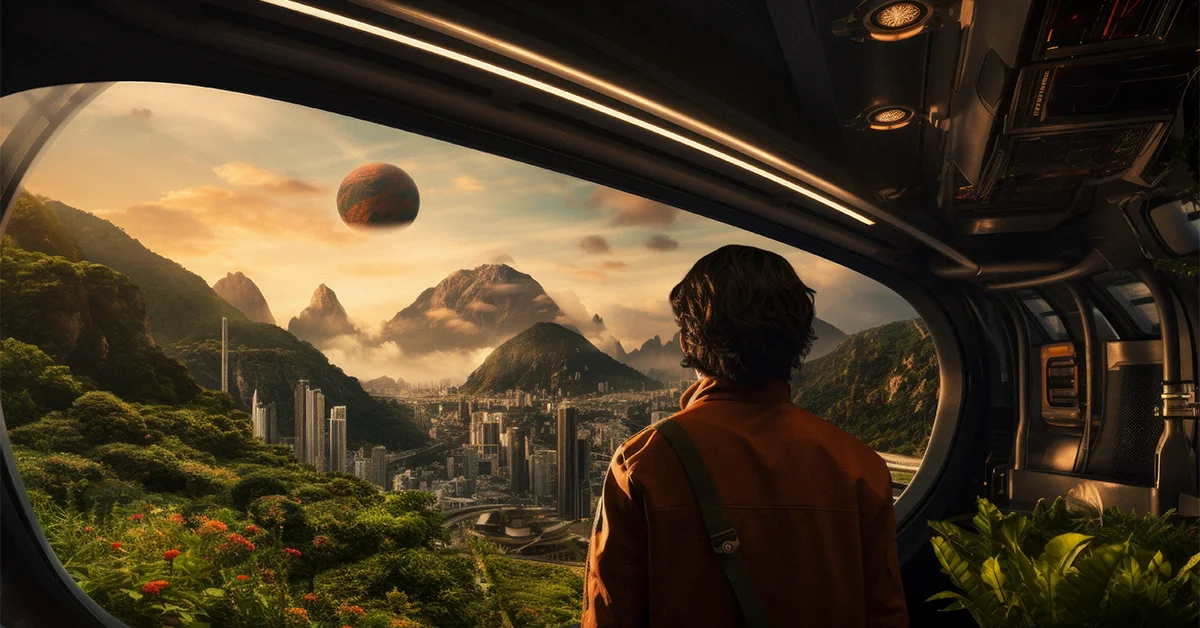
Dystopian worlds have long captured the imaginations of readers, filmmakers, and thinkers alike. From George Orwell’s 1984 to the more recent The Hunger Games by Suzanne Collins, dystopian narratives paint a picture of a future where society is often oppressive, freedom is restricted, and people are forced to conform to brutal systems of control. But among these harsh realities, one question persists: Are people happy in a dystopian world?
In this article, we will delve deep into the concept of happiness in a dystopian world. We’ll explore what happiness even means in such societies, how people find meaning and joy amidst oppression, and whether it is possible to experience fulfillment in a world that is designed to suppress individuality and freedom.
TRENDING
Mastering Collaboration: Insights Into An Integrated Design Project
What Is A Dystopian World?
Before we can discuss happiness, it’s essential to first understand what a dystopian world truly represents. Dystopia is essentially the opposite of utopia—an imagined society that is unpleasant, often characterized by totalitarian governments, severe inequality, and a lack of individual freedoms. These worlds are designed to be the extreme examples of negative societal consequences, whether that’s through environmental collapse, technological control, or social stratification.
Some of the key traits of dystopian societies include:
- Authoritarian governments: A single, all-powerful regime often rules with an iron fist, controlling every aspect of life, from the economy to personal thoughts and actions.
- Surveillance: People are constantly monitored, making privacy a foreign concept.
- Propaganda and manipulation: Information is distorted to maintain control, and people are often kept in the dark about the true nature of their world.
- Extreme inequality: There is often a sharp divide between the elite and the rest of the population, leading to widespread poverty, suffering, and hopelessness for many.
With these characteristics in mind, it’s easy to see why happiness might seem like a distant dream in such a world. But is that always the case? Let’s dive into the psychology of happiness in a dystopia and explore how people might still find joy in these dark circumstances.
The Nature Of Happiness In Dystopia
Happiness, in its traditional sense, is often seen as a state of well-being, peace, and fulfillment. In a utopian society, happiness might be easily attainable through freedom, equal opportunities, and access to resources. But in a dystopia, these luxuries are often stripped away. So, how do people experience happiness in such oppressive settings?
Acceptance of the Status Quo
In many dystopian worlds, especially those depicted in literature, people adapt to their circumstances over time. This is known as adaptation. In real life, humans have an amazing capacity to adjust to their environments. In a dystopian society, people may learn to accept their lack of freedom, the constant surveillance, and the harsh rules because that’s all they’ve ever known.
The concept of learned helplessness also comes into play. When individuals are repeatedly subjected to difficult or painful situations without the ability to escape, they may stop trying to change their circumstances. This can lead to a form of psychological adaptation where people find ways to maintain a sense of internal peace or joy, even in oppressive environments.
In dystopian stories, characters often experience moments of fleeting happiness, not because the world around them has changed, but because they’ve come to terms with their situation. Whether it’s through bonding with loved ones or finding small acts of rebellion or joy, people can still experience happiness, even if it’s limited or transient.
Escape Through Illusion
In some dystopian societies, happiness is manufactured or forced upon the population through illusion. Governments may create a facade of happiness through propaganda, entertainment, or controlled experiences. One of the most famous examples of this is in Aldous Huxley’s Brave New World, where the citizens of the dystopian society are given a drug called “soma” to keep them content and numb to their reality.
While soma in Brave New World is fictional, similar concepts exist in the real world. In some dystopian worlds, people might turn to artificial forms of happiness, whether through substances, media, or even virtual experiences. These forms of “happiness” are often fleeting and shallow, but they provide a temporary escape from the harshness of reality. People in these societies may never truly experience genuine happiness, but they may settle for the illusion of it.
Rebellion and Resistance
Another way people may find happiness in a dystopia is through rebellion and resistance. Even in the most oppressive societies, there are often individuals or groups who challenge the system. In stories like The Hunger Games, V for Vendetta, and 1984, we see protagonists who rebel against oppressive regimes, seeking justice, freedom, and a better world. The act of resistance, while dangerous and difficult, can provide a sense of purpose and fulfillment, which contributes to happiness.
While rebellion in a dystopia often comes with immense personal cost, it can also bring moments of triumph and solidarity. When people fight for a cause they believe in—whether it’s freedom, equality, or justice—they may experience a deep sense of satisfaction, even in the face of overwhelming odds.
Human Connection and Love
One of the most enduring themes in dystopian fiction is the power of human connection. In a world where nearly everything is controlled, the relationships that people form with others can become one of the few sources of genuine happiness. Love, friendship, and family provide a sense of comfort and belonging, even when the world around them is falling apart.
In 1984, Winston Smith and Julia find moments of happiness in their secret love affair, even though they know it’s doomed. Similarly, in The Hunger Games, Katniss Everdeen finds solace in her bond with Peeta and her family. These relationships offer hope and a reminder that, despite the harshness of the world, human connections can still offer joy and meaning.
Finding Purpose in a Meaningless World
In some dystopian worlds, people may struggle to find meaning or purpose. However, for those who do manage to create a sense of purpose, this can be a source of happiness. In Viktor Frankl’s Man’s Search for Meaning, he discusses how people can find meaning in even the most tragic circumstances, such as surviving the Holocaust. In a similar way, individuals in dystopian societies may find a reason to live, whether it’s through small acts of defiance, creating art, or helping others.
This sense of purpose can be a powerful force, driving people to endure hardship and find moments of happiness in otherwise dark times. Even in a dystopian world, the human need for meaning remains strong, and the pursuit of it can lead to fulfillment.
Can Happiness Be Sustained In A Dystopia?
While it’s possible for people to experience happiness in a dystopian world, the sustainability of that happiness is another matter. In most dystopian stories, the oppressive systems that control these societies are designed to keep people in a perpetual state of misery, fear, or numbness. The state-sanctioned happiness people experience often comes at the expense of true freedom, individuality, and self-determination.
For example, in 1984, Winston’s brief happiness is crushed by the regime when he is tortured into submission. Similarly, in Brave New World, the characters may feel happy while under the influence of soma, but they are ultimately deprived of the true depth of human experience.
In the end, while happiness is possible, it often comes at a great cost. People in dystopian worlds may experience temporary moments of joy or fleeting satisfaction, but these are often overshadowed by the oppressive forces around them.
Conclusion
The question of whether people can be happy in a dystopian world is complex and multifaceted. While the oppressive and often cruel systems in dystopian societies make it difficult for individuals to experience lasting happiness, it is not entirely impossible. People may find happiness through acceptance, rebellion, love, or even illusion. However, this happiness is often fleeting, shallow, or compromised in some way.
In the end, dystopian societies remind us of the importance of freedom, individual rights, and the pursuit of genuine fulfillment. While it’s easy to assume that people in such worlds would be completely devoid of happiness, the reality is more nuanced. Dystopian fiction provides a lens through which we can examine the complexities of human emotion, resilience, and the enduring search for meaning.
ALSO READ: From 50K To Miles: Understanding The Distance Difference
FAQs
What is a dystopian world?
A dystopian world is an imagined society characterized by oppressive government control, extreme inequality, and the suppression of individual freedoms. These worlds are often depicted in literature and media as the opposite of utopia, highlighting the negative consequences of societal flaws.
Can people find happiness in a dystopian society?
Yes, although happiness in a dystopian society is often fleeting and compromised. People may find joy through relationships, small acts of rebellion, or even acceptance of their circumstances. However, true, lasting happiness is difficult to achieve in such harsh environments.
Why do people in dystopias sometimes accept their circumstances?
In many dystopian stories, people adapt to their harsh surroundings out of necessity. This psychological adaptation, known as learned helplessness, occurs when individuals repeatedly face situations they cannot change, leading them to accept their reality as the only way of life.
How does rebellion contribute to happiness in a dystopia?
Rebellion gives individuals a sense of purpose, autonomy, and the potential for change, even in oppressive systems. The act of resisting an unjust regime can bring moments of fulfillment, solidarity, and hope.