
Growing a native plant garden is one of the most rewarding ways to nurture both your landscape and the surrounding environment. By focusing on species native to your region, you create a space that flourishes with less effort and lends key support to local wildlife. For those new to native gardening or seasoned growers looking for fresh inspiration, finding the right resources and plants at your local garden center can make all the difference. By embracing native flora, you not only celebrate the natural heritage of your area but also reduce water and chemical demands, promoting a truly sustainable gardening practice.
Native gardens thrive with minimal intervention since these plants have adapted to local conditions over centuries. They resist drought and local pests, bringing vivid, ever-evolving beauty to your landscape. Whether you have a spacious backyard or a small urban plot, implementing a thoughtful design with native plants can transform your space into a lively, resilient garden teeming with birds, butterflies, and beneficial insects.
Understanding Native Plants
Native plants are species that have naturally developed in your region over thousands of years. They are naturally adapted to the local climate, soil, and ecosystem dynamics. Their strong adaptation allows them to outperform invasive weeds, need less watering, and endure seasonal weather fluctuations.
Incorporating native plants goes beyond aesthetics — it helps restore essential ecological connections. Many pollinators, birds, and small mammals depend solely on native plants for survival, making your garden an important habitat. Before starting, connecting with nearby garden centers that focus on native species can be very beneficial. Their expert staff can guide you in choosing plants suited to your soil and climate and offer advice on garden design and maintenance.
Designing Your Native Garden
The key to a successful native garden lies in thoughtful design. Start by observing your landscape throughout the day to understand how sunlight shifts and where moisture collects. Sketch a rough layout, grouping plants by their sunlight and water needs.
Layering for Beauty and Function
Plan to use layers — low groundcovers, mid-height perennials, and taller shrubs — to create diversity in both visual appeal and wildlife habitat. Choose plants with varying bloom times to ensure color from early spring to late fall, continuously feeding pollinators and delighting onlookers.
Choosing the Right Plants
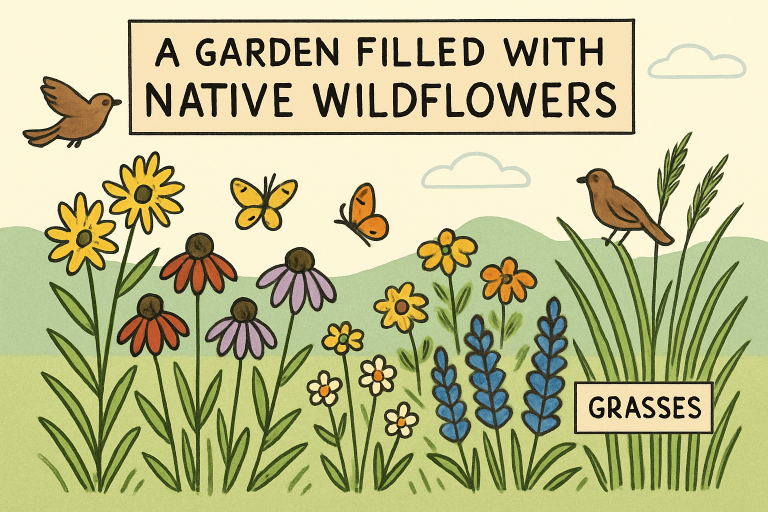
The most exciting stage of building a native garden is selecting the plants. Research what species naturally grow in your region for the best results. For those in the southeastern U.S., Purple Coneflower (Echinacea purpurea), Black-eyed Susan (Rudbeckia hirta), and Little Bluestem (Schizachyrium scoparium) are dependable, beautiful options. Always check plant tags or consult experts to ensure plants are truly local natives and suited to your light and soil conditions.
Soil Preparation and Planting
A thriving native garden begins with healthy soil. Test your soil to learn about its pH, drainage, and fertility. Remove all invasive weeds and amend the soil with compost if it lacks organic matter. Planting in autumn allows roots to get established before summer heat. Space your plants according to their mature size, as overcrowding can lead to unhealthy competition for resources.
Mulching for Success
Apply 2–3 inches of natural mulch after planting. This helps retain moisture, suppresses weeds, and slowly adds nutrients back to the soil as it decomposes, mimicking the natural forest floor.
Water Management Strategies
While native plants are inherently drought-tolerant, proper water management makes your garden even more sustainable. Group plants by their water needs to avoid over- or under-watering. Drought-prone areas benefit from deep-rooted prairie grasses and wildflowers, while a rain garden can capture runoff in wetter spots, supporting water-loving species.
Creative water-saving approaches, such as rain barrels or permeable pathways, can substantially reduce outdoor water use.
Attracting Pollinators and Wildlife
Native plant gardens are essential havens for pollinators and wildlife. Add a mix of flowers, grasses, and shrubs with varying bloom times to offer continuous nectar, pollen, and shelter. Include milkweed for monarch butterflies, host plants for caterpillars, and berry-bearing shrubs to feed birds.
Enhancing Wildlife Habitat
Small touches—such as leaving hollow stems over winter or adding a simple water feature—can greatly increase your garden’s appeal to beneficial critters. Birdhouses, bee hotels, and brush piles provide nesting and overwintering habitat.
Maintaining Your Native Garden
Once established, native gardens are low-maintenance but do require some seasonal care. Apply mulch every spring to discourage weeds. Prune shrubs and perennials as needed after flowering. Remove invasive plants and periodically thin or divide mature clumps to ensure robust growth and prevent crowding.
Benefits of Native Plant Gardening
Gardening with native plants yields powerful benefits: effortless beauty, reduced reliance on fertilizers and pesticides, and significant contributions to local biodiversity. Native gardens increase property value and offer a living lesson in local ecology for your family and community.
By creating a native plant garden, you establish a landscape that’s both resilient and teeming with life—proving that beautiful gardens and healthy ecosystems truly go hand in hand.
Conclusion
Cultivating a native plant garden is more than a landscaping choice—it’s an act of environmental stewardship that connects your home to the natural rhythms of your region. By selecting plants that are well-suited to your local climate and soil, you create a thriving, self-sustaining ecosystem that supports pollinators, conserves water, and reduces maintenance requirements.
Beyond their ecological value, native gardens bring dynamic beauty to any space, changing with the seasons and attracting vibrant wildlife year-round. With mindful planning, proper soil preparation, and consistent yet simple upkeep, your garden can flourish for decades while contributing to a healthier planet.
Ultimately, embracing native plants allows you to grow a landscape that’s both stunning and sustainable—one that celebrates nature’s resilience and enriches your outdoor space in the most rewarding way possible.