Table of Contents
- Introduction
- Lab-Grown Gemstones: Ethical and Eco-Friendly
- Recycled Metals: Reducing Environmental Impact
- Minimalist and Timeless Designs
- Transparency and Ethical Sourcing
- Eco-Friendly Production Processes
- Personalized and Custom Designs
- Conclusion
Introduction
As global awareness of environmental issues broadens, the jewelry industry is evolving to meet new standards in ethics and sustainability. Increasingly, buyers are actively seeking out brands and artisans that prioritize responsible sourcing and transparent business practices. Artisan jewelry is especially at the forefront, blending unique design with a conscious approach to both materials and production. This transformation is helping consumers express their values through jewelry that tells a meaningful story, in addition to being beautiful.
The move towards sustainable jewelry isn’t just about using eco-friendly materials—it also involves supporting fair labor practices and reducing the industry’s overall environmental impact. Whether it’s a classic ring or a modern necklace, today’s jewelry tells a tale of care, craft, and a commitment to the greater good. In this changing landscape, consumers are rewarding brands that embrace sustainability with their loyalty and advocacy.
Sustainability in jewelry now means more than just reclaimed gold or ethically sourced diamonds. It also involves mindful consumption, such as choosing versatile, minimalist pieces that retain their allure for years, rather than fleeting, trendy accessories. As these changes accelerate, both established luxury houses and independent makers are reimagining collections through a greener, more ethical lens.
Industry leaders are also leveraging transparency to strengthen buyer trust, using technology and honest marketing to prove their commitment to responsible practices. As this new era unfolds, jewelry is no longer just about adornment—it has become a conscious lifestyle choice.
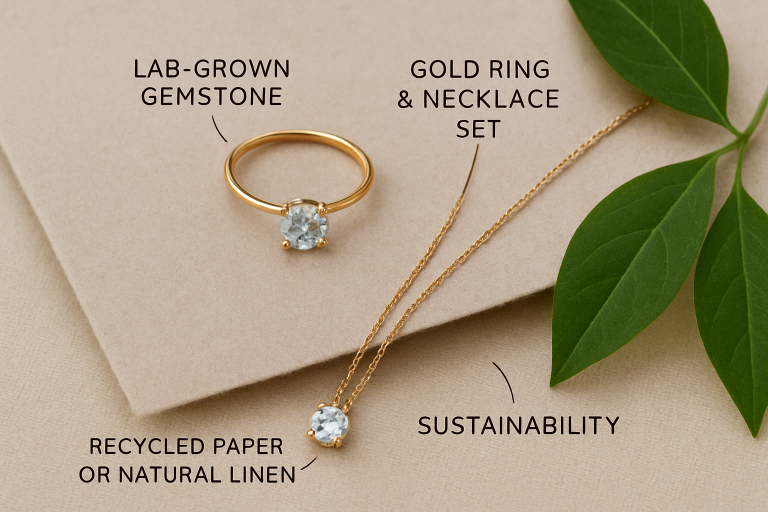
Lab-Grown Gemstones: Ethical and Eco-Friendly
One of the most significant advancements in sustainable jewelry is the rise of lab-grown diamonds and gemstones. Manufactured in state-of-the-art facilities, these stones have the same chemical and physical properties as their mined counterparts but are produced without disturbing ecosystems or exploiting workers. Consumers are rapidly embracing lab-grown gems not just for environmental reasons, but also for their price accessibility and the innovation they represent. Experts believe that by 2025, lab-grown gemstones will dominate mainstream jewelry collections, offering vibrant colors and various cuts that rival those excavated from the earth.
The move towards lab-grown options also reflects the growing unease with traditional mining processes, which have long been critiqued for their environmental and human rights repercussions. Many leading jewelers now offer certifications for their lab-grown gemstones, ensuring traceability and providing buyers with peace of mind. According to a Vogue article on lab-grown diamonds, these innovations are not only shaping consumer preferences but are also pushing traditional brands to reevaluate their legacy sourcing strategies.
Recycled Metals: Reducing Environmental Impact
Beyond gemstones, sustainable jewelry frequently features recycled precious metals—particularly gold, platinum, and silver. The refining and reuse of metals help minimize the need for new mining, an activity historically associated with significant ecological harm, including toxic runoff and deforestation. Forward-thinking jewelers are elevating recycled metals from a niche practice into a hallmark of responsible luxury, often documenting the origins and journey of the materials in their sales disclosures.
Minimalist and Timeless Designs
Another major trend in sustainable jewelry is the growing emphasis on minimalist aesthetics. Pieces featuring clean lines and understated elegance not only appeal to modern sensibilities but also offer longevity—an antidote to the rapid pace of fast fashion. Timeless designs crafted from high-quality, sustainable materials encourage repeat wear and sentimental value, thereby reducing the need for frequent replacements and the associated waste. As a reflection of their values, consumers increasingly favor jewelry that can be cherished for generations.
Transparency and Ethical Sourcing
Today’s shoppers want to know the origins of their jewelry and the ethics behind its creation. This push for transparency has led to the adoption of blockchain and other digital tools that provide complete traceability. Brands can now document every step in a piece’s development, from the mine or recycling facility to the workshop and finally to the buyer’s hands. This visibility reassures customers, ensuring that their purchases are free from conflict minerals and unethical practices.
Data-driven transparency standards are also motivating brands to demonstrate commitment beyond profit, instead building loyalty through openness and accountability.
Eco-Friendly Production Processes
Sustainable jewelry extends well beyond materials to include energy and resource use in manufacturing. Leading ateliers are now implementing renewable energy systems, water-saving techniques, and recycling initiatives within their production lines. Packaging also sees significant innovation, with a shift towards biodegradable, reusable, or recyclable options to further minimize waste. These steps collectively promote a holistic model of sustainable luxury, setting higher industry standards for environmental stewardship.
Personalized and Custom Designs
Technology is empowering a new wave of personalization in the jewelry industry. With advanced online platforms, customers can customize features—including metal types, gemstones, and engravings—for a made-to-order experience. This bespoke approach not only enhances consumer satisfaction but also reduces environmental impact by producing only what is needed, avoiding overproduction and unsold inventory. Personalized pieces strengthen connections, as each creation holds unique significance for the wearer.
Conclusion
The future of jewelry lies in a harmonious blend of ethics, eco-consciousness, and individuality. As the industry continues its journey toward sustainability, consumers and designers alike are finding inspiration in values-driven creativity and innovation. With more brands adopting transparent practices and responsible sourcing, jewelry is poised not just to adorn, but to make a lasting and positive impact on both people and the planet.