
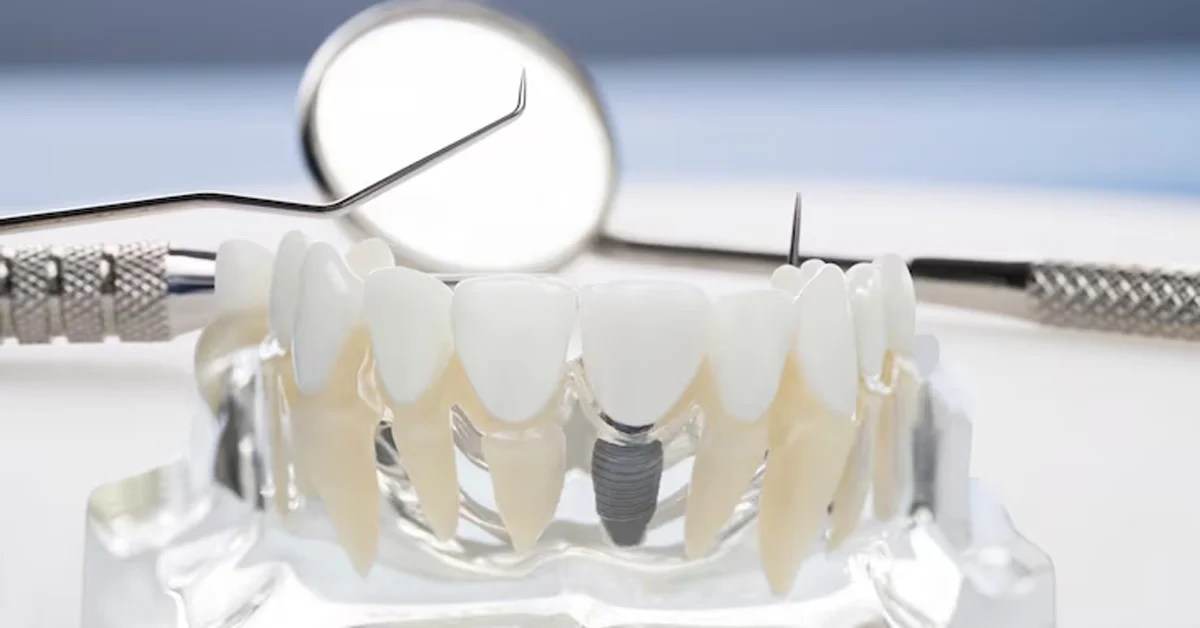
When it comes to restoring missing teeth, dental implants have revolutionized the field of dentistry. Among the various types of dental implants, the endosteal implant stands out as the most commonly used and highly effective solution for replacing lost teeth. Designed to provide durable, long-lasting support, endosteal implants help patients regain confident, healthy smiles and restore their ability to chew and speak properly.
In this article, we will explore what endosteal implants are, their benefits, the procedure involved, candidacy, maintenance tips, and why they are considered a durable dental solution for stronger smiles.
TRENDING
Effective Soft Tissue Mobilization Techniques For Faster Recovery
What Is An Endosteal Implant?
An endosteal implant is a type of dental implant that is surgically placed directly into the jawbone. The term “endosteal” means “within the bone.” These implants act as artificial tooth roots, providing a stable foundation for attaching replacement teeth such as crowns, bridges, or dentures.
Typically made from biocompatible materials like titanium, endosteal implants fuse naturally with the jawbone through a process called osseointegration, allowing them to function just like natural tooth roots.
Types of Endosteal Implants
There are several variations of endosteal implants, including:
Screw-type implants: These are the most common, shaped like small screws and inserted into the jawbone.
Cylinder-type implants: Smooth or slightly textured cylinders that fit into a drilled hole.
Blade-type implants: Thin, flat implants used when the jawbone is too narrow for screw implants.
Among these, screw-type endosteal implants are the preferred choice due to their superior stability and success rates.
Why Choose Endosteal Implants?
Endosteal implants have become the gold standard for dental tooth replacement because of the following advantages:
Durability and Longevity
Endosteal implants are known for their strength and durability. Once osseointegrated with the jawbone, they provide a robust anchor that can last for decades, often a lifetime, with proper care.
Natural Look and Feel
Because they integrate with the bone, endosteal implants offer excellent stability, enabling replacement teeth to look, feel, and function like natural teeth.
Preservation of Jawbone Health
When a tooth is lost, the jawbone in that area tends to resorb or shrink over time. Endosteal implants stimulate the bone, preventing deterioration and preserving facial structure.
Improved Oral Function
Patients with endosteal implants can chew food effectively without worrying about slipping or discomfort common with traditional dentures.
Better Speech
Unlike removable dentures, endosteal implants allow for clearer speech without the worry of the prosthesis moving.
The Endosteal Implant Procedure: Step-By-Step
The process of getting an endosteal implant involves multiple stages and careful planning by your dental specialist.
Step 1: Initial Consultation and Examination
During the first visit, the dentist or oral surgeon conducts a thorough oral examination, including X-rays or 3D imaging, to assess bone density, location, and suitability for implants.
Step 2: Treatment Planning
A customized treatment plan is created based on the patient’s dental condition, overall health, and aesthetic goals. In some cases, bone grafting might be necessary if there is insufficient bone to support the implant.
Step 3: Implant Placement Surgery
Under local anesthesia, the surgeon makes a small incision in the gum to expose the jawbone and drills a precise hole to place the implant screw or cylinder into the bone. The gums are then stitched back.
Step 4: Healing and Osseointegration
This phase can take several weeks to months. The implant fuses with the bone, forming a stable base for the prosthetic tooth.
Step 5: Abutment Placement
Once healing is complete, a small connector called an abutment is attached to the implant. This will hold the replacement tooth.
Step 6: Attachment of Prosthetic Tooth
Finally, the dentist places a custom-made crown, bridge, or denture onto the abutment, completing the restoration.
Who Is A Candidate For Endosteal Implants?
Not everyone qualifies for endosteal implants immediately. Ideal candidates should have:
Healthy gums free of periodontal disease.
Adequate jawbone density to support the implant.
Good overall health, including controlled chronic conditions such as diabetes.
Non-smokers or willingness to quit smoking.
Commitment to oral hygiene and regular dental visits.
In cases of insufficient bone, bone grafts or sinus lifts may be performed to create a stable foundation.
Maintaining Your Endosteal Implant For Long-Term Success
After the procedure, proper care is essential to ensure the implant’s longevity. Here are some tips:
Maintain good oral hygiene by brushing twice a day and flossing daily.
Use an antimicrobial mouthwash to reduce bacteria around the implant.
Avoid smoking and limit alcohol consumption, as these can affect healing.
Visit your dentist regularly for professional cleanings and check-ups.
Avoid biting on hard objects or foods that can damage the implant or crown.
Potential Risks And Complications
Like any surgical procedure, endosteal implants carry some risks, although they are generally low:
Infection at the implant site.
Injury to surrounding nerves or sinus cavities.
Implant failure if osseointegration does not occur.
Peri-implantitis, an inflammatory condition affecting the tissue around the implant.
Choosing an experienced dental specialist and following post-operative instructions significantly reduces these risks.
How Do Endosteal Implants Compare To Other Dental Solutions?
Endosteal Implants vs. Subperiosteal Implants
Endosteal implants are placed within the bone and require sufficient bone for success.
Subperiosteal implants rest on top of the jawbone but beneath the gum tissue, used when bone is insufficient.
Endosteal Implants vs. Dentures
Dentures are removable and may shift or cause discomfort.
Endosteal implants offer permanent, stable solutions that feel natural.
Endosteal Implants vs. Bridges
Bridges rely on adjacent teeth for support and may compromise healthy teeth.
Implants are standalone and preserve neighboring teeth integrity.
Cost Considerations For Endosteal Implants
While the initial cost of endosteal implants is higher than traditional dentures or bridges, they are a cost-effective investment over time due to their durability and fewer replacements. The total cost varies depending on:
Number of implants needed.
Need for additional procedures (bone grafting, sinus lift).
Type of restoration (crown, bridge, denture).
Geographic location and dental provider expertise.
Most dental offices offer financing options to make treatment more affordable.
Conclusion
Endosteal implants provide a reliable, durable, and natural-looking solution for tooth replacement. By mimicking natural tooth roots and integrating with the jawbone, they restore not only the appearance of the smile but also function and oral health.
With proper care and professional guidance, endosteal implants can last a lifetime, empowering patients with stronger, healthier, and more confident smiles.
ALSO READ: Affordable Jawline Surgery Cost: What To Expect In 2025
FAQs
What is an endosteal implant?
An endosteal implant is a dental implant placed directly into the jawbone to serve as an artificial tooth root. It supports replacement teeth such as crowns, bridges, or dentures, offering a durable and natural solution for missing teeth.
How long does the endosteal implant procedure take?
The entire process can take several months, including initial consultation, implant placement, healing, and final restoration. Healing and osseointegration typically take 3 to 6 months.
Are endosteal implants painful?
The implant placement surgery is performed under local anesthesia, so patients feel minimal discomfort during the procedure. Some soreness and swelling afterward are common but manageable with medication.
Can anyone get endosteal implants?
Most healthy adults with sufficient jawbone and healthy gums can be candidates. Certain medical conditions or insufficient bone may require additional treatments or alternative options.
How do I care for my endosteal implant?
Good oral hygiene, including brushing, flossing, and regular dental visits, is essential. Avoid smoking and excessive alcohol to promote long-term implant health.