Modern content creation no longer requires a full studio or heavy equipment. Whether you’re a travel vlogger, documentary filmmaker, or casual content creator, the ability to shoot high-quality video while on the move has become more accessible than ever.
That said, good video isn’t just about having a smartphone with a decent camera. To produce smooth, professional-looking footage and clear audio outside the studio, you need the right mobile gear. In this post, we’ll explore three essential tools for mobile filmmaking: the gimbal, the phone gimbal, and the wireless lapel microphone. We’ll also cover a few best practices to help you make the most of them.
Why Smooth Footage Matters?
It’s easy to spot shaky, handheld video. It distracts viewers and can lower the perceived quality of your content. That’s why stabilization is one of the most important factors in mobile video production. Whether you’re walking, following a subject, or capturing action, you’ll need support to maintain steady footage.
This is where gimbals come in.
What Is a Gimbal and Why Do You Need One?
A gimbal is a mechanical stabilizer that uses motors and sensors to help your camera (or phone) stay level while you move. It works by counteracting unwanted motion on three axes: tilt, pan, and roll. This means you can walk, move, or even run while holding your camera, and your footage will still look smooth.
Key Benefits:
- Removes handshake and bounce from your footage
- Enables dynamic camera movement without jerky transitions
- Supports heavier gear (like DSLR cameras or mirrorless systems)
If you film with a traditional camera, a full-size gimbal is ideal. However, if you shoot primarily on a smartphone, there’s a more portable solution.
The Role of a Phone Gimbal in Mobile Filmmaking
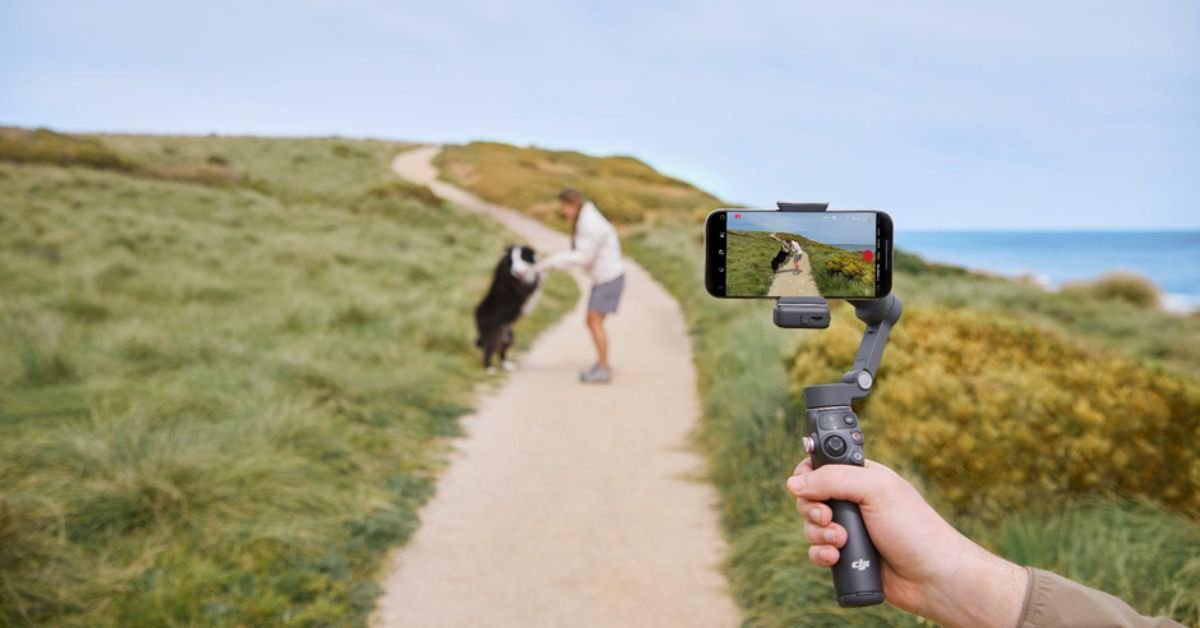
A phone gimbal is designed specifically for smartphones and offers many of the same stabilization features as full-size gimbals, but in a lighter, more compact format.
Phone gimbals are excellent for vloggers, social media creators, and mobile journalists. They help you capture professional-looking shots while walking, panning, or even tracking moving subjects. Many modern phone gimbals also come with smart features like face tracking, object tracking, hyper-lapse, and motion time-lapse modes.
Key Features to Look For:
- 3-axis stabilization
- Foldable design for portability
- Built-in controls for zoom, record, and mode switching
- App integration for advanced shooting modes
With a phone gimbal, you can achieve cinematic motion and clean framing even in unpredictable environments. It’s one of the best investments for anyone creating video content with a smartphone.
Clear Audio on the Move: Why You Need a Wireless Lapel Microphone
If video quality is the first thing your audience notices, audio is what keeps them watching. Poor sound—like wind noise, muffled speech, or distant voices—can make your video hard to follow, no matter how beautiful the footage looks.
A wireless lapel microphone is the most practical way to capture clear voice audio during mobile shoots. Also called a lavalier mic, it clips onto your shirt or collar and sits close to your mouth. The wireless connection allows you to move freely without cables, which is especially useful for interviews, walking talks, or active shoots.
Benefits of a Wireless Lapel Mic:
- Consistent, clear audio without background noise
- Freedom of movement for you or your subject
- Compact and discreet design that’s easy to wear
Some wireless systems include dual mics for two-person interviews, while others are plug-and-play for smartphones—making setup fast and painless.
Building a Simple Mobile Video Kit
For creators who film outdoors or while traveling, keeping things lightweight and efficient is key. A simple yet powerful mobile kit might include:
- Phone gimbal for smooth video on the go
- Wireless lapel microphone for professional audio
- Mini tripod or grip stand for stable stationary shots
- Portable LED light for low-light conditions
- Backup power bank for long recording days
This combination gives you control over the two most important elements of video—visual stability and audio clarity—without needing bulky or expensive gear.
FAQs
1. Do I need both a gimbal and a phone gimbal?
Not necessarily. If you’re filming with a DSLR or mirrorless camera, a standard gimbal is essential. If your primary recording device is a smartphone, a phone gimbal is the better choice. You only need both if you switch between camera and phone setups often.
2. Can I use a wireless lapel microphone with my phone?
Yes. Many modern wireless lapel microphones are designed to work with smartphones. Some connect via USB-C or Lightning ports, while others use a small receiver that plugs into your phone’s audio jack. Always check compatibility before purchasing.
3. How long do gimbals and wireless mics last on a full charge?
Battery life varies by model, but most gimbals last between 8 to 12 hours. Wireless lapel microphones usually last 4 to 8 hours, depending on the brand. It’s a good idea to keep backup batteries or a power bank with you during longer shoots.
4. What’s the best way to improve outdoor audio?
Using a wireless lapel microphone with a windscreen is the best option. If you’re in a particularly noisy area, try to record in less exposed spots (like near walls or trees) and monitor your audio in real time using headphones.
Final Thoughts
Creating professional video content while on the move is easier than ever—but it still requires smart gear choices. A gimbal helps keep your shots steady. A phone gimbal is the best solution for smartphone filmmakers who want smooth, cinematic footage in a compact setup. And a wireless lapel microphone delivers clear, consistent audio without the hassle of cables or studio mics.
These tools make it possible to shoot anywhere, anytime, without sacrificing quality. Whether you’re walking through a busy city or hiking up a mountain trail, your video will look stable, sound great, and feel professional. If you’re serious about mobile content creation, investing in the right gear is the first step toward producing videos that stand out.