
What Is a Growth Mindset?
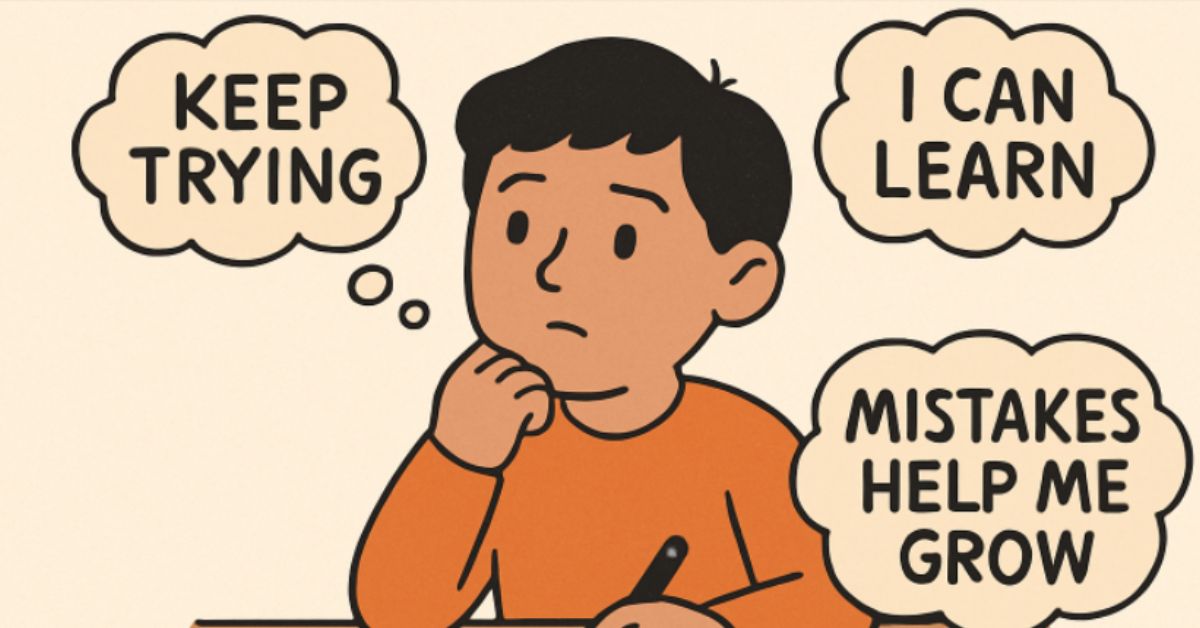
A growth mindset, popularized by psychologist Carol Dweck, holds that intelligence and abilities are not fixed but can be developed through effort, learning, and perseverance. Unlike a fixed mindset, which sees talents as innate and unchangeable, embracing a growth mindset in the classroom involves teaching students that obstacles are part of learning and that each challenge leads to mastery.
Emphasizing this belief is especially valuable for institutions like a public charter school in Sandy, Utah, where fostering resilience and adaptability equips students for success in both academics and life. Evidence shows that learners who internalize growth mindset principles are more motivated, display greater persistence, and demonstrate a higher willingness to take on new challenges.
Why Growth Mindset Matters in K-8 Education
The growth mindset is crucial for a child’s academic self-concept, as it encourages engagement with learning materials and resilience in the face of setbacks. Early development of this mindset empowers students to embrace feedback, recover from disappointment, and explore new strategies without fear. Research by the American Psychological Association shows that adopting growth mindset interventions in elementary and middle schools can lead to significant improvements in student grades and greater openness to overcoming challenges, impacting both academic progress and social-emotional well-being.
Essential Strategies for Teachers
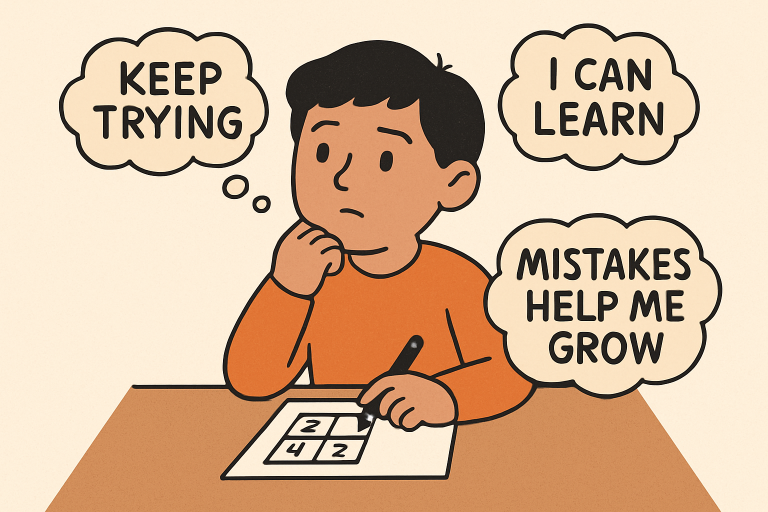
- Reframe Mistakes: Transforming mistakes into learning opportunities is key. Have open discussions about setbacks, highlighting what went well and what can be improved. This cultivates an attitude that values growth over perfection.
- Specific Praise: Replace generic compliments like “You’re so smart” with targeted praise such as “Your effort in solving that problem really paid off.” Focusing on the process helps students understand which behaviors and strategies led to progress.
- Model Growth Mindset: Teachers who vulnerably share their learning journeys, including times they overcame obstacles, serve as powerful role models for students. This normalizes challenges and boosts classroom morale.
- Classroom Displays: Visual cues, such as posters about learning from mistakes or celebrating effort, reinforce the values of a growth mindset throughout the learning environment.
Role of Parents and Caregivers
Parents and caregivers are integral partners in sustaining a growth mindset beyond the classroom. Small home rituals, such as discussing “hard things I did today” during dinner, or encouraging consistent effort in music, sports, or other hobbies, send powerful messages about the rewards of persistence. Shifting from comments like “You’re a natural at math” to “You worked really hard to solve that” encourages children to value dedication over innate ability.
Addressing Common Challenges
Adopting a growth mindset in school culture can be challenging, especially for students who are accustomed to immediate success or fear of failure. To overcome this, collaborative activities, scaffolded goals, and open communication about struggles can be used. Teachers should also remain patient and persistent, as the process unfolds over time. Celebrating perseverance and openly discussing struggles can help sustain momentum even through setbacks.
Data-Backed Results: What the Research Shows
An expanding pool of academic research underscores the measurable advantages of growth mindset interventions. Studies demonstrate that classrooms emphasizing effort-based feedback and a positive approach to challenges report higher student engagement and better learning outcomes. According to Edutopia, institutions that adopt growth mindset practices see long-term benefits in both academic performance and social skills, paving the way for lifelong success.
Incorporating Growth Mindset Throughout the Curriculum
- Goal-Setting Discussions: At the start of each semester, facilitate conversations that focus on learning targets rather than rewards or grades. Students become more invested in their own progress when they help define it.
- Reflective Journaling: Encouraging students to keep journals where they record clarifying moments, hurdles, and emotional responses to learning helps them recognize their own growth and patterns over time.
- Project-Based Learning: When success is framed as a product of revision and perseverance, students are less likely to view initial difficulty as failure and more as a natural part of achieving mastery.
- Celebrate Progress: Regularly acknowledge all types of advancement—be it mastering a new reading level or showing improved teamwork—through classroom shout-outs, certificates, or public displays. This reinforces the value of effort and improvement.
These strategies can be seamlessly woven into any curriculum, strengthening not just academic knowledge but also confidence, adaptability, and a positive attitude toward future challenges.
Future Outlook: Lifelong Impact of Growth Mindset
The growth mindset in early education is crucial for success beyond the classroom, as it fosters adaptability and continuous learning in students. This approach helps them navigate innovation and change confidently. Collaboration among teachers, parents, and educational communities is essential for meaningful education reform. Edutopia’s coverage of teaching growth mindset in practice highlights innovative schools’ implementation of these principles.