
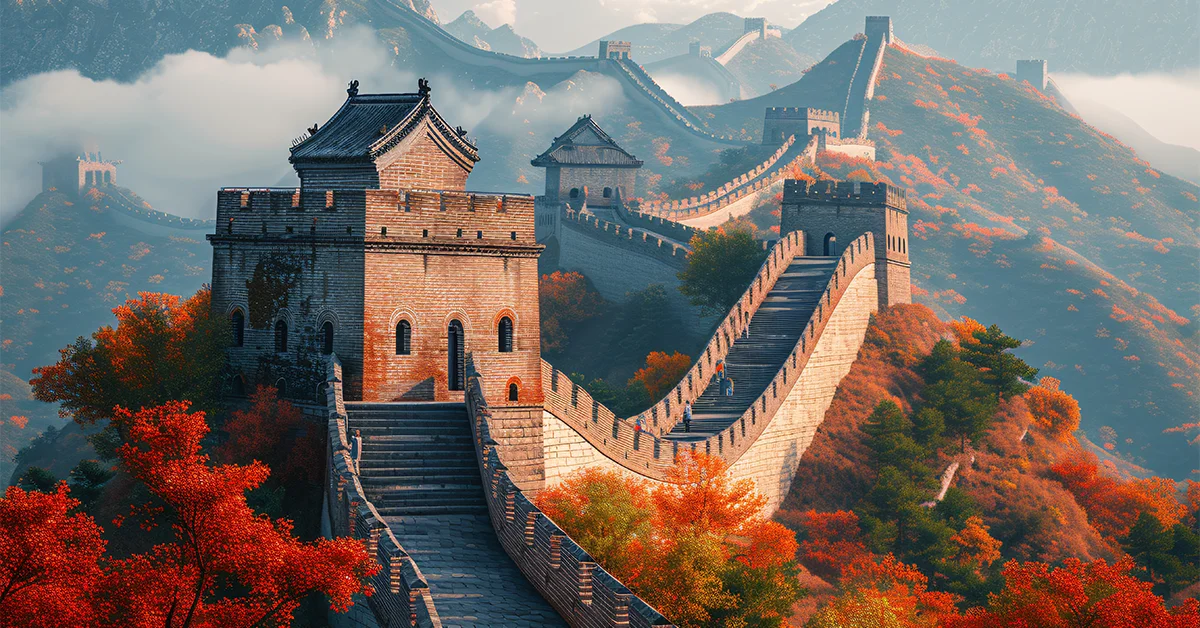
The Great Wall of China is more than just an iconic landmark — it’s a symbol of resilience, ingenuity, and the rich cultural tapestry of one of the world’s oldest civilizations. Stretching over 13,000 miles, this architectural marvel has captured the imagination of travelers, historians, and artists for centuries. Whether you’re planning a trip to China or simply fascinated by history, understanding the Great Wall Chinese story gives a window into the nation’s past, its culture, and its enduring legacy.
TRENDING
Why A Smoke Buddy Is The Ultimate Tool For Discreet Smoking
The Origins Of The Great Wall
The origins of the Great Wall trace back over 2,500 years to the Warring States period (475–221 BCE). During this time, regional Chinese kingdoms constructed walls to protect themselves from invasions by northern tribes. These early structures were built using earth, wood, and stones. When the first Emperor of China, Qin Shi Huang, unified the country in 221 BCE, he connected several of these walls to create a more formidable barrier.
Construction continued over centuries, especially during the Ming Dynasty (1368–1644), when brick and stone replaced earlier materials to enhance durability. Today’s most famous sections of the wall are from this era, standing as a testament to the ingenuity and perseverance of the Chinese people.
Architectural Marvels
The Great Wall isn’t just one continuous structure; it’s a network of walls, watchtowers, and fortresses that winds through mountains, deserts, and plains. Some notable features include:
- Watchtowers: These served as lookout points and signal stations using smoke, fire, or flags. They allowed for rapid communication over vast distances.
- Fortresses and Barracks: Strategic strongholds along the wall housed soldiers and provided supplies during times of conflict.
- Beacons and Signal Fires: A clever communication system that enabled messages to travel hundreds of miles in hours.
This combination of functionality and aesthetic design makes the Great Wall a unique blend of military architecture and cultural artistry.
Cultural Significance
The Great Wall isn’t just an architectural feat; it’s a cultural emblem. It represents Chinese perseverance, defense, and unity. For centuries, the wall served as a symbol of strength and protection for the people of China. It also inspired countless poems, paintings, and literary works, reflecting the admiration and respect it commanded throughout history.
Moreover, the wall embodies the connection between the past and present. Modern China celebrates it as a national treasure, a reminder of the country’s rich history and cultural heritage.
The Wall And The People
Life along the Great Wall wasn’t easy. Soldiers stationed there faced harsh climates, long marches, and limited supplies. Villages grew around certain sections, supporting the military with food, tools, and other essentials. This interplay between the military and civilian life helped forge communities and traditions that still echo in local cultures today.
Tourism And Global Recognition
Today, the Great Wall of China is one of the world’s most visited landmarks. Popular sections like Badaling, Mutianyu, and Jinshanling offer travelers breathtaking views and insights into ancient Chinese engineering. Visiting the wall provides not just a visual experience but also a cultural journey — from understanding the historical context to appreciating the dedication required to build such a monumental structure.
The Great Wall was designated a UNESCO World Heritage Site in 1987, cementing its status as a globally recognized symbol of human achievement and cultural heritage.
Modern Preservation Efforts
Preserving the Great Wall is a monumental task. Over centuries, natural erosion, human activity, and urban expansion have taken a toll. Chinese authorities and international organizations are actively involved in conservation efforts, including:
- Reinforcing weakened sections with traditional materials.
- Limiting tourist access to fragile areas.
- Raising awareness about responsible tourism.
These efforts ensure that future generations can continue to marvel at and learn from this extraordinary historical artifact.
Lessons From The Great Wall
The Great Wall teaches us timeless lessons about vision, perseverance, and collaboration. Its construction required coordination across vast distances, mobilization of countless workers, and enduring commitment over decades. It reminds us that monumental achievements often come from collective effort and shared determination.
Conclusion
The Great Wall Chinese legacy is more than bricks and mortar — it’s a story of human resilience, cultural identity, and historical significance. From its ancient origins to modern preservation, the wall continues to inspire awe and respect worldwide. Whether you explore it in person or study its history, the Great Wall remains a powerful symbol of China’s enduring spirit and cultural heritage.
ALSO READ: Can Chickens Eat Grapes? A Safe Treat Or Risky Snack?
FAQs
What is the Great Wall of China?
The Great Wall of China is an ancient series of walls, watchtowers, and fortresses built to protect China from invasions. It stretches over 13,000 miles and is a symbol of Chinese history and culture.
When was the Great Wall built?
Construction started during the Warring States period (475–221 BCE) and continued over several dynasties, with the most famous sections built during the Ming Dynasty (1368–1644).
Can visitors walk along the Great Wall?
Yes, popular sections like Badaling, Mutianyu, and Jinshanling are open to tourists and provide safe, well-maintained walking paths.
Why is the Great Wall considered culturally significant?
It represents Chinese perseverance, unity, and defense. It also inspired countless works of art, literature, and folklore throughout Chinese history.
How is the Great Wall preserved today?
Authorities reinforce weakened sections, regulate tourist access, and conduct restoration projects using traditional materials to maintain its historical integrity.