
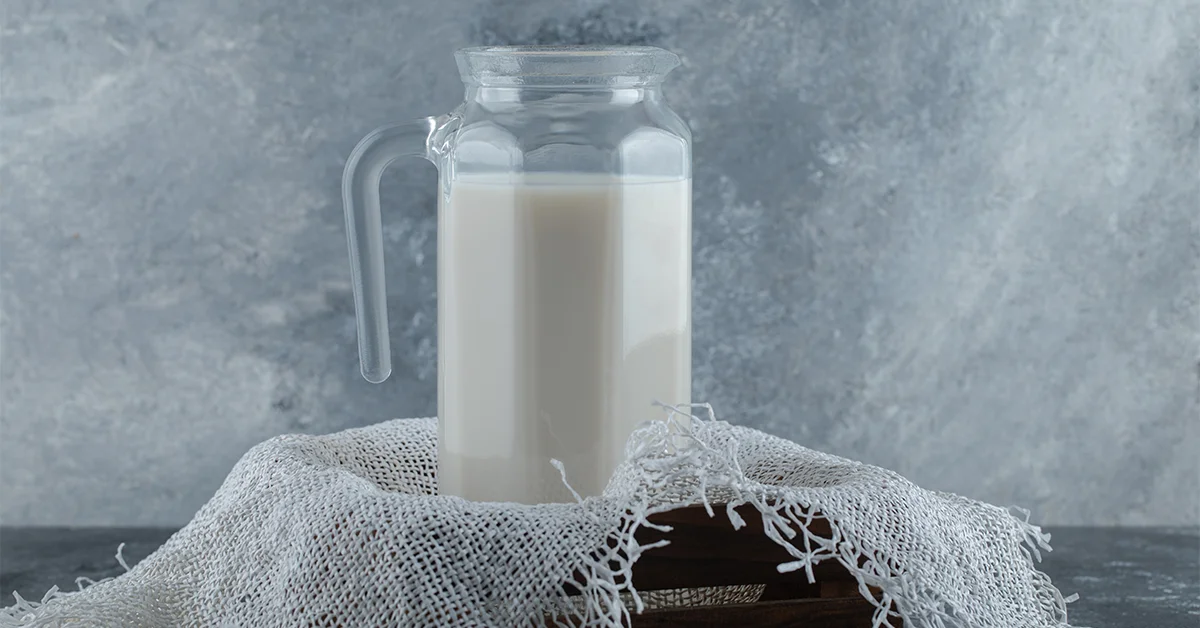
If you’ve been keeping an eye on the dairy world lately, you might have noticed a phrase popping up again and again: high lipase milk. It’s been making waves among breastfeeding moms, dairy producers, and nutrition enthusiasts alike. Some call it a game-changer, others a frustration — but what exactly is behind all the talk?
The truth is, high lipase milk’s isn’t a new discovery, but it’s gaining renewed attention as more people explore the science behind milk composition, storage, and taste. Whether you’re a parent pumping and storing breast milk or someone curious about dairy production, understanding high lipase milk’s can help you make sense of its pros, cons, and the hype it’s generating across communities.
Let’s dive deep into what high lipase milk’s really is, why it’s stirring debate in the dairy world, and what you can actually do about it.
TRENDING
Whispers Las Vegas: Unveiling The City’s Hidden Stories
What Is High Lipase Milk?
In simple terms, high lipase milk refers to milk that has an increased level of the enzyme lipase. Lipase is naturally present in both human and cow’s milk — its job is to break down fat molecules into fatty acids and glycerol, making it easier for the body to digest and absorb nutrients.
The key here is balance. Normally, lipase does its job quietly and efficiently. But when lipase activity is higher than usual, it can cause the milk’s fat to break down more quickly. This leads to a distinct, sometimes unpleasant taste or smell — often described as soapy, metallic, or rancid.
So, while the milk is still perfectly safe and nutritious, it might not taste or smell appealing, especially after being stored for a while.
Why Lipase Matters In Milk
Lipase isn’t a bad thing — in fact, it’s essential. It helps infants digest milk fat, supports healthy brain development, and aids in nutrient absorption. In dairy production, controlled lipase activity even helps develop flavor in certain cheeses like blue cheese and Parmesan.
However, when lipase activity becomes too high, problems arise. In human breast milk, for example, moms who pump and store milk often notice that the taste changes after refrigeration or freezing. This can lead to babies refusing the milk, even though it’s completely fine to drink.
In commercial dairy, high lipase levels can affect the flavor profile of milk and dairy products, making quality control a real challenge for producers.
The Science Behind High Lipase Activity
Lipase activity can vary widely depending on several factors, including:
- Genetics: Some women naturally produce milk with higher lipase levels.
- Diet: A mother’s diet can subtly influence milk composition, including enzyme activity.
- Storage Conditions: The longer milk is stored, especially in cold conditions, the more lipase continues to act on fat.
- Processing Methods: In cow’s milk, raw milk and improperly pasteurized milk can show higher lipase activity compared to fully pasteurized milk.
Essentially, lipase is a hardworking enzyme that doesn’t stop just because milk has been refrigerated or frozen. Its ongoing activity is what leads to the distinct taste changes associated with high lipase milk’s.
High Lipase In Breast Milk: A Common Concern
Among breastfeeding mothers, discovering that their expressed milk smells or tastes “off” can be alarming. Many describe the milk as smelling soapy or even rancid, leading to worries that it has spoiled.
The good news is that this milk is still safe and nutritious for the baby — the taste change is purely due to lipase breaking down fat molecules.
How To Manage High Lipase Breast Milk
If you suspect your breast milk has high lipase activity, here are a few practical tips to help:
Scald the Milk Before Storage:
Heat freshly expressed milk to about 180°F (82°C) — just until small bubbles form around the edges — then quickly cool it before freezing. This process inactivates the lipase enzyme.
Use Fresh Milk Promptly:
If possible, feed freshly expressed milk within 24 hours to minimize lipase activity.
Mix Milk Batches:
Combine small amounts of freshly pumped milk with previously frozen milk to balance out the taste.
Experiment with Storage Times:
Some mothers find their milk changes taste after only a few hours, while others notice it after days. Learning your milk’s timeline helps you plan accordingly.
Don’t Panic:
Remember, even if your milk smells strange, it’s not spoiled — it just tastes different due to high lipase.
High Lipase In Cow’s Milk And Dairy Products
In the commercial dairy industry, lipase activity also plays a key role in determining product flavor and quality. Controlled lipase activity is beneficial for developing complex cheese flavors. However, uncontrolled lipase activity in milk can lead to off-flavors, which consumers may interpret as spoilage.
Causes of High Lipase in Dairy Milk
- Poor Handling or Processing: Improper pasteurization or handling can cause enzymes to remain active.
- Bacterial Contamination: Certain bacteria can release lipase, increasing enzyme activity in milk.
- Storage Time and Temperature: The longer milk is stored at suboptimal temperatures, the more likely it is to develop high lipase characteristics.
In response, many dairy companies closely monitor and test enzyme activity to maintain consistent taste and quality across their products.
The Controversy: Why High Lipase Milk Is Stirring Debate
So why all the fuss about high lipase milk? It’s because opinions vary widely depending on who you ask.
- Mothers and Parents: For breastfeeding moms, high lipase milk’s can be frustrating, especially when their babies refuse the milk they worked hard to pump and store. It raises questions about how to preserve nutrition without losing palatability.
- Nutrition Experts: Many see lipase as beneficial, emphasizing that the enzyme enhances fat digestion and nutrient absorption.
- Dairy Producers: In the commercial sector, high lipase activity is both a challenge and an opportunity — too much can ruin milk flavor, but the right amount adds richness to aged cheeses.
In essence, high lipase milk’s sits at the intersection of science, nutrition, and perception. What’s a problem for one group might be a blessing for another.
How To Tell If You Have High Lipase Milk
If you’re wondering whether your milk (especially breast milk) has high lipase, there are a few simple ways to tell:
Taste Test:
Freshly expressed milk tastes sweet and creamy. If, after a few hours of refrigeration, it develops a metallic, soapy, or rancid taste, lipase is likely the cause.
Smell Test:
Take a small sample of stored milk and smell it. If it smells soapy, fishy, or like old cooking oil, lipase activity may be high.
Baby’s Reaction:
Some babies refuse milk that has developed strong flavors. This can also be a sign of elevated lipase activity.
If you notice these signs consistently, you probably have high lipase milk’s — and that’s okay! There are ways to manage it without losing nutritional quality.
The Pros And Cons Of High Lipase Milk
Let’s take a closer look at the advantages and disadvantages of high lipase milk:
Pros
- Enhanced Fat Digestion: Lipase helps break down fats, aiding digestion and nutrient absorption.
- Nutrient Availability: Fatty acids released by lipase are beneficial for brain and nerve development.
- Flavor Development in Cheese: Controlled lipase levels create complex, desirable cheese flavors.
Cons
- Unpleasant Taste or Odor: Milk can develop a soapy or metallic flavor, especially after storage.
- Feeding Challenges: Some infants or consumers may reject the taste.
- Dairy Quality Control Issues: Inconsistent lipase activity can affect product uniformity and consumer satisfaction.
Myths And Misunderstandings About High Lipase Milk
There’s plenty of misinformation floating around about high lipase milk. Let’s clear a few things up:
- High lipase milk is spoiled.
False. It only smells or tastes different due to enzyme activity — it’s still safe and nutritious. - Lipase can be removed completely.
Not true. You can inactivate it (by scalding) but not eliminate it entirely — and you wouldn’t want to, since it’s beneficial. - Only a few mothers experience it.
Actually, many women produce milk with naturally high lipase levels. It’s just not widely discussed. - Lipase-free milk is better.
Not necessarily. Lipase plays an important role in digestion and development, so removing it entirely isn’t ideal.
How The Dairy Industry Is Responding
Dairy producers are investing in better enzyme monitoring systems to ensure quality control. New technologies can measure lipase activity and predict flavor outcomes before milk hits the market.
Additionally, consumer education has become a big focus. As awareness grows about natural enzymes in milk, consumers are learning to differentiate between spoilage and natural biochemical changes.
Some dairy innovators are even exploring ways to harness lipase more effectively — using it to enhance the nutritional and flavor profiles of premium dairy products.
The Future Of High Lipase Milk
High lipase milk has sparked important conversations about how we understand and value natural food chemistry. As science advances, we’re beginning to appreciate that enzymes like lipase aren’t problems to solve — they’re natural tools that can be managed and even celebrated.
In the coming years, we may see specialized products designed around controlled lipase activity — from enzyme-balanced baby milk to artisanal dairy products with complex, lipase-driven flavors.
What’s clear is that the discussion around high lipase milk is reshaping how we think about milk itself — not just as a drink, but as a living, dynamic substance that reflects biology, chemistry, and care.
Conclusion
High lipase milk may have a controversial reputation, but it’s a fascinating example of how nature’s processes work in harmony — and sometimes, a little too well. Whether you’re a breastfeeding mom trying to store milk safely or a dairy lover curious about flavor chemistry, understanding high lipase milk’s offers valuable insight into the science behind every glass.
The key takeaway? High lipase milk’s isn’t bad — it’s just different. With the right knowledge and a few smart techniques, you can manage, appreciate, and even make the most of it.
ALSO READ: Spring Water vs Purified Water: Which Is The Healthier Choice?
FAQs
What is high lipase milk?
High lipase milk’s is milk that contains higher-than-usual levels of the enzyme lipase, which breaks down fat. This can cause the milk to develop a soapy or metallic taste over time, especially during storage, though it remains safe and nutritious.
Is high lipase milk safe for babies?
Yes, high lipase milk is completely safe for babies. The change in taste is due to natural enzyme activity, not spoilage. Some babies may be sensitive to the taste, but the milk’s nutritional quality remains intact.
How can I prevent my milk from tasting soapy?
You can scald freshly pumped milk before freezing it. Heating the milk to about 180°F (82°C) inactivates the lipase enzyme and prevents the taste change during storage.
Does high lipase milk affect dairy products?
In commercial dairy, lipase activity can influence flavor development. While too much can cause off-flavors in milk, controlled lipase activity enhances the taste of certain cheeses.
Can diet affect lipase levels in breast milk?
A mother’s diet can influence the overall composition of her milk, but lipase levels are mostly determined by genetics and biological factors rather than specific foods.