
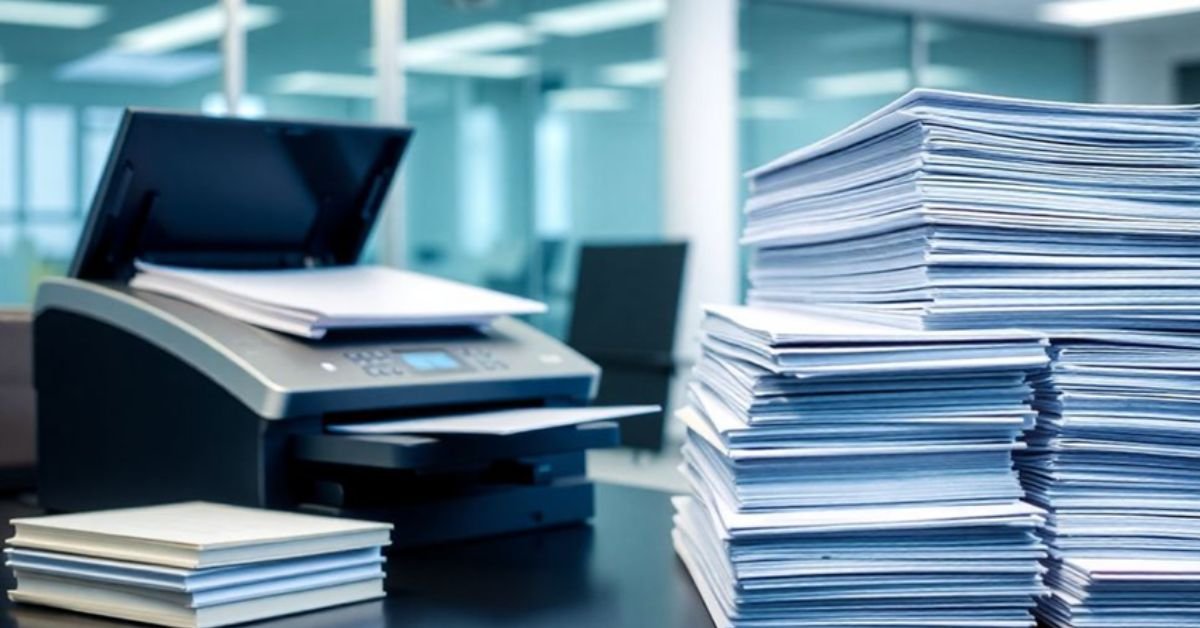
Businesses today are always looking for ways to work smarter, not harder. Paperwork scanning services offer a direct path to making operations smoother and faster. Think about how much time is spent just looking for a single piece of paper in a filing cabinet. It’s a lot, right? Digitizing documents means those days are over.
Enhance Workflow Efficiency
When your documents are digital, finding what you need takes seconds, not minutes or hours. This instant access means your team can move on to the next task without delay. Paperwork scanning services transform how work gets done, making processes flow much better. It’s about cutting out the busywork so people can focus on actual work.
Reduce Manual Data Entry
Manual data entry is a huge time sink and prone to errors. With advanced scanning technologies like OCR (Optical Character Recognition), much of this data can be extracted automatically. This means fewer mistakes and less time spent typing. It’s a big win for accuracy and speed.
Boost Productivity Through Instant Access
Imagine your entire company’s important documents, from invoices to client contracts, available at your fingertips. This immediate access to information means quicker decision-making and faster responses to clients. Document digitization really does make a difference in how productive everyone can be.
Unlock Significant Cost Savings with Document Digitization
Businesses often underestimate the cumulative costs associated with managing physical paper. From the recurring expense of printing and supplies to the hidden costs of manual filing and retrieval, paper-based processes can quietly drain company resources. Document digitization offers a clear path to reducing these expenditures.
Minimize Labor Costs Associated with Paper Management
Think about the hours your staff spends each week searching for documents, filing new paperwork, or manually entering data from paper forms. These are necessary tasks, but they don’t directly contribute to revenue. By converting paper to digital formats, you drastically cut down on the time employees dedicate to these administrative duties. This means less money spent on labor for tasks that can be automated or significantly sped up through digital access. The cost savings from reduced manual data entry alone can be substantial.
Reduce Expenses from Physical Storage
Physical storage, whether it’s filing cabinets within your office or rented off-site storage units, comes with a price tag. Beyond the initial purchase of cabinets, there are costs for space, maintenance, and the time employees spend organizing and retrieving documents from these locations. Digitizing your paperwork eliminates the need for extensive physical storage, freeing up both space and budget. This means no more paying for extra office space just to house old files or renting expensive storage units. The savings from document digitization can be redirected to more productive business activities.
Lower Costs of Printing and Supplies
Every piece of paper printed, copied, or filed represents an ongoing cost for ink, toner, paper, folders, and even shredding services for disposal. When you transition to a digital workflow, these expenses diminish significantly. While some printing may still be necessary, the overall reliance on paper is drastically reduced. This not only saves money on consumables but also contributes to a more environmentally friendly business practice. The reduction in printing and supply costs is a direct and immediate financial benefit of embracing document scanning services.
Reclaim Valuable Office Space
Is your office feeling a bit cramped? Chances are, a good portion of that space is taken up by filing cabinets and stacks of paper. Businesses often find themselves dedicating significant square footage to storing documents, some of which might only be needed occasionally. This physical footprint not only makes the office feel cluttered but also represents a cost, whether it’s rent for extra rooms or fees for off-site storage units.
Eliminate Clutter from Filing Cabinets
Paperwork scanning services directly address the issue of physical clutter. By converting paper documents into digital files, businesses can significantly reduce the need for bulky filing cabinets. Imagine clearing out entire rows of cabinets, freeing up floor space and making your office environment more open and organized. This process transforms disorganized paper piles into easily accessible digital assets, making your workspace more pleasant and functional.
Repurpose Space for Revenue-Generating Activities
Once those filing cabinets are gone, the space they occupied can be put to much better use. Instead of being storage for old paperwork, this reclaimed area can be transformed into a collaborative workspace, a quiet zone for focused work, or even a small meeting room. Some businesses even use this newly available space for client-facing activities, directly contributing to revenue. Think of it as turning a cost center into a profit center.
Reduce Overhead by Downsizing Office Footprint
Over time, the cumulative cost of physical storage can be substantial. Beyond the initial purchase of cabinets and supplies, there are ongoing expenses like rent for storage units or the cost of maintaining a larger office than necessary. By digitizing your documents, you can shrink your physical storage needs, potentially allowing you to downsize your office space. This reduction in your office footprint can lead to significant savings on rent, utilities, and maintenance, directly impacting your bottom line. Reducing the need for physical space is a key benefit of going digital.
Improve Accessibility and Collaboration
When your business documents are digitized, your team can access them from anywhere. This means no more being tied to a physical office to find that important contract or client file. Instant access to information is a game-changer for productivity. Whether employees are working from home, traveling, or at a client site, they can pull up the files they need in seconds. This kind of flexibility supports modern work styles and keeps projects moving forward without delays. It really makes a difference when you need to reference something quickly.
Enable Remote and On-Site File Access
Paperwork scanning services transform how your team interacts with company records. Instead of being confined to filing cabinets, digital files can be accessed from any computer or device with an internet connection. This means your sales team on the road can pull up product specs, or your remote accounting staff can access invoices without needing to be in the office. This accessibility means work doesn’t stop just because someone isn’t physically present. It’s about making sure the right information is available when and where it’s needed.
Facilitate Simultaneous Document Sharing
One of the biggest advantages of digital files is that multiple people can view or work on the same document at the same time. Imagine a team collaborating on a proposal; everyone can see the latest version and make edits without overwriting each other’s work. This avoids the confusion and delays that come with emailing different versions of a file back and forth. It truly streamlines the collaborative process, making teamwork much smoother.
Enhance Teamwork with Digital File Availability
Having all your business documents in a digital format means your team can work together more effectively. When everyone has access to the same, up-to-date information, collaboration becomes much easier. People can share files quickly, review changes, and make decisions faster. This digital file availability helps teams stay on the same page, reducing the need for lengthy meetings just to share information. It promotes a more efficient and connected way of working together.
Strengthen Security and Compliance
Keeping your business’s sensitive information safe and meeting industry regulations are major concerns. Paper documents, while familiar, present significant risks. They can be lost, stolen, or damaged by simple accidents like spills or fires. Moreover, tracking who accesses physical files is often difficult, making it hard to prove compliance.
Securely Store Sensitive Information Digitally
When you switch to digital records, you gain much better control. You can protect files with passwords and encryption. This means only authorized people can get to your important data. It’s a big step up from a locked filing cabinet.
Meet Regulatory Requirements with Digital Records
Many industries have strict rules about how long records must be kept and who can see them. Digital document management helps you stay on top of these requirements. You can easily organize and retrieve files, which is a huge help during audits. This makes meeting compliance obligations much simpler.
Implement Controlled Access and Audit Trails
Digital systems let you set specific access levels for different employees. You can see exactly who accessed which file and when. This creates a clear audit trail, which is vital for security and meeting regulatory standards. It’s a much more transparent way to manage information than relying on paper records.
Enhance Customer Service Capabilities

When your business adopts paperwork scanning services, you’re not just organizing files; you’re directly improving how you interact with your customers. Think about it: instead of digging through stacks of paper to find a client’s history or a specific invoice, your team can pull up that information in seconds. This speed makes a big difference.
Provide Faster Responses to Inquiries
Customers today expect quick answers. With digitized documents, your staff can locate information almost instantly. This means shorter hold times and fewer follow-up calls because the right data is at their fingertips. Faster access to records translates directly to faster service for your clients. This improved responsiveness is a key benefit of paperwork scanning.
Improve Customer Satisfaction Through Efficiency
When your team isn’t bogged down searching for paper files, they can focus on what matters most: helping customers. Efficient access to information means smoother interactions, fewer errors, and a more positive experience for everyone involved. It shows you value their time.
Access Pertinent Data Quickly for Client Support
Imagine a customer calls with a question about a past order. Instead of putting them on hold while someone hunts for the relevant paperwork, your support agent can search a digital database and find the exact document needed. This ability to quickly access pertinent data is a game-changer for client support, making your team more effective and your customers happier.
Mitigate Risks with Disaster Recovery Solutions
When you think about business continuity, it’s easy to focus on IT systems, but what about your paper records? Physical documents are vulnerable. A simple office fire, a flood, or even a leaky pipe can wipe out years of important information. This is where document scanning becomes a critical part of your disaster recovery plan.
By converting your paper documents into digital files and storing them securely off-site, you create a robust backup. This means that even if disaster strikes your physical location, your vital records remain safe and accessible. This proactive approach protects your business from significant disruption and data loss.
Protect Vital Records from Physical Damage
Paper documents are inherently fragile. They can be damaged by water, fire, pests, and simple wear and tear over time. Scanning these documents transforms them into durable digital files. These digital copies can be stored on secure servers, often in multiple locations, providing a safeguard against any single point of failure.
Think about it: a coffee spill on a contract, a fire in the archive room, or even just a misplaced file can cause major headaches. Digital backups mean that these kinds of accidents don’t have to mean lost business. Your important paperwork is protected from the physical world.
Ensure Business Continuity with Digital Backups
Disaster recovery isn’t just about having backups; it’s about maintaining operations. With your documents digitized and backed up, your team can continue working even if your office is inaccessible. Accessing digital files remotely means that work doesn’t have to stop because of a physical event.
This ability to keep operations running smoothly is key to business continuity. It minimizes downtime and allows your business to recover more quickly. Having digital backups is a straightforward way to keep your business moving forward, no matter what happens.
Safeguard Data Against Fire and Flood Incidents
Fires and floods are two of the most destructive forces a business can face. Traditional paper records stand little chance against these events. However, digital copies, stored securely in the cloud or on off-site servers, are protected from such physical destruction.
Implementing a document scanning strategy is a direct way to safeguard your data. It ensures that critical business information, client records, and financial documents survive even the most severe environmental threats. This protection is a fundamental aspect of responsible business management.
Making the Switch to Digital
So, when you look at it all, switching from paper to digital files really makes sense for most businesses. It’s not just about getting rid of clutter, though that’s a nice perk. It’s about making things faster, cutting down on costs, and letting your team actually focus on doing their jobs instead of hunting for old papers. Think about how much time is wasted just looking for that one invoice or contract. By scanning your documents, you get that time back, plus you save money on storage and supplies. It’s a pretty straightforward way to run your business a bit smoother and maybe even a lot better.