
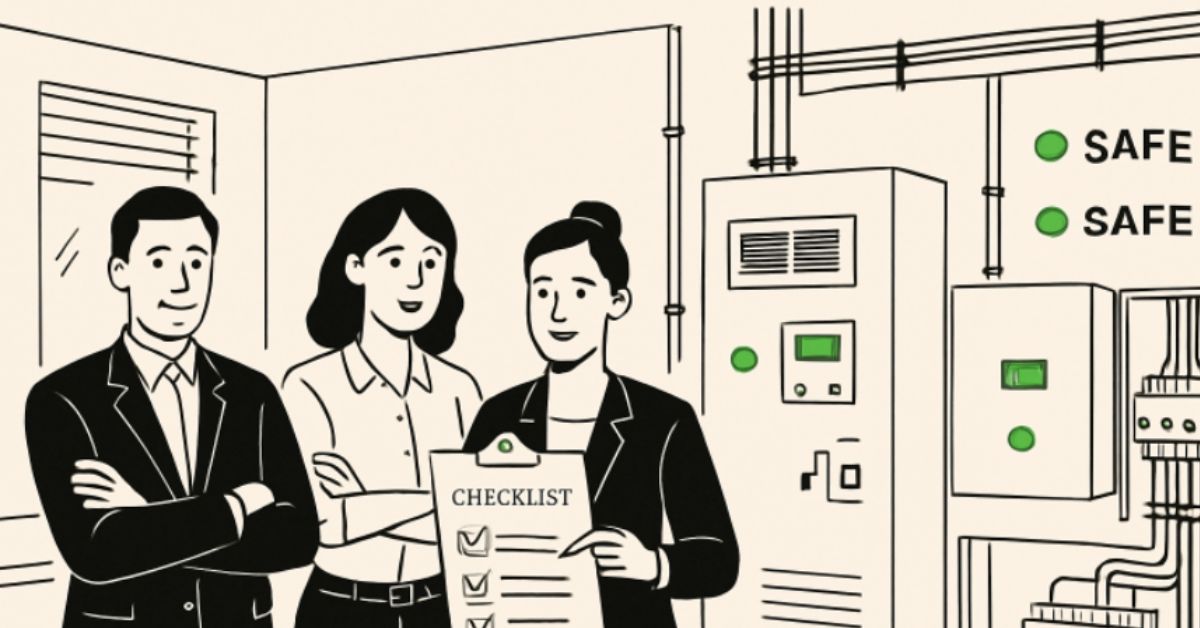
Establishing safe electrical systems is more than a responsible practice; it’s a vital strategy for enhancing overall business performance. Organizations that invest in reliable and secure electrical infrastructure experience fewer disruptions, lower costs, and greater productivity. By collaborating with a trusted Commercial Electrician, businesses in Tampa can achieve robust electrical safety, minimize hazards, and streamline day-to-day operations with confidence.
Safety measures go hand-in-hand with efficiency. While reducing workplace accidents and protecting investments, safe electrical systems also help build employee trust and strengthen a company’s reputation. A well-executed safety program ensures continuous uptime, maintains compliance, and supports innovation across departments.
Downtime caused by preventable electrical issues can cost businesses thousands of dollars in lost revenue, missed opportunities, and workplace frustration. Proactive safety practices reduce such risks by ensuring systems are operating smoothly and eliminating unexpected failures. Whether in retail, office settings, or hospitals, making safety a top consideration directly fuels organizational growth.
Leading organizations know that a rigorous approach to safety underpins resilience and efficiency. Consulting with qualified electrical contractors is essential for tailoring safety protocols to each facility’s unique needs, thereby supporting both compliance and long-term risk reduction.
Minimizing Downtime Through Preventive Maintenance
Frequent disruptions from unplanned outages are one of the greatest threats to operational efficiency. According to the Institute of Electrical and Electronics Engineers (IEEE), proactive maintenance can reduce the likelihood of unexpected electrical failures by as much as 66%. Regular system checks identify potential issues—such as worn components, overheating, or electrical leakage—before they escalate into costly breakdowns.
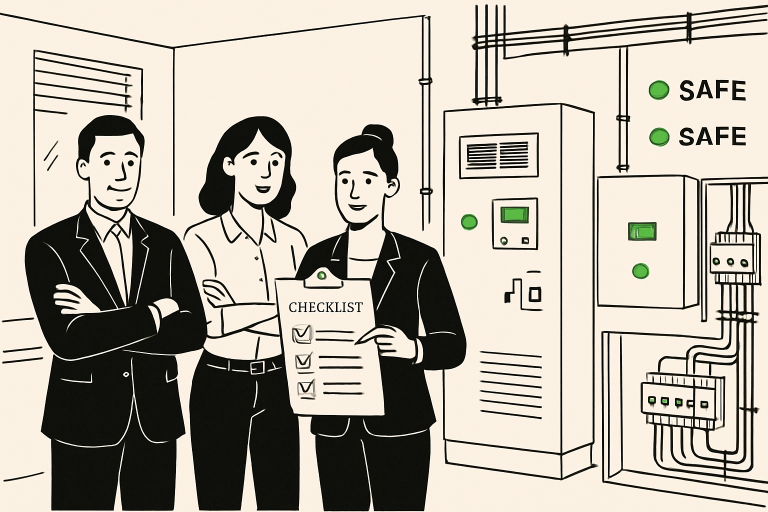
Examples of preventive maintenance activities include inspecting wiring for damage, testing circuit integrity, tightening connections, cleaning panels, and verifying the operation of environmental controls. Businesses that maintain scheduled reviews not only protect equipment but also strengthen business continuity, avoiding the financial and reputational risks associated with sudden outages.
Enhancing Operational Efficiency with Modern Technology
The adoption of innovative technology has revolutionized how businesses manage their electrical systems. Emerging tools—such as real-time energy monitoring, automated scheduling platforms, and IoT-enabled safety controls—provide actionable intelligence for efficient system management. For example, advanced monitoring systems provide real-time insights into consumption, voltage fluctuations, and equipment health, enabling rapid responses to emerging threats and optimizing usage patterns.
Intelligent scheduling software not only reduces scheduling mishaps but also enables electronics to automate reminders and confirmations, minimizing missed appointments and double bookings. Over time, this leads to more efficient workflow management and better customer service—cornerstones of operational excellence.
Compliance and Risk Mitigation
Compliance with electrical safety regulations—such as those enforced by OSHA and the National Fire Protection Association (NFPA)—is fundamental for all U.S. businesses. Violations can lead to substantial penalties, legal consequences, and even closure. More importantly, compliance demonstrates a strong commitment to the duty of care, both to employees and clients.
Regular inspections and adherence to current standards not only reduce liability but can also grant access to favorable insurance premiums and policies. With the proper documentation and transparent safety records, organizations can confidently navigate audits and demonstrate proactive risk management to stakeholders. For more information on workplace safety standards, refer to OSHA’s electrical safety resources.
Protecting Assets and Data Integrity
Electrical failures pose a dual threat: damage to physical equipment and loss or corruption of critical business data. Incorporating surge protectors, uninterruptible power supply (UPS) units, and backup generators shields sensitive electronics and digital assets from unexpected disruptions. These protections are especially crucial in sectors such as healthcare, finance, and manufacturing, where even brief downtime can have significant consequences.
As businesses expand their use of electric vehicle (EV) charging stations and advanced server systems, practical energy management tools become critical. Such technology can control loads during peak usage and help prevent overload conditions—ensuring smooth operations and budget predictability. According to the U.S. Bureau of Labor Statistics, electrical incidents account for a substantial portion of workplace asset loss, underlining the importance of robust safety practices.
Building a Culture of Safety
Electrical safety is most effective when it’s part of a company’s core culture. Leadership should establish clear protocols, conduct regular training, and foster open communication regarding hazards and near misses. Employees must feel empowered to report issues without fear of blame, so that potential threats can be addressed promptly and thoroughly.
By prioritizing ongoing education and visible leadership support, businesses reinforce that safety is everyone’s responsibility. This not only reduces accidents but also boosts morale, builds trust, and enhances the organization’s public image.
Conclusion
Safe electrical systems form the backbone of efficient, reliable, and resilient business operations. By prioritizing preventive maintenance, organizations can identify potential issues early and reduce costly downtime. Investing in modern electrical technologies enhances performance, improves energy efficiency, and boosts system reliability, thereby supporting long-term operational objectives. Strict adherence to safety and compliance standards protects assets, employees, and facilities from avoidable hazards and liabilities. Equally important is fostering a strong safety culture through training and accountability at every level. Companies that treat electrical safety as a strategic priority not only minimize risk but also gain a competitive edge, creating a stable foundation for sustainable growth in demanding business environments.