Introduction
The trucking industry is experiencing a digital revolution, as technology moves from a supporting function to a core driver of operations and profitability. Smart dispatch solutions are at the heart of this shift, reshaping how logistics providers coordinate fleets, assign loads, and communicate with drivers. Through real-time monitoring and advanced analytics, these solutions empower fleets to make data-driven decisions that streamline operations from origin to destination.
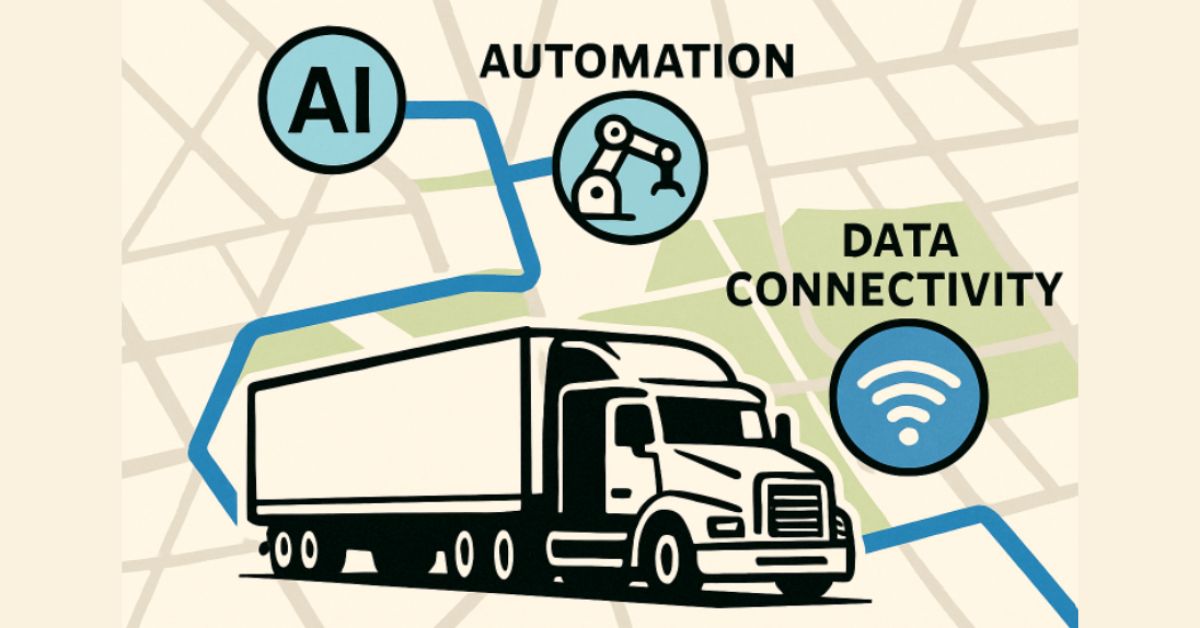
Innovations like trucking dispatch AI are ushering in the next generation of logistics management, combining artificial intelligence, automation, and IoT for heightened efficiency and adaptability. As customer expectations for transparency and punctuality rise, innovative dispatch platforms rapidly become the backbone of successful, resilient fleets.
Besides operational ease, organizations benefit from less manual decision-making, reduced paperwork, and minimized human error. These changes enable companies to focus on scaling their business and improving customer satisfaction.
The evolution of dispatch is not just about convenience for operators—it’s a matter of survival in an industry pressured by thin margins, fluctuating fuel prices, and evolving regulatory demands. By leveraging technology, carriers can improve asset utilization, reduce costs, and enhance responsiveness, ensuring their place in the future of transportation.
AI and Machine Learning in Dispatch
Artificial intelligence and machine learning are transforming dispatch systems by analyzing vast logistics and operational data volumes. These technologies enable predictive load allocation and intelligent fleet matching by detecting trends and patterns. For example, machine learning algorithms can process fuel efficiency, load type, route history, and maintenance records to recommend the best truck for each job while optimizing driver schedules and compliance. Predictive analytics boost service levels by helping dispatchers anticipate delays, weather disruptions, and delivery bottlenecks.
TruckSmarter’s AI Dispatch highlights that leading carriers using AI can automate tasks that once took hours, unlocking operational flexibility and allowing for quick adaptation to market or customer changes.
Telematics and IoT Integration
Telematics and the Internet of Things (IoT) bring unprecedented visibility and control to modern fleets. Through GPS sensors, onboard diagnostics, and connected devices, dispatchers gain real-time insights into vehicle health, driver behavior, and location tracking. With this live data, dispatch tools can provide drivers with dynamic route updates based on traffic conditions, infrastructure changes, or scheduled maintenance. For example, telematics can identify erratic driving or unexpected detours, prompting immediate interventions or reroutes to ensure timely deliveries and regulatory compliance.
According to TruckSmarter’s AI Dispatch, companies investing in IoT-enabled dispatch streamline fleet management and gain a competitive edge through proactive asset maintenance and improved driver safety.
Automation and Error Reduction
Automated dispatch systems transform logistics operations by significantly reducing the burden of repetitive tasks, including scheduling, updating shipment statuses, and maintaining compliance documentation. Through digitized workflows, carriers minimize the risk of manual entry errors that often result in costly delays, penalties, or missed delivery windows. These intelligent systems provide automatic reminders to drivers, ensuring on-time performance, while dispatchers receive real-time alerts to handle unexpected disruptions quickly. Automated compliance logs simplify audits and regulatory reporting, strengthening operational reliability. For organizations managing numerous shipments and time-sensitive routes, such automation delivers both efficiency and accuracy. Most importantly, freeing dispatch teams from routine responsibilities enables them to focus on higher-value activities like customer service, proactive exception management, and strategic business analysis, ultimately driving growth, customer satisfaction, and long-term competitive advantage.
Enhanced Communication Tools
Seamless communication is the backbone of efficient dispatch operations, and modern technologies make this easier than ever. Centralized dashboards, intuitive mobile apps, and real-time push notifications allow dispatchers, drivers, and customers to stay connected at every stage of the delivery process. Advanced features such as live ETA sharing, instant messaging, and proactive alerts ensure that all parties receive accurate updates on routes, schedules, and load details. This constant flow of reliable information helps reduce misunderstandings, prevent costly mistakes, and eliminate unnecessary delays. By providing clear, real-time visibility, these tools improve delivery efficiency and boost driver confidence and satisfaction. At the same time, customers benefit from transparency and timely service updates, creating stronger trust. Ultimately, streamlined communication fosters smoother operations, higher productivity, and improved service quality.
Cost Savings and Profitability
Adopting innovative dispatch solutions creates measurable advantages in the trucking sector, directly contributing to cost reduction and higher profitability. By leveraging optimized route planning, companies reduce fuel consumption and minimize vehicle wear and tear, extending asset life. Automation reduces the risk of manual errors, which lowers rework expenses and compliance penalties. Furthermore, integrating real-time data and predictive analytics allows operators to anticipate potential breakdowns, streamline maintenance schedules, and maximize asset utilization. These efficiencies strengthen the financial bottom line and improve service reliability, making it easier to retain customers and meet their expectations. At the same time, drivers benefit from smoother scheduling, enhancing job satisfaction and loyalty. Adopting such systems enables businesses to adapt, expand operations, and thrive in an unpredictable, highly competitive marketplace.
Conclusion
Innovative technologies such as AI, telematics, automation, and advanced communication tools are transforming logistics companies’ operations, creating new levels of efficiency and reliability. Modern dispatch solutions empower trucking companies to respond quickly to fluctuating market demands, optimize routes, and improve driver productivity while reducing operational costs. With profit margins under constant pressure, these tools provide the agility needed to maximize resources and minimize downtime. Enhanced visibility through real-time tracking strengthens customer satisfaction by ensuring timely and transparent deliveries. The early adoption of intelligent dispatch systems offers a crucial edge in an industry where speed, precision, and adaptability determine success. Fleets that invest in these forward-looking technologies position themselves to thrive in today’s competitive market and sustain long-term growth and resilience.