

Managing your personal finances doesn’t have to be daunting or time-consuming. By taking small, actionable steps to streamline your financial life, you can reduce your stress, increase your sense of control, and ultimately create a clearer path toward your financial goals. A smarter and simpler financial approach isn’t just about minimizing paperwork—it also opens new doors, like discovering how to become your own banker and take advantage of strategies that put you in the driver’s seat of your money management.
Simplifying your finances can also help clarify your long-term goals, enabling you to make better choices and protect your future. By focusing on a few core principles and routines, you can keep your financial life running smoothly and avoid costly missteps. Whether you are looking to consolidate your accounts, automate your savings, or pay off debt, these strategies are designed to help you find balance and achieve greater peace of mind.
For many, the process of financial simplification begins with ditching complexity—unnecessary accounts, forgotten subscriptions, or old debts that cloud your true financial picture. When you use tools and resources that track your expenses and help you plan your next steps, you gain a clearer sense of control and direction. Modern budgeting apps, automatic bill pay, and purposeful account management can turn your financial routine from chaotic to calm.
Taking the time to revisit your goals regularly and cancel unused commitments creates a virtuous cycle: the more you streamline, the more focused and effective your financial habits become. This strategy not only saves you time and worry but also paves the way for significant savings over the long run.
Consolidate Financial Accounts
Too many people juggle multiple checking and savings accounts, credit cards, and even old investment or retirement plans from previous jobs. This can make it easy to lose sight of your true net worth and miss out on potential growth opportunities. By consolidating accounts, you simplify oversight, minimize account fees, and make tax time a breeze. For retirement, merging old workplace 401(k)s into a single IRA is a smart move, making it easier to manage investments and track your progress.
Automate Your Finances
Automating your finances is one of the easiest ways to eliminate forgetfulness and keep your plans on course. Setting up autopay for bills and regular transfers to savings ensures you never miss a payment—avoiding late fees and ruined credit. Automatic savings lets your emergency fund or retirement grow effortlessly in the background. According to a report from the Consumer Financial Protection Bureau, individuals who automate deposits are more likely to reach their savings goals and build long-term security.
Use Budgeting Tools
Modern budgeting apps and tools remove guesswork from managing money. Services like Mint, YNAB, or even your bank’s built-in budgeting platform automatically track expenses, categorize transactions, and offer insights into your spending patterns. With real-time notifications, you stay on top of bills and can spot opportunities to save. By leveraging these tools, you put powerful financial data in your hands, helping you make smarter decisions every day.
Pay Off High-Interest Debt
High-interest debt—especially from credit cards—can gradually erode your financial health. Prioritizing these debts by either the avalanche (highest interest rate first) or snowball (smallest balance first) method helps you gain momentum and reduce interest payments. Making even a small extra payment each month can have a big effect over time, helping you become debt-free sooner. The Federal Reserve recommends tackling high-interest debt to free up monthly cash flow and achieve financial independence faster.
Set Clear Financial Goals
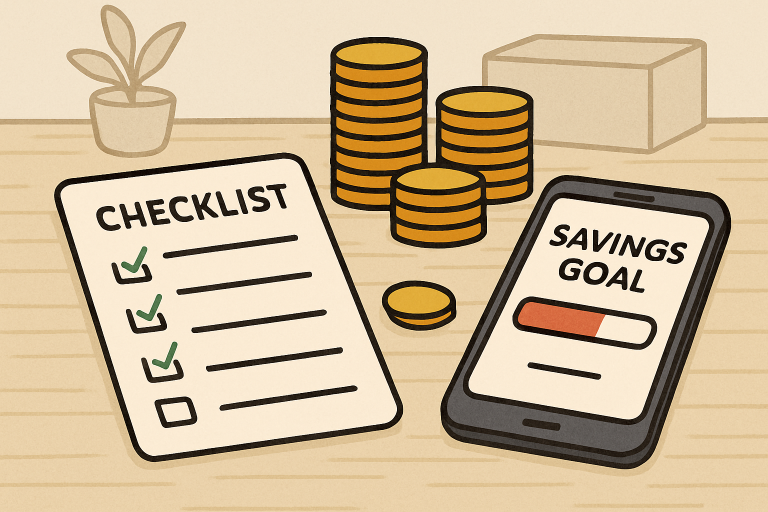
Without clear financial goals, it’s difficult to assess whether your spending habits align with your aspirations. Start by identifying one or two specific goals: maybe it’s saving for your first home, paying off student loans, or building up an emergency fund. Create targets with concrete numbers and a timeline to make your goal achievable. Review your progress monthly and adjust your plans accordingly. Focusing on a small set of priorities at a time helps maintain your motivation and allows your savings habits to stick.
Review and Cancel Unused Subscriptions
Subscriptions can pile up quickly—unused streaming services, gym memberships, or apps can quietly siphon money from your account every month. Make it a habit to audit your subscriptions quarterly. Cancel any services you no longer use or need. Apps like Rocket Money or Trim can help you identify and manage recurring payments, making it easier to cut the excess and keep only the services that add real value to your life.
Build an Emergency Fund
An emergency fund is the cornerstone of any solid financial plan. Aim to save enough to cover three to six months of basic living expenses, which can shield you from unexpected job loss or large expenses like medical emergencies or car repairs. Don’t be discouraged if you have to start small—consistently automating even modest contributions can help your fund grow over time. The Consumer Financial Protection Bureau offers additional guidance on building an emergency savings strategy.
Seek Professional Financial Advice
Managing finances can become complex as your income grows, you acquire more assets, or your goals evolve. Consulting with a financial advisor can provide personalized strategies tailored to your unique circumstances—from optimizing your investing strategies to handling tax complexities or estate planning. Even a single check-in can reveal blind spots in your money management habits and help keep you accountable to your goals.
Making your financial life simpler doesn’t require drastic change. By following these steps—consolidating accounts, automating your savings, using the right tools, and focusing on your goals—you can streamline your routine, reduce stress, and unlock new levels of financial freedom and control.