
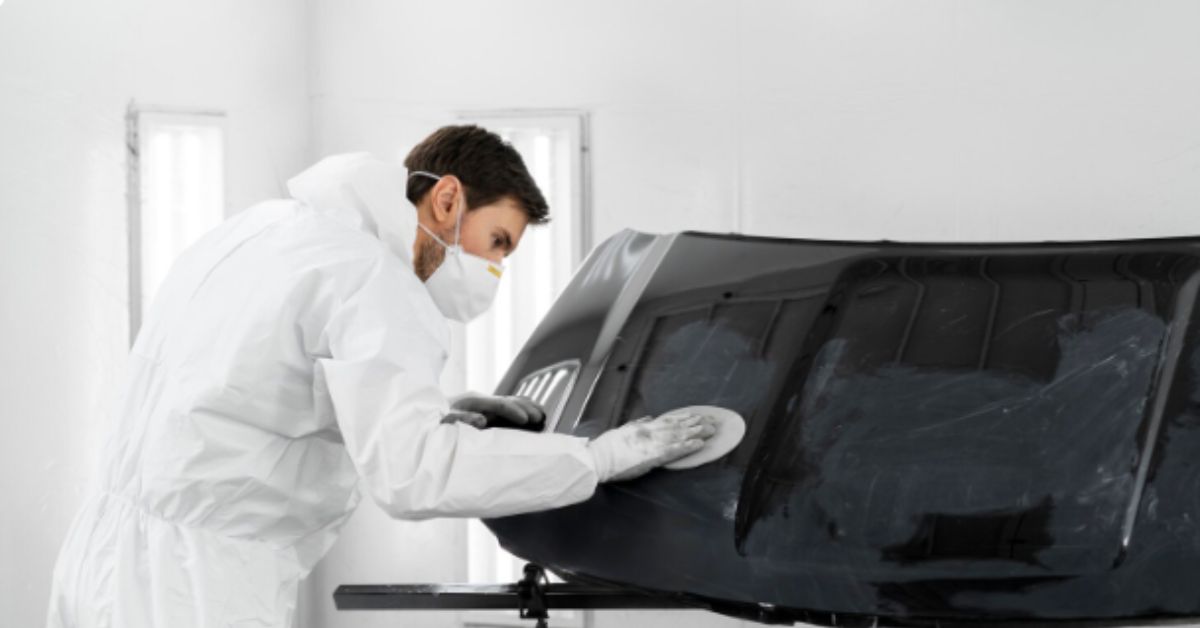
Paint Protection Film (PPF) serves as an invisible armor that shields a vehicle’s paint from chips, scratches, bug splatter, and environmental damage. However, not all installations are created equal. Even the finest film material can be rendered ineffective if the application is rushed, poorly aligned, or full of imperfections. Whether you’ve recently had PPF installed or are planning to, being able to identify the signs of a well-executed job is essential. Knowing what to look for allows you to ensure your investment is not only aesthetic but functional. We will explore the key indicators that distinguish a high-quality paint protection film job from one that falls short of expectations.
Key Signs of a High-Quality Paint Protection Film Installation
- Edges Are Tucked and Invisible
A defining feature of a quality PPF job—especially with a full body PPF application—is how the edges are managed. When properly installed, the film should be tucked neatly around the edges of body panels, making it nearly invisible unless inspected closely. Installers who take their time will wrap the film around the edges of the hood, doors, and fenders, preventing dirt from getting underneath and offering longer-lasting adhesion. Visible edges or sharp cut lines, especially on flat surfaces, are a sign that the film was either pre-cut without modification or hastily applied.
A quality application ensures the film flows naturally with the vehicle’s design. Edge tucking also contributes to the longevity of the film, as exposed corners tend to lift over time. The smoother and less noticeable the film’s presence, the more seamlessly it protects without disrupting the look of the car. This detail shows precision and pride in craftsmanship and is one of the first things a discerning car owner should inspect.
- No Bubbles, Wrinkles, or Dust Traps
Cleanliness and patience are vital during the PPF application process. A clean, dust-free workspace ensures that contaminants don’t get trapped under the film, which could lead to bubbling or surface imperfections. A flawless film job should be free from air bubbles, stretch marks, or moisture pockets. These issues not only affect the appearance but can also compromise the effectiveness of the protection. Wrinkles in the film usually indicate excessive stretching or incorrect handling, especially around curves or panel transitions. High-quality installations take time to adjust the film gradually, using heat and slip solutions to mold the material snugly without deforming it. Inspecting the vehicle under direct sunlight or high-powered inspection lighting can reveal these surface flaws. If you run your hand over the surface and feel tiny bumps or inconsistencies, that’s a sign of poor preparation or rushed installation. Smooth, continuous film that seems like a second skin to your car’s paint is the goal.
- Alignment with Body Lines and Curves
Precision alignment plays a critical role in the performance and appearance of a PPF application. A properly done job will respect the natural flow and shape of your vehicle’s design. That means following body lines exactly and matching curves without leaving gaps, overlaps, or inconsistencies. For instance, if the edge of the film is misaligned with a body crease, it becomes more visible and detracts from the vehicle’s appearance. The film should not be pulling away from corners or stretching unnaturally around tight bends. Installers who value precision will trim film by hand in certain areas to ensure every line is seamless and proportionate. This attention to alignment goes beyond aesthetics—it’s also functional, as improperly aligned film can lift or wear unevenly over time. Walk around the vehicle slowly and examine panel by panel. The film should appear integrated with each part, almost as if the vehicle was built with it from the factory.
- Uniform Clarity and Gloss Across All Panels
Another significant factor in identifying quality PPF work is the uniformity of gloss and clarity across the vehicle’s surface. The film should not distort or dull the paint underneath but should instead enhance its natural appearance. A good film job enhances the shine while remaining virtually invisible. If you notice that one panel looks hazy or matte compared to the rest of the car, the film may have been contaminated during installation or not properly squeegeed. A uniform finish indicates that consistent pressure and proper techniques were used during the process.
Furthermore, the film should be free of water spots or streaks once fully cured, which usually takes a few days. Variations in texture, cloudiness, or reduced glossiness in certain sections may also point to inconsistent film quality or poor prep work. Lighting plays a major role in this inspection—look at the vehicle under both direct sunlight and shade to gauge consistency.
Recognizing a high-quality paint protection film job goes beyond just the initial appearance. It requires attention to detail, a careful look at how the film interacts with the vehicle’s lines, surfaces, and components, and an understanding of proper installation standards. We have explored indicators such as clean edge wrapping, clarity, alignment, and finishing touches—all of which reveal whether true care and precision went into the work. By learning to identify these signs, car owners can better protect their vehicles and ensure their investment in paint protection is long-lasting. A great PPF job doesn’t just preserve paint—it elevates the entire vehicle’s finish.