
Rider Awareness: The Foundation of Safe Riding
Navigating the open road on a motorcycle demands more than just skill—it requires unwavering attention and a commitment to safety at all times. Rider awareness is the most vital component of staying safe, as even the smallest distraction can have serious consequences for motorcyclists. Whether you’re commuting or enjoying a weekend ride, actively scanning traffic, checking mirrors frequently, and staying alert to changing road conditions can make all the difference.
Despite your best efforts, accidents can and do happen. When they do, the aftermath is often overwhelming. Consulting a motorcycle accident lawyer can provide valuable guidance on your rights and next steps, ensuring you are protected legally and financially after a crash. Prevention is always the goal, but being prepared for the worst-case scenario is a crucial part of responsible riding. It’s important to document the accident scene and gather evidence as soon as possible. This information can be vital in building a strong case and ensuring you receive the appropriate compensation.
Choosing the Right Protective Gear
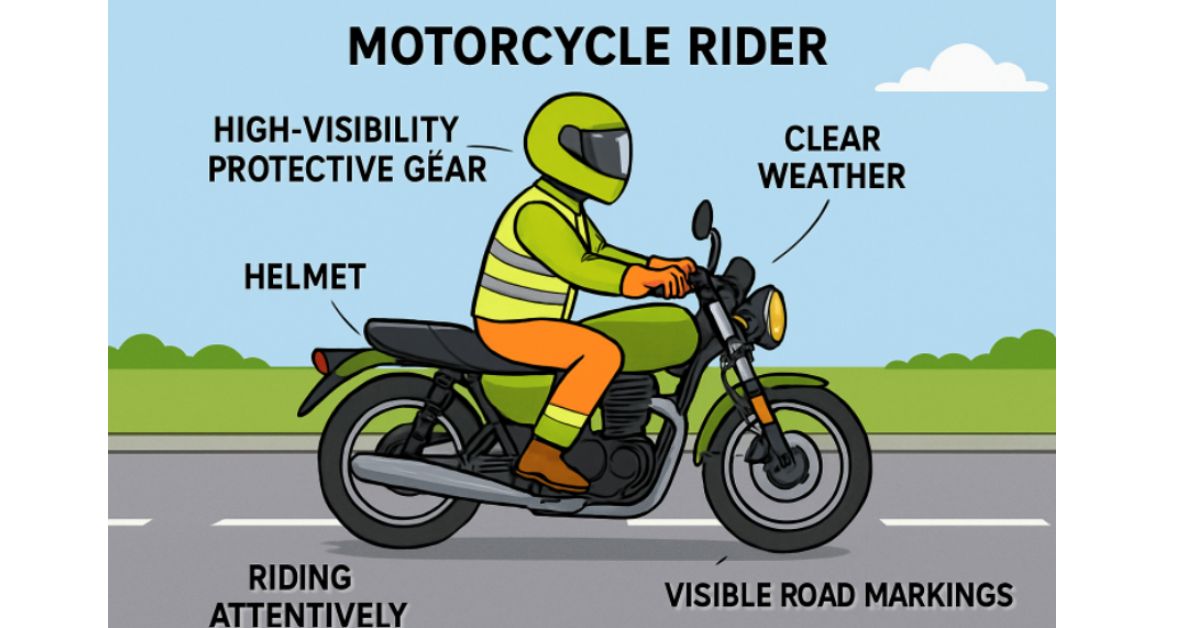
Protective gear is your first line of defense on the bike. The most important piece is a DOT-approved helmet, which dramatically reduces the risk of severe head trauma. Jackets and pants made from abrasion-resistant materials like leather or reinforced textiles provide a barrier against road rash and lacerations. Gloves with reinforced palms and knuckle protection shield your hands in case of a fall. Don’t forget sturdy boots—ankle protection is often overlooked but is critical in many accidents. According to the National Highway Traffic Safety Administration (NHTSA), appropriate gear can be the difference between minor and life-altering injuries.
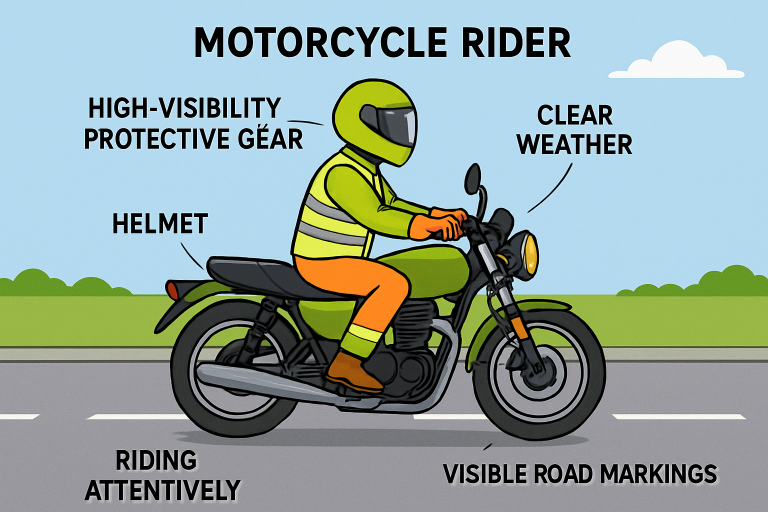
It’s essential to replace your gear periodically and after any impact, even if there is no visible damage. Quality matters, so invest in reputable brands and ensure your helmet fits snugly without being too tight or uncomfortable. Wearing reflective or high-visibility colors, especially at night or in poor weather, will further increase your visibility to other road users.
Understanding Road Conditions and Weather
Motorcycles respond uniquely to the environment compared to four-wheeled vehicles. A patch of wet leaves, stray gravel, or freshly painted road markings can spell disaster if not navigated carefully. Before heading out, check local weather forecasts and, if needed, utilize rider-focused apps to track changing conditions in real time. During the ride, avoid puddles and be extra cautious on bridges and shady corners where ice or moisture may linger. Practicing smooth and controlled inputs on the throttle, brakes, and steering will further help maintain stability in unpredictable conditions.
Riding in adverse weather, such as heavy rain, fog, or strong winds, presents additional hazards. Visibility is reduced, both for you and for other drivers, and traction can be severely compromised. It’s advisable to delay your ride in severe weather or find alternate routes with less exposure to the elements.
Common Causes of Motorcycle Crashes
A significant number of motorcycle crashes are caused by other drivers failing to notice or yield to motorcyclists, especially at intersections or during lane changes. According to the National Safety Council’s Injury Facts, nearly half of motorcycle collisions happen at intersections, largely because drivers misjudge the speed or presence of an oncoming motorcycle. Defensive awareness is your strongest tool—scan for vehicles attempting to turn left across your path and always be wary of cars emerging from driveways or side streets.
Fatigue and impairment, whether from alcohol, drugs, or prescription medication, are also common contributing factors in motorcycle accidents. Never ride when drowsy or under the influence, and encourage others in your riding group to do the same.
Defensive Riding Strategies
- Maintain a safe distance from vehicles, allowing for extra stopping room.
- Watch for sudden lane changes, merging traffic, and erratic behavior from other drivers.
- Stay out of blind spots, especially when riding near trucks or large vehicles.
- Signal your intentions early and make deliberate, predictable maneuvers.
- Regularly practice emergency braking and swerving techniques in a controlled environment.
Defensive riding means assuming that other drivers may not see you and anticipating their mistakes. It’s also about ensuring you always have an escape plan—a safe margin or path to maneuver if an unexpected hazard arises. Staying calm under pressure helps avoid rash decisions and prevents situations from escalating that would otherwise be manageable.
Staying Safe During Group Rides
While group rides can add enjoyment and camaraderie to the riding experience, they also introduce specific safety challenges. The recommended formation is staggered: the lead rider stays in the left portion of the lane, with the next rider offset to the right, and so on, maintaining adequate spacing. This provides each rider with better visibility and more room to maneuver in emergencies.
Clear communication is crucial; use agreed-upon hand signals and ensure that everyone is aware of the planned route and scheduled stops. Position less-experienced riders toward the back, while skilled, confident riders lead and anchor the group. Keep the group size manageable—large packs are harder to control and keep coordinated.
Recent Innovations and Trends in Rider Safety
Advanced technology continues to change the landscape of motorcycle safety. Modern bikes are increasingly equipped with anti-lock brakes (ABS), traction control systems, and electronic stability programs. Wearable airbag vests—once found mainly in racing—are now available for everyday use, offering an extra layer of protection for the torso, neck, and spine. According to recent findings highlighted by Consumer Reports, features such as smart helmets with heads-up displays and integrated emergency alert systems are becoming more accessible for everyday riders, further reducing the risks associated with riding.
Keeping up to date with these advancements and adopting new safety gear and bike features can significantly decrease both the likelihood and severity of accidents.
What to Do After a Motorcycle Accident
- If you’re able, get yourself and your bike out of the flow of traffic to a safe area.
- Contact emergency services immediately—even for seemingly minor accidents.
- Document the scene: take photos of your motorcycle, other vehicles, the area, and any visible injuries. Write down relevant facts while they’re fresh in your mind.
- Get checked by medical professionals, regardless of how you feel. Adrenaline can mask serious injuries.
- Follow up with a physician for a comprehensive examination, and keep all medical records for any necessary legal claims.
Acting quickly and methodically after a crash not only aids your physical recovery but also ensures your rights are protected if legal issues arise. Taking these steps empowers you during a vulnerable time and makes the recovery process smoother.
Summary
Motorcycle riding offers freedom and excitement, but safety should always come first. By wearing the right protective gear, staying visible to other drivers, and following traffic laws, riders can significantly reduce risks. Regular bike maintenance and defensive driving techniques further enhance safety, ensuring every ride is both enjoyable and secure. These practical guidelines help riders protect themselves while fostering greater confidence on the road.