
Introduction
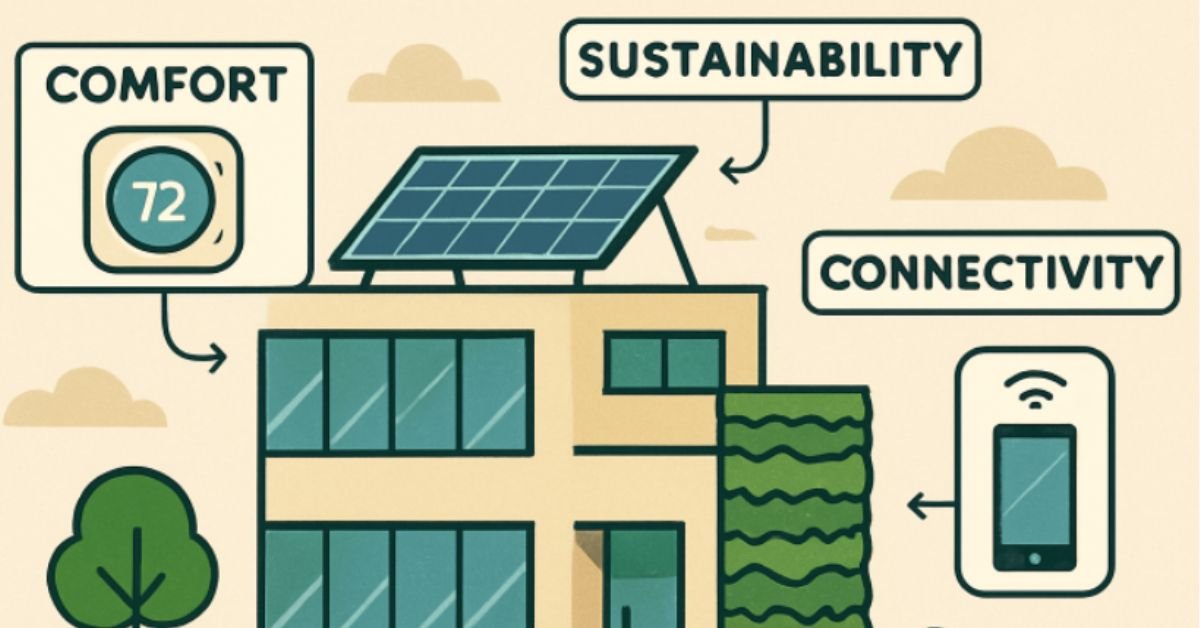
Modern architecture profoundly shapes our daily lives, going far beyond visual appeal to impact how we live, work, and interact. Transformative design introduces comfort, sustainability, and connectivity in cities and homes. Leading firms such as Arch 11 are at the forefront, blending creativity with technology to reimagine the built environment’s potential. The subtle improvement of daily routines, greater well-being, and greener communities are direct outcomes of architectural innovation that often go unnoticed.
Whether through smart homes that adapt intuitively to our needs, or public spaces that bring people together, architecture is an essential part of our everyday experience. Today’s design philosophies are increasingly focused on environmental stewardship, cultural continuity, and seamless integration with emerging technologies. As new approaches and materials transform the landscape, architecture continues to enhance our quality of life in visible and invisible ways.
Smart and Responsive Architecture
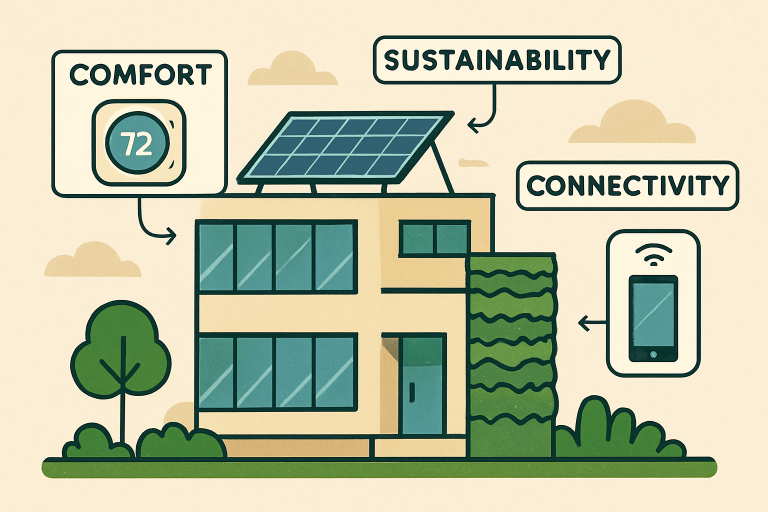
Modern buildings are more intelligent than ever, capable of learning and adapting to their inhabitants. Intelligent systems in homes and commercial spaces now monitor and automatically adjust lighting, climate, and even window shades according to external and internal conditions. Responsive technologies like these optimize comfort and significantly reduce energy waste, supporting environmental goals and lowering utility costs. For instance, buildings can sense occupancy and adjust HVAC systems accordingly, while daylight harvesting reduces electricity usage by using natural light more effectively.
Integrating IoT devices, advanced sensors, and AI-driven analytics in architectural design brings us closer to fully responsive environments. These advancements are highlighted by the architectural trends discussed in Architectural Digest, where smart homes significantly improve efficiency and user experience.
Sustainable Design Practices
Sustainability is now at the heart of architectural innovation. Today’s architects aim to minimize harm to the planet and contribute positively to it. Through features like high-performance insulation, renewable energy systems, and passive solar design, eco-friendly architecture reduces emissions and energy dependency. Sustainability also extends to material choices—recycled, reclaimed, or rapidly renewable materials are increasingly common in residential and commercial projects.
Indoor air quality and occupant health are equally crucial in sustainable design. Architects ensure that our spaces support holistic well-being by maximizing natural ventilation, using non-toxic building materials, and incorporating ample daylight. The New York Times reported that sustainable building trends are not only a response to global environmental concerns but a step toward healthier, more efficient everyday environments.
Adaptive Reuse of Structures
Adaptive reuse transforms old buildings into new icons. Repurposing existing structures conserves resources, reduces demolition waste, and preserves neighborhoods’ unique historical identity. Architects breathe new life into underused spaces by reimagining warehouses as vibrant offices, factories as loft homes, or even old train stations as bustling marketplaces.
Adaptive reuse projects are also powerful tools for community regeneration. They promote economic activity while honoring the past. These projects encourage cities to grow with a sense of continuity and respect for local legacy. The benefits of adaptive reuse extend to sustainability, making it a key strategy for forward-thinking cities worldwide.
Biophilic Design
Biophilic design’s core idea is simple but profound: humans thrive when connected to nature. In practice, this is realized through green walls, living roofs, indoor gardens, and natural materials like wood and stone. Such spaces consistently reduce stress, boost happiness, and increase creativity.
A celebrated example is One Central Park in Sydney, with its iconic vertical gardens that turn the cityscape into a lush oasis. Biophilic design gives people meaningful engagement with the natural world—even in the heart of cities—and brings tangible benefits to our everyday surroundings. Studies highlighted by National Geographic provide further research on nature-based design impacts.
Advancements in Materials and Construction Techniques
The construction industry is experiencing a revolution fueled by new materials and techniques. Innovations such as 3D printing, modular construction, and self-healing concrete are making it possible to build faster, with greater precision, and less waste. These technology-driven methods can transform the way urban environments are developed, allowing for previously unimaginable designs and more resilient buildings.
3D printing technology, for example, can now produce complex building elements onsite, dramatically cutting construction timelines. Likewise, materials that repair their cracks extend the structures’ lifespan and reduce long-term maintenance costs, marking a significant leap in sustainable and cost-effective architecture.
Integration of Artificial Intelligence
Artificial intelligence is becoming a foundational tool in architecture. By automating repetitive tasks and optimizing spatial layouts, AI allows architects to devote more time to creativity and human-centered solutions. AI-driven design platforms can model thousands of design options in minutes, considering daylight, airflow, and energy efficiency variables.
As AI technology evolves, architects’ roles are expected to shift further toward conceptual and strategic work, while AI handles complex calculations and modeling. This collaboration between artificial and human intelligence promises future inventive, user-centric buildings.
Emphasis on Public Spaces
Thoughtfully designed public spaces are essential for healthy, vibrant communities. Projects like New York City’s High Line have transformed overlooked infrastructure into engaging parks, becoming symbols of urban renewal and social interaction. These innovative spaces foster cultural exchange, leisure, and belonging in otherwise dense city landscapes.
Modern approaches to public space design prioritize flexibility, inclusivity, and accessibility, making cities more livable for everyone. Such transformations underscore the value of community-driven design and are vital for the sustainability and resilience of growing cities.
Conclusion
Innovative architecture enhances the quality of daily life by creating more intelligent, sustainable, and connected environments. By integrating technology, eco-friendly materials, historical preservation, and nature-inspired spaces, architecture constantly evolves to meet the challenges of the modern world while always centering on people’s needs and experiences.