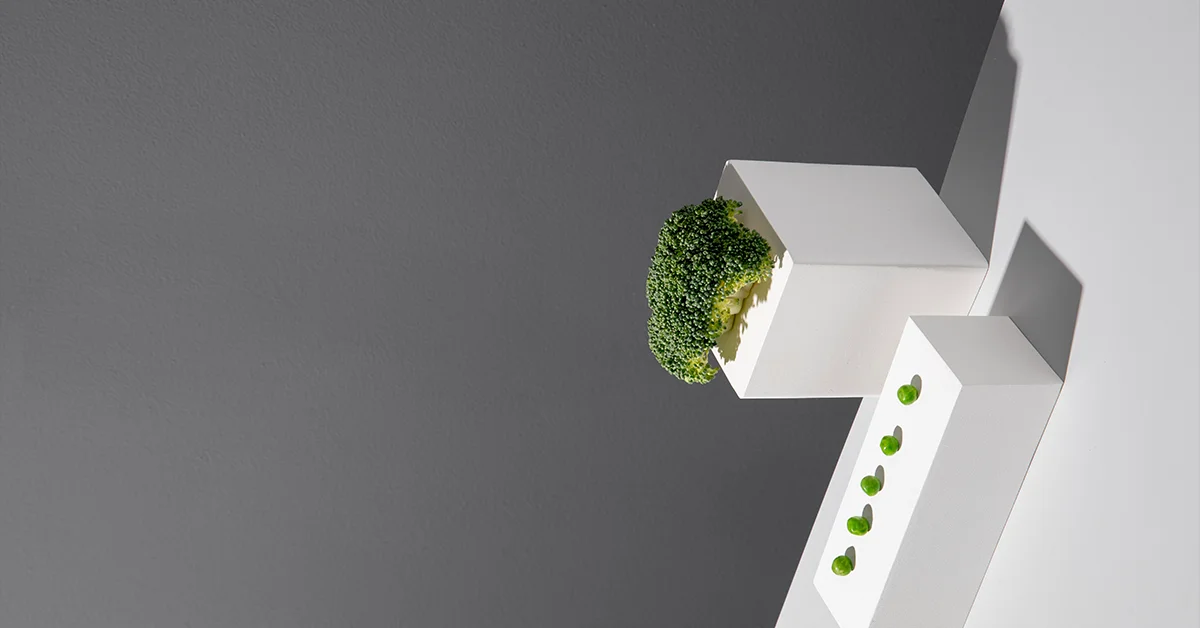
In a world where landscaping often focuses on diversity and abundance, the minimalist approach offers a refreshing alternative. By reducing plant variety, designers create more deliberate and cohesive spaces that feel calm, balanced, and purposeful. This style is not about limiting beauty—it’s about amplifying it through simplicity. Minimalist landscapes focus on fewer plant species, allowing each to stand out while maintaining a clean, uncluttered design. This technique also makes maintenance easier, reduces environmental strain, and highlights the natural textures and forms of chosen plants. We will explore how minimalist landscapes deliver striking impact without overwhelming the senses.
Key Principles of Creating Minimalist Landscapes with Fewer Plant Varieties
Prioritizing Visual Harmony Over Abundance
One of the defining elements of minimalist landscaping is harmony. Instead of overwhelming the eye with multiple plant varieties, a small and carefully curated selection allows each element to shine. By repeating the same species throughout the design, you create a rhythm and pattern that feels intentional rather than accidental. This repetition also encourages a sense of unity, making the space feel larger and more open. For example, using just one or two types of ornamental grasses can add texture while maintaining a uniform appearance. The reduced variety ensures that other features, such as pathways, water elements, or stonework, also receive attention without being overwhelmed by an overload of plant colors and shapes. RK Preferred Landscaping often applies this principle to craft visually cohesive outdoor spaces. In this way, harmony becomes the silent force that transforms a simple garden into a timeless work of art.
Leveraging Texture and Shape for Depth
When you limit plant species, the emphasis shifts to texture, shape, and arrangement. Instead of relying on multiple colors and blooms, minimalist landscaping uses leaf structure, plant height, and growth patterns to create visual depth. For instance, mixing tall, slender plants with low, ground-hugging greenery can generate contrast while keeping variety minimal. Texture also plays a powerful role—pairing smooth-leafed shrubs with coarse ornamental grasses or spiky succulents can add visual interest without crowding the design. The restrained approach allows viewers to appreciate the intricate details of each plant, from the veins of a leaf to the way light interacts with its surface. This focus on texture and shape ensures that even with fewer plant types, the space feels dynamic and layered.
Using Color with Purpose
In minimalist landscapes, color is not an afterthought—it is a deliberate design choice. Limiting plant variety allows for a more controlled color palette that can evoke specific moods. For example, a monochromatic green scheme can promote tranquility, while pairing greens with subtle whites or soft purples can create elegance and sophistication. Because there are fewer distractions, each flower or leaf stands out more vividly. Even seasonal changes become more noticeable when the garden is not saturated with competing colors. By treating color as a carefully curated element, the design gains both clarity and impact, turning each bloom or foliage shift into a visual event worth noticing.
Highlighting Structural Elements
Minimalist landscapes do not rely solely on plants for beauty—hardscaping and structural elements play an equally important role. With fewer plant species competing for attention, stone pathways, wooden decks, metal sculptures, or water features can take center stage. The plants chosen act as subtle frames, guiding the viewer’s eye toward these focal points. For instance, a row of neatly trimmed shrubs can draw attention to a modern bench, while a border of uniform grasses can highlight a sleek reflecting pool. This balance between greenery and structure makes the design more functional, as it blends living elements with architectural precision. The result is a space that feels both natural and deliberately crafted, where every element serves a purpose.
Reducing Maintenance Without Sacrificing Beauty
One of the practical advantages of using fewer plant varieties is simplified maintenance. Instead of managing multiple watering schedules, pruning needs, and soil preferences, you can focus on the specific requirements of just a few species. This approach not only saves time but also reduces the likelihood of plant loss due to inconsistent care. For example, choosing drought-tolerant plants across the entire landscape ensures that the garden remains visually cohesive while being resilient in varying weather conditions. Fewer plant types also mean less frequent replacement, as the chosen species are selected for longevity and compatibility with the local climate. This low-maintenance approach does not diminish beauty—it allows the existing plants to thrive and become more striking over time.
Embracing Negative Space as a Design Tool
Minimalist landscaping thrives on the concept of negative space—the areas intentionally left unplanted to create breathing room within the design. These open areas can be gravel paths, manicured lawns, or even bare soil framed by clean edging. Negative space emphasizes the plants that are present, drawing more attention to their form and placement. It also provides a visual rest for the eyes, making the landscape feel less cluttered and more serene. In many cases, the empty areas become as important as the planted ones, guiding movement through the space and creating opportunities for reflection and relaxation. This thoughtful use of space ensures that every plant is appreciated for its role in the overall composition.
Minimalist landscaping proves that less can truly be more. By limiting plant variety, designers create spaces that are harmonious, impactful, and easy to maintain. This approach shifts the focus to texture, shape, color, and structural elements, allowing each component to be appreciated for its individual contribution. Negative space becomes a powerful tool, while multi-season plants keep the design vibrant throughout the year. The result is not an absence of creativity, but rather a refined expression of it—a landscape where every choice is intentional, and every detail matters. Through simplicity, minimalist landscapes achieve an enduring elegance that thrives over time.