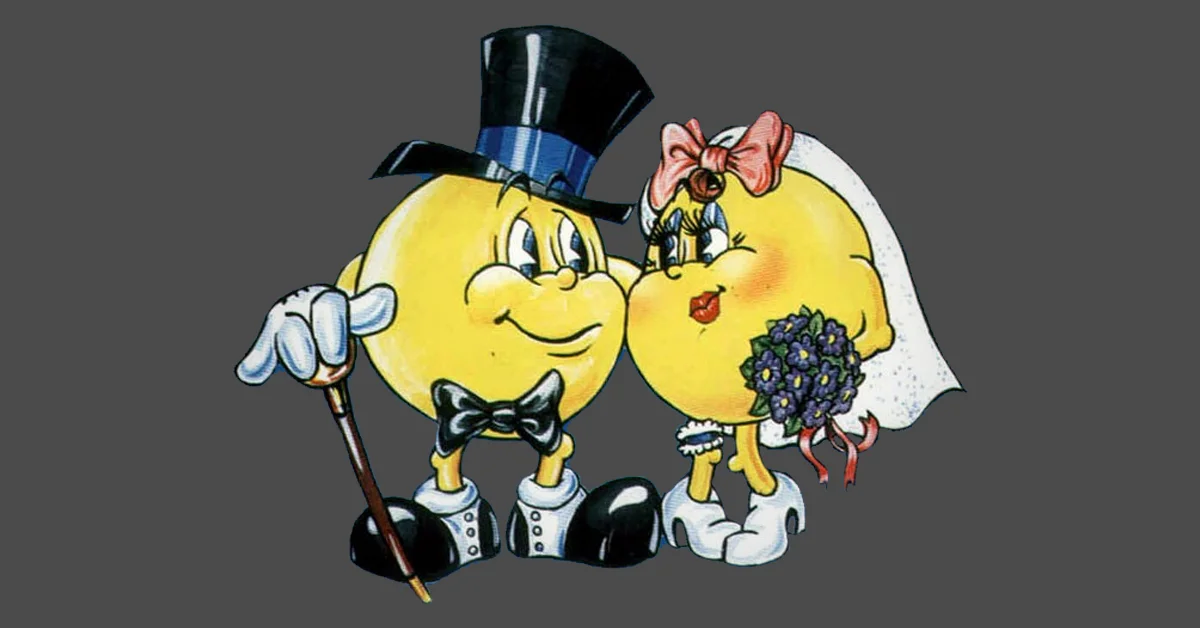
When you think about the golden age of arcade gaming, two names instantly pop into mind — Pac-Man and Ms. Pac-Man (often affectionately called “Mrs Pacman” by fans). These two legendary characters didn’t just dominate the arcade halls of the 1980s; they became cultural icons, shaping the way video games were seen, played, and loved.
Pac-Man’s addictive gameplay and Ms. Pac-Man’s fresh twist kept gamers coming back for “just one more round” — a sentiment still shared by many decades later. Their charm wasn’t only in chomping pellets or avoiding ghosts; it was in the vibrant personality each game brought to the arcade floor.
In this article, we’ll take a nostalgic journey through the history of Mrs Pacman and Pacman, explore their similarities and differences, highlight their impact on gaming culture, and uncover why they remain an iconic arcade duo to this day.
TRENDING
Caldero: The Timeless Charm Of The Traditional Cooking Pot
The Birth Of Pac-Man: A Gaming Revolution
In 1980, Namco (now Bandai Namco Entertainment) released Pac-Man, designed by Toru Iwatani. At the time, most arcade games focused on shooting or sports, but Pac-Man introduced a fresh, non-violent concept: navigating a maze, eating pellets, and avoiding colorful ghosts.
Pac-Man became an overnight sensation. It appealed to a wide audience, including women and families — a rarity in gaming at the time. The character’s simplicity, combined with challenging gameplay and bright visuals, created a universal appeal.
Key features that made Pac-Man a hit:
- Simple controls: Just four directions — up, down, left, right.
- Iconic enemies: Blinky, Pinky, Inky, and Clyde — each with unique behavior patterns.
- Endless replay value: As levels progressed, ghost AI sped up, making the game harder.
By the end of the 1980s, Pac-Man had cemented himself as one of the most recognized video game characters in the world.
The Arrival Of Ms. Pac-Man: A New Star Is Born
Following Pac-Man’s massive success, Midway (the US distributor for Namco) introduced Ms. Pac-Man in 1982. The game wasn’t originally a Namco creation — it started as an unauthorized Pac-Man modification called “Crazy Otto,” made by a group of MIT students. Midway saw the potential and turned it into an official sequel, with Namco later approving it.
Ms. Pac-Man quickly became just as beloved as her predecessor — and in some ways, she surpassed him in popularity. With new maze designs, improved ghost AI, and charming animations, she offered a fresh challenge for players who had already mastered Pac-Man.
Distinct features of Ms. Pac-Man:
- Four different maze layouts instead of just one.
- Smarter, less predictable ghost behavior for increased difficulty.
- Moving fruits that wandered around the maze instead of staying in one spot.
- A charming female character design, complete with a bow and lipstick, giving her personality and visual identity.
Mrs Pacman and Pacman: Similarities That Bind Them
Though they have their differences, Pac-Man and Ms. Pac-Man share a core gameplay loop that has made them enduring classics.
Timeless Maze-Chasing Fun
Both games revolve around navigating a maze, eating all the pellets, and avoiding ghosts. This formula is easy to learn but hard to master.
Iconic Sound Effects and Music
From the “waka-waka” pellet chomping to the ghost-scattering tune when eating a power pellet, their sound design remains instantly recognizable.
Endless Replayability
With no definitive ending, both games invite players to test their skill and endurance, competing for the highest score possible.
Universal Appeal
Neither game required gaming experience to enjoy. They appealed to casual players, competitive gamers, and even non-gamers who just wanted to try “the game everyone’s talking about.”
How Ms. Pac-Man Expanded The Legacy
Ms. Pac-Man wasn’t just a sequel — she was a step forward for arcade game design. The variety of mazes and unpredictable ghost movement made each game session feel unique.
She also broke ground in gaming representation. While it might seem minor today, having a female protagonist in a video game during the early ’80s was groundbreaking. It encouraged more women to play and helped broaden the gaming audience.
Her success also proved that sequels could be more than simple rehashes — they could refine and expand on the original while keeping its heart intact.
Cultural Impact Of The Iconic Arcade Duo
The influence of Mrs Pacman and Pacman went far beyond the arcade cabinet. They became part of everyday pop culture, appearing in cartoons, TV commercials, merchandise, and even music.
During the height of “Pac-Man Fever” in the early ’80s:
- Pac-Man had a Saturday morning cartoon series.
- A hit pop song called “Pac-Man Fever” by Buckner & Garcia reached the Billboard charts.
- Merchandise like lunchboxes, clothing, and toys flew off store shelves.
Ms. Pac-Man also became a staple in arcades, diners, and even bars — often more common than Pac-Man machines due to her broader appeal and slightly more challenging gameplay.
Why They Still Matter Today
Even in today’s world of high-definition graphics and massive open worlds, Mrs Pacman and Pacman continue to attract players. Their staying power comes from a few core qualities:
Simplicity that’s easy to grasp but endlessly challenging to master.
Aesthetic charm — bright, colorful visuals that never feel outdated.
Cross-generational appeal — parents introduce their kids to the games they grew up with.
Ubiquity — they’re available on consoles, PCs, mobile devices, and even smart TVs.
Modern versions, such as Pac-Man Championship Edition and Ms. Pac-Man: Maze Madness, keep the legacy alive while introducing new gameplay twists.
Fun Facts You Might Not Know
- Pac-Man’s shape was inspired by a pizza missing one slice.
- Ms. Pac-Man’s development was originally unauthorized but became officially licensed due to its quality.
- The kill screen for Pac-Man appears at level 256 due to a programming bug.
- Ms. Pac-Man was one of the first video games to feature intermission cutscenes showing a love story between Pac-Man and Ms. Pac-Man.
The Competitive Scene
Yes, Pac-Man and Ms. Pac-Man aren’t just casual games — they have competitive communities. High-score chasers and speedrunners still challenge themselves to break world records.
Notable achievements include:
- Billy Mitchell’s perfect Pac-Man score of 3,333,360 points.
- Speedrunners competing to reach the kill screen in record time.
- Ms. Pac-Man competitions where unpredictability makes high scores even more impressive.
The Enduring Legacy
The story of Mrs Pacman and Pacman is more than just about two arcade games; it’s about the evolution of gaming itself. They showed the world that games could be engaging without violence, accessible to everyone, and endlessly fun.
In an era where many games come and go, Pac-Man and Ms. Pac-Man have proven that true classics never fade — they just keep chomping along.
Conclusion
From the bustling arcades of the 1980s to modern gaming consoles, Mrs Pacman and Pacman have stood the test of time. They remain symbols of the joy and simplicity that made gaming a beloved pastime for millions. Their legacy isn’t just in their gameplay but in the memories they’ve created and the people they’ve brought together — one pellet at a time.
Whether you’re revisiting them for nostalgia or playing for the very first time, one thing is certain: this iconic arcade duo will always have a place in gaming history.
ALSO READ: Savoring Indulgence: The Allure Of Godiva Chocolate Liqueur
FAQs
What is the difference between Mrs Pacman and Pacman?
Pac-Man has a single maze layout and predictable ghost patterns, while Ms. Pac-Man features multiple maze designs, smarter ghosts, and moving fruit, offering a more varied challenge.
When was Pac-Man first released?
Pac-Man was released in 1980 by Namco and quickly became one of the most successful arcade games of all time.
Was Ms. Pac-Man an official Namco game from the start?
No. Ms. Pac-Man started as an unauthorized Pac-Man modification called “Crazy Otto” before being licensed by Namco through Midway.
Can I play Pac-Man and Ms. Pac-Man today?
Yes. Both games are available on modern platforms, including consoles, PC, mobile devices, and even online emulators.
Why is Ms. Pac-Man considered harder than Pac-Man?
Her game features unpredictable ghost movement, multiple mazes, and faster gameplay, which makes it more challenging to master.