
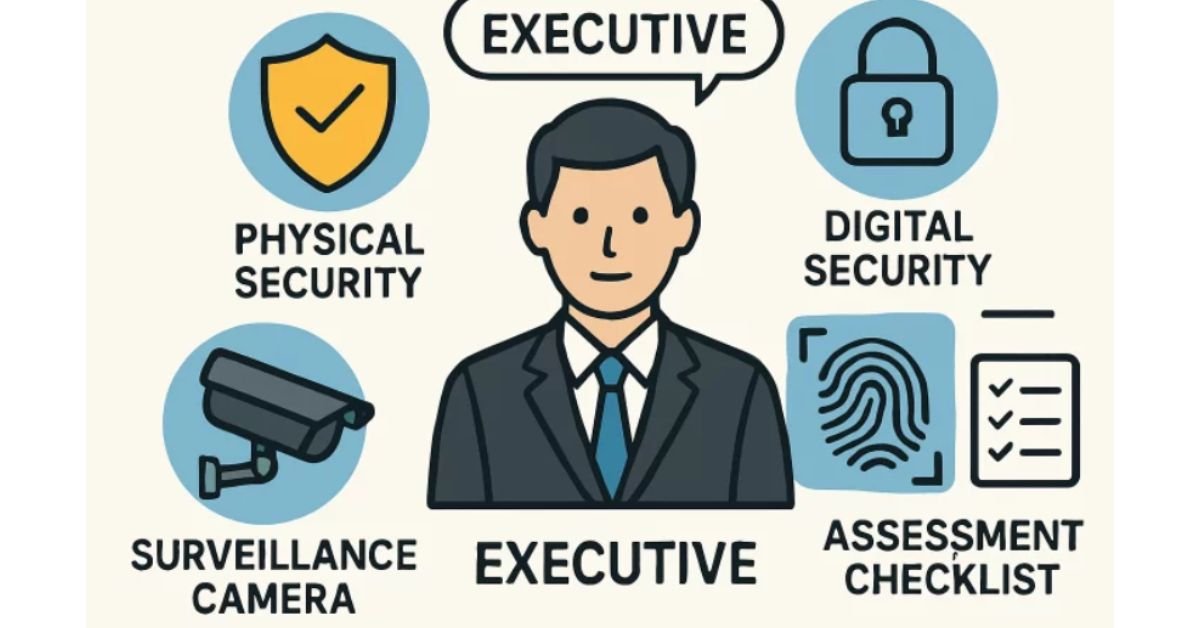
Understanding the Evolving Threat Landscape
Today’s executives are navigating a world where threats to their personal safety and organizational reputation are growing exponentially. In the past, high-profile leaders primarily contended with physical dangers like stalking, kidnapping, or workplace violence. An executive’s risk profile includes sophisticated cyberattacks and targeted reputational attacks on social media. Events such as the assassination of UnitedHealthcare CEO Brian Thompson are extreme but not isolated. These chilling cases have intensified the industry’s focus on executive protection and compelled companies and individual leaders to adopt best-in-class safety protocols. Increased global visibility, combined with the digital transformation of business, means that even basic personal information can become vulnerable if it falls into the wrong hands.
Integrating Advanced Technologies in Security Protocols
The rapid progress of security technology is reshaping executive safety in ways that were once considered the realm of science fiction. Artificial Intelligence (AI) now empowers security teams by swiftly analyzing vast amounts of data—from building entrance logs and live surveillance feeds to digital communications. This capability allows for identifying suspicious patterns and anomalies, providing security professionals with the advanced warning to act before a situation escalates. Equally important, biometric authentication systems, such as fingerprints, facial recognition, and iris scans, strengthen access controls for executive offices, sensitive company data, and vehicles.
Conducting Comprehensive Risk Assessments
Every executive role is unique, with risks linked to industry, public exposure, travel habits, and personal lifestyle. Comprehensive risk assessments are key to understanding and addressing these distinct vulnerabilities. Such evaluations are not limited to basic checklists—they involve a holistic review of the executive’s professional and personal life: travel schedules, public-facing events, proximity to controversial business dealings, and exposure due to media appearances or online profiles. Assessments also examine existing digital hygiene, privacy settings, and potential weak points in both physical and virtual worlds.
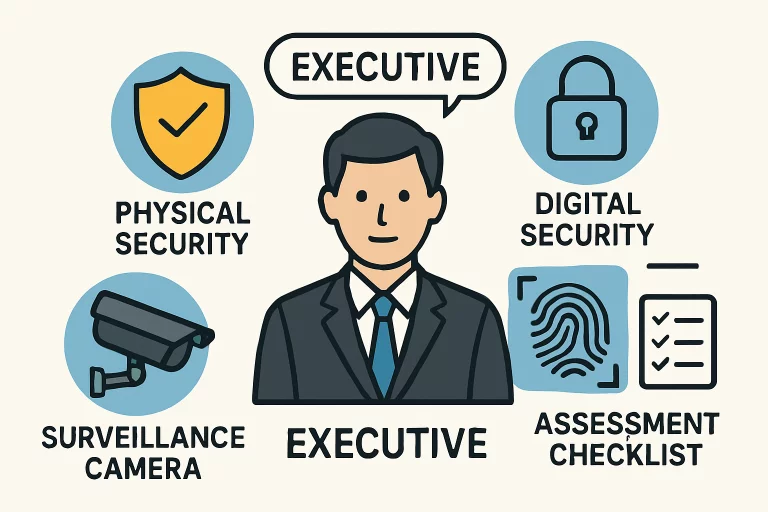
To remain relevant in this constantly changing environment, risk assessments should be frequent and responsive to evolving circumstances—such as changes in role, sudden media attention, or relocation to a new region. The most effective reviews are performed by experienced security consultants with deep expertise across physical and digital domains, ensuring that the recommended countermeasures are realistic and tailored to the executive’s needs.
Implementing Proactive Threat Monitoring
Continuous monitoring of potential threats forms the backbone of elite executive security programs. Unlike traditional models that relied on waiting for incidents to happen, today’s approach uses real-time intelligence tools to scan a dynamic environment: from social media and news, to dark web forums where sensitive information is traded or leaked. Advanced analytics and threat intelligence platforms can flag abnormal activity, such as chatter about an executive on underground sites or digital attempts to breach their accounts, allowing security teams to intervene immediately.
Enhancing Personal Privacy and Digital Hygiene
Reducing digital vulnerabilities is a non-negotiable aspect of personal security for any executive in today’s highly connected world. Personal information such as home addresses, travel routines, or even details about family members can be weaponized by malicious actors. To combat this, executives must develop strong digital hygiene habits, beginning by locking down privacy settings on social media, avoiding oversharing information, and regularly auditing for unintentional data leaks on public platforms or through third-party data brokers. All sensitive communications should utilize encrypted messaging platforms for an added layer of security.
Developing Tailored Emergency Response Plans
No preventative security effort is complete without a well-constructed emergency response plan. Tailored planning anticipates various crisis realities—such as sudden medical emergencies, coordinated cyberattacks, security breaches, or damaging PR incidents. Each plan must outline response protocols and communication hierarchies, roles for all stakeholders, and pre-established partnerships with first responders or law enforcement. This ensures clarity under pressure and seamless collaboration should an actual emergency arise.