
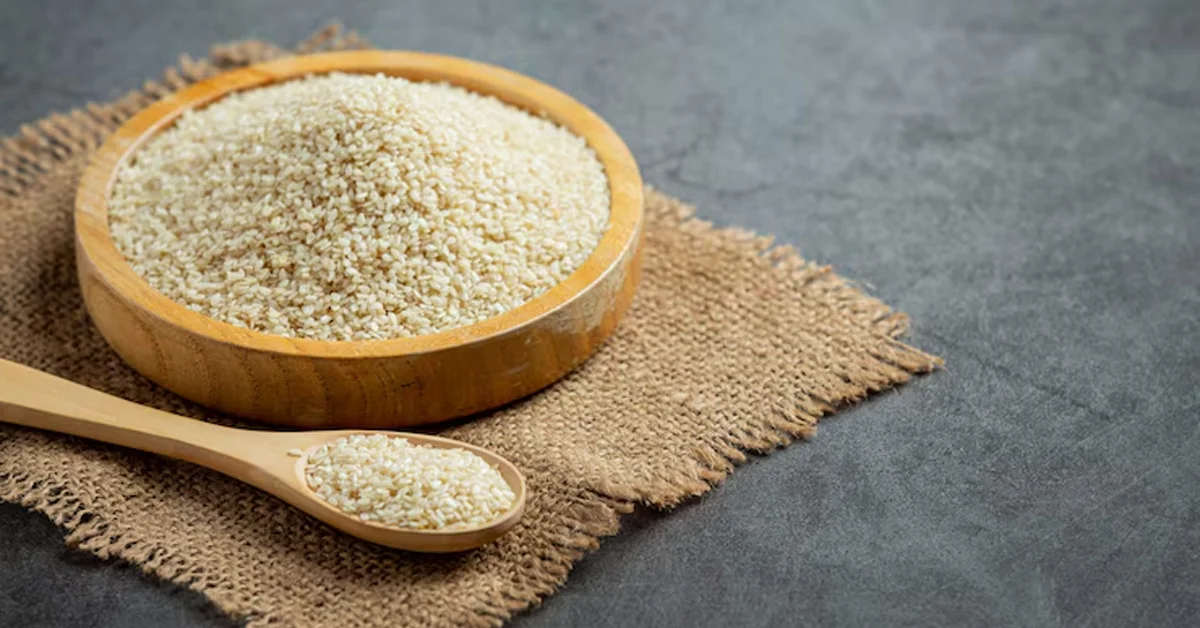
In recent years, quinoa flour has surged in popularity among health enthusiasts, gluten-intolerant individuals, and culinary creatives. With its impressive nutritional profile and versatility in baking, this gluten-free alternative is transforming the way we think about flour. Whether you’re striving for a healthier lifestyle or managing celiac disease, quinoa flour’s is a smart and delicious choice.
TRENDING
Does Constipation Cause Weight Gain? Uncover The Truth!
What Is Quinoa Flour?
Quinoa flour’s is made by grinding whole quinoa seeds into a fine powder. Quinoa itself is a pseudograin—technically a seed but often used like a grain—that originates from South America, particularly the Andes region. The flour retains all the natural nutrients of the whole seed, making it a powerhouse of protein, fiber, and essential minerals.
Unlike traditional wheat flour, quinoa flour’s is completely gluten-free, making it suitable for those with gluten sensitivities or celiac disease. It’s also naturally vegan, rich in antioxidants, and contains all nine essential amino acids, making it a complete protein source.
Nutritional Benefits Of Quinoa Flour
High in Protein
One of the most notable benefits of quinoa flour’s is its high protein content. Each cup provides around 8 grams of protein, which is more than most other gluten-free flours.
Complete Amino Acid Profile
Most plant-based proteins lack one or more essential amino acids, but quinoa is a complete protein, meaning it provides all nine that the body cannot produce on its own.
Rich in Fiber
Quinoa flour’s contains about 5 grams of fiber per cup, aiding digestion, stabilizing blood sugar levels, and helping you feel fuller longer.
Packed with Vitamins and Minerals
It is a good source of magnesium, iron, phosphorus, zinc, and B vitamins—nutrients essential for energy production, immune support, and muscle function.
Low Glycemic Index
Thanks to its complex carbohydrates, quinoa flour’s has a relatively low glycemic index, which helps in managing blood sugar levels.
Why Choose Quinoa Flour For Baking?
Gluten-Free Goodness
Many people suffer from gluten sensitivity or celiac disease and need to eliminate gluten from their diets. Quinoa flour offers a nutritious and safe alternative without compromising taste or texture.
Natural Taste with a Nutty Edge
Quinoa flour’s has a distinct, slightly nutty flavor that enhances baked goods like muffins, pancakes, and cookies. It pairs beautifully with ingredients like chocolate, banana, and spices such as cinnamon or nutmeg.
Improved Texture
When used properly, quinoa flour can add softness and moisture to baked items, making it an ideal choice for cakes, brownies, and quick breads.
How To Bake With Quinoa Flour
Use in Blends
Quinoa flour’s can be a bit overpowering when used alone. It’s often best when blended with other gluten-free flours like almond flour, rice flour, or tapioca flour to create a more balanced texture and flavor.
Example Blend:
1 cup quinoa flour
1 cup almond flour
½ cup tapioca flour
Binding Agents Help
Since there’s no gluten to provide structure, use binding agents like xanthan gum, chia seeds, or psyllium husk in your recipes to help your baked goods hold together.
Great for Quick Breads
Quinoa flour’s shines in recipes that don’t require yeast. Think banana bread, cornbread, muffins, and even pancakes.
Quinoa Flour Recipes To Try
Quinoa Flour Pancakes
Light, fluffy, and nutrient-packed—just mix quinoa flour, eggs, baking powder, milk (or dairy-free alternative), and a pinch of salt.
Chocolate Quinoa Brownies
Rich, moist brownies with a hint of nuttiness. Use quinoa flour’s instead of wheat flour, and you won’t miss the gluten at all.
Gluten-Free Banana Bread
A moist, satisfying loaf perfect for breakfast or a healthy snack. Add walnuts and cinnamon for extra flavor.
Quinoa Flour Muffins
Mix with blueberries or apple chunks for a sweet treat loaded with nutrients.
Homemade Pizza Crust
Combine quinoa flour’s with olive oil, water, and seasonings to create a thin, crispy, gluten-free pizza crust.
Storage Tips For Quinoa Flour
Keep it cool: Store in an airtight container in the fridge or freezer to prevent it from going rancid.
Use within a few months: Quinoa flour can spoil more quickly than refined flours due to its natural oils.
Smell check: If it has a sour or musty smell, it’s time to toss it.
Who Should Use Quinoa Flour?
Celiac and Gluten-Sensitive Individuals
Quinoa flour’s is naturally gluten-free and safe for people with gluten intolerances.
Vegans and Vegetarians
Because it’s a complete protein, it’s especially valuable for those avoiding animal products.
Fitness Enthusiasts
High protein and fiber levels make it a great addition to fitness-focused diets.
Parents and Kids
A healthy option for homemade snacks and baked goods with less refined sugar and more nutrients.
Side Effects Or Considerations
Bitter Taste: Some find the taste a little bitter. Toasting the flour or combining it with sweet ingredients helps balance it out.
Digestive Sensitivity: If you’re new to quinoa flour’s start small to see how your digestive system reacts.
Comparing Quinoa Flour To Other Gluten-Free Flours
| Flour Type | Protein | Fiber | Taste | Common Use |
|---|---|---|---|---|
| Quinoa Flour | High | High | Nutty | Muffins, pancakes, bread |
| Almond Flour | Moderate | High | Mild, nutty | Cookies, cakes |
| Rice Flour | Low | Low | Neutral | Noodles, batters |
| Coconut Flour | Moderate | Very High | Sweet | Desserts, thickening agent |
Environmental Impact
Quinoa is generally considered a sustainable crop because it requires less water than wheat and can be grown in poor soil conditions. However, high global demand has impacted local farming communities in South America. Opting for fair trade and organic sources is a responsible choice.
Final Thoughts
Quinoa flour is more than just a trendy baking ingredient—it’s a nutrient-dense, gluten-free superfood that supports health without sacrificing flavor. Whether you’re experimenting with healthier recipes or managing dietary restrictions, quinoa flour’s is a versatile and wholesome addition to your pantry.
ALSO READ: Affordable Balloon Sinuplasty Cost: What To Expect In 2025
FAQs
What is quinoa flour used for in baking?
Quinoa flour’s is used in gluten-free baking to replace wheat flour. It works well in pancakes, muffins, breads, and brownies, offering a nutty flavor and high protein content.
Can quinoa flour be used as a 1:1 substitute for regular flour?
Not always. It’s best used in combination with other flours or adjusted for moisture and binding. On its own, it can be dense or crumbly.
Does quinoa flour have a strong taste?
Yes, it has a slightly bitter and nutty flavor, but this can be balanced by toasting or blending with sweet or savory ingredients.
Is quinoa flour’s keto-friendly?
Not quite. While it’s low on the glycemic index, it still contains carbohydrates, making it less suitable for strict keto diets.
How do I store quinoa flour’s to keep it fresh?
Store it in an airtight container in the refrigerator or freezer to extend shelf life and preserve freshness.