When horror fans talk about the most chilling creations in gaming history, one name almost always creeps back into the conversation: the Tyrant Virus from the Resident Evil series. Decades after its introduction, this fictional bio-weapon remains one of the franchise’s most frightening elements—so disturbing, in fact, that new and longtime fans still get chills whenever it resurfaces in a game, movie, or lore update.
But what is it about the Tyrant Virus that keeps it so terrifying even today? Why does this fictional pathogen still haunt the imaginations of horror lovers across generations? The answers take us deep into the design philosophy, storytelling, and psychological fear factors that have made Resident Evil a legend in the survival-horror genre.
In this detailed breakdown, we’ll explore exactly why the Tyrant Virus still terrifies fans, how it shaped the Resident Evil universe, and why its legacy continues to infect the series with dread.
TRENDING
Journey Into The Oceanic 5: A Fresh Perspective
The Origins Of Terror: Understanding The Tyrant Virus
Before diving into why the virus still scares people, it’s important to understand what the Tyrant Virus actually is in the Resident Evil universe.
The Tyrant Virus—often abbreviated as the T-Virus—was engineered by the Umbrella Corporation as a groundbreaking biological weapon. Its purpose wasn’t simply infection; it was transformation. It was designed to create enhanced super-soldiers capable of extreme strength, durability, and aggression.
This already sounds horrifying, but Resident Evil takes it further. Instead of perfect weapons, the virus creates grotesque, unpredictable monsters that push the limits of body horror.
The result? A fictional virus that feels disturbingly plausible, which only amplifies the fear factor.
The Perfect Storm Of Fear: Why The Tyrant Virus Concept Still Works
It Exploits Real-World Fears
One of the biggest reasons the Tyrant Virus still terrifies fans is because it taps into fears rooted in real life:
- Fear of pandemics
- Fear of genetic manipulation
- Fear of corporations with too much power
- Fear of losing control over our own bodies
These fears resonate even more today, in a world where biotechnology advances faster than our ability to regulate or fully understand it.
The idea that a corporation could secretly create a virus capable of mass destruction isn’t just a horror fantasy—it’s close enough to reality to make players uncomfortable.
Its Mutations Are Unpredictable
Most horror loses its edge when people know what to expect. Not the Tyrant Virus.
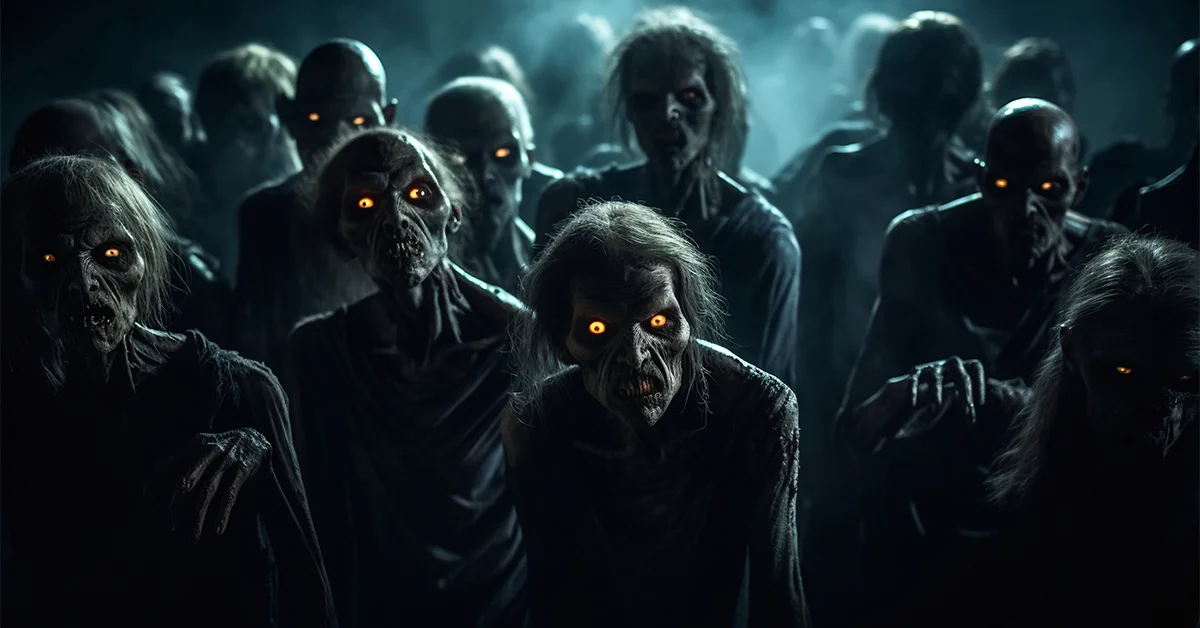
From zombies to Lickers, Hunters, Tyrants, and beyond, the T-Virus produces a disturbing range of mutations. You never quite know what form the virus will take next, which keeps fans on edge.
That unpredictability is terrifying because it mirrors real-world disease evolution: viruses mutate, adapt, and become something new—and sometimes something worse.
It Attacks Humanity at Its Core
The scariest part of the Tyrant Virus isn’t that it kills.
It’s that it changes you.
The idea of losing identity, consciousness, and humanity—while your body mutates into a monstrous form—is psychological horror at its finest. It takes the fear of death and pushes it into a more personal, intimate nightmare.
The Tyrants Themselves: Icons Of Gaming Horror
You can’t talk about the Tyrant Virus without talking about the abominations it creates—particularly the Tyrants, some of the most iconic monsters in Resident Evil history.
The Tyrant (T-001, T-002, and beyond)
These towering, nearly unstoppable monsters represent the ultimate worst-case scenario of the virus. Standing well over seven feet tall, with massive claws, exposed hearts, and relentless aggression, they embody everything frightening about bio-weapons.
Their design combines strength with grotesque deformity, creating monsters that are both terrifying and tragic.
Mr. X / T-00
Mr. X is arguably one of the most memorable enemies in gaming. His slow, heavy footsteps echo through hallways, and players never know exactly where he is. The suspense is suffocating.
His unstoppable pursuit amplifies anxiety, and knowing he’s a product of the same Tyrant Virus reinforces just how dangerous the virus is.
Nemesis
The Nemesis, another advanced Tyrant variant, became legendary due to his intelligence and persistence. His capacity to use weapons—especially that infamous rocket launcher—makes him feel less like a monster and more like a calculated hunter.
He represents evolution gone wrong, and that image is hard for fans to forget.
The Virus Evolves—And So Does The Fear
Resident Evil has a long history, and over the years, the Tyrant Virus has continued to evolve. Each new mutation or variant keeps the fear alive by introducing fresh horrors.
New Strains, New Nightmares
The virus doesn’t stay static in the lore. It branches into:
- G-Virus
- T-Veronica Virus
- T-Abyss
- And more
Each variant adds layers to the universe’s biological horror, showing how quickly things can spiral out of control.
Realism Keeps It Terrifying
Unlike supernatural horror, the Tyrant Virus is grounded in science. The explanations—while fictional—are close enough to real virology and genetic engineering to feel disturbingly plausible.
That scientific approach adds weight to the fear.
Atmospheric Storytelling: How Resident Evil Makes The Virus Scary
Environmental Horror
From abandoned labs to infected cities, the places shaped by the virus are drenched in atmosphere. Ruined scientific facilities filled with notes and experiments gone wrong paint a clear picture: humanity pushed too far, and nature pushed back.
Audio and Visual Design
The grotesque visuals of mutated creatures, the eerie silence before an encounter, and the unsettling sounds of infection contribute to the immersion. When horror feels close, players feel the virus’s presence even without seeing it.
Emotional Impact
Characters like Lisa Trevor, William Birkin, and the victims of Raccoon City show the heartbreaking consequences of Umbrella’s experiments. The virus isn’t just a plot device—it’s a tragedy.
Nostalgia And Legacy: A Fear Passed Down Through Generations
Fans who played the original Resident Evil games in the 1990s grew up with the fear of the Tyrant Virus. Those emotional memories carried into adulthood, creating nostalgia mixed with dread.
As new remakes introduce the virus to modern audiences with updated graphics and gameplay, the legacy continues. The fear feels both new and familiar.
The Human Element: Why The Tyrant Virus Hits So Hard
The real horror behind the Tyrant Virus isn’t just the monsters—it’s the people responsible for them. Umbrella’s cold, corporate decisions and disregard for life mirror real-world stories of unethical experimentation and corporate greed.
This makes the virus feel like a symbol of human failure, not just a fictional bio-weapon.
Why The Tyrant Virus Still Matters Today
Even after decades of games, movies, books, and spinoffs, the Tyrant Virus remains one of the most frightening fictional viruses ever created.
It continues to matter because:
- It shaped the identity of the Resident Evil franchise
- It connects all the major storylines
- It resonates with real-world fears
- It evolves with each generation of players
- It remains unpredictable, tragic, and horrifying
Fans still fear it because it represents something deeper than a monster: it symbolizes what happens when human ambition replaces morality.
Conclusion
The Tyrant Virus remains terrifying not just because of the monsters it creates, but because of everything it represents. It taps into real fears—scientific, psychological, and emotional—while driving some of the most iconic moments in survival-horror history. Its unpredictability, its tragic consequences, and its connection to unforgettable characters make it a timeless source of dread.
As long as Resident Evil exists, the Tyrant Virus will continue haunting fans. Its legacy is carved into the DNA of the franchise, and its terror shows no signs of mutating away.
ALSO READ: FScore Incredibox Tips: Craft Better Beats Fast
FAQs
What is the Tyrant Virus in Resident Evil?
The Tyrant Virus is a fictional bio-weapon created by the Umbrella Corporation to develop powerful, enhanced soldiers. Instead, it produces dangerous mutations like zombies, Lickers, and Tyrants, becoming one of the main threats in the series.
Why is the Tyrant Virus still scary today?
It blends scientific realism with unpredictable mutations, tapping into real-world fears about outbreaks, biotechnology, and losing control of the human body.
Who are the most famous Tyrant Virus creatures?
Some of the most iconic include Mr. X, Nemesis, the original Tyrants, and the many zombies and monsters created by the virus throughout the series.
Does the Tyrant Virus change in different games?
Yes, the virus mutates into different strains like the G-Virus and T-Veronica Virus, each introducing new horrors and expanding the story depth.
Can the Tyrant Virus be cured in the Resident Evil universe?
There are temporary cures and vaccines in certain storylines, but the virus continues to evolve, making complete eradication nearly impossible within the lore.