
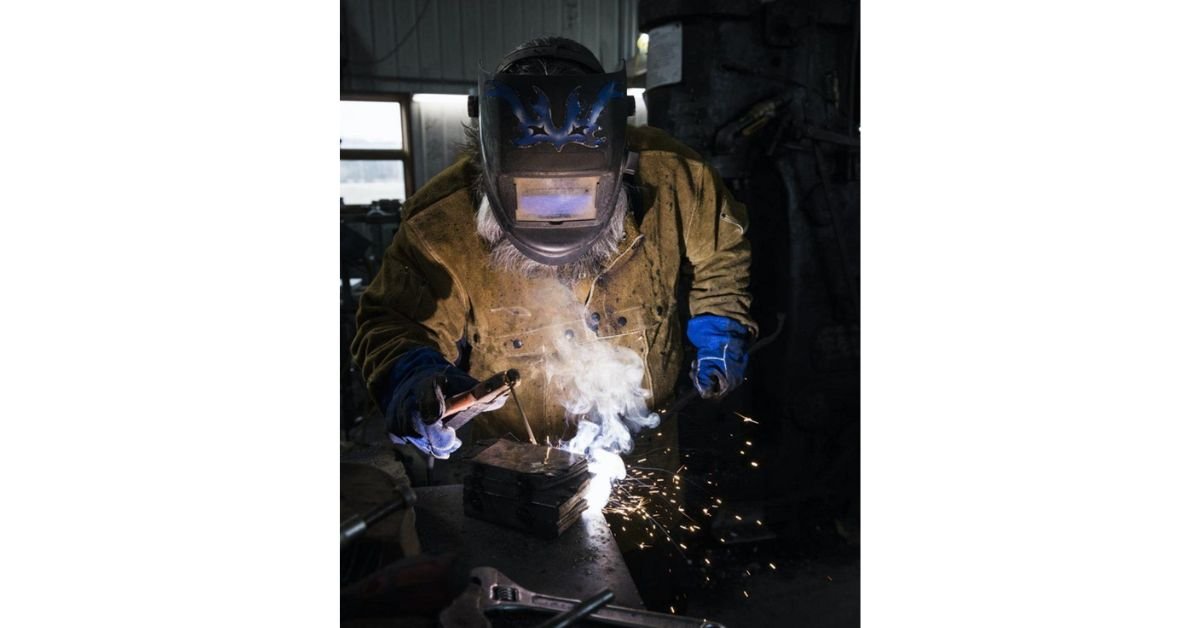
Laser welding is transforming manufacturing with unmatched speed, precision, and efficiency. From automotive to aerospace, industries worldwide rely on laser welding equipment to join materials with minimal distortion. Yet, with these advantages comes a higher responsibility: ensuring operator safety.
Unlike conventional welding, laser systems introduce unique risks—powerful invisible beams, intense heat, hazardous fumes, and electrical dangers. Without strict adherence to safety standards, these risks can quickly lead to injury, costly downtime, or compliance violations.
In this article, we’ll explore the critical safety standards every operator must know, the role of regulations, and the practical measures that create a safe and productive workplace.
Regulatory Foundations & Safety Standards
The foundation of laser welding safety is built on global standards that outline exposure limits, safety programs, and hazard classifications.
- ANSI Z136.1 – Safe Use of Lasers: The cornerstone standard in the U.S., detailing exposure limits, hazard zones, and safety program requirements.
- ANSI Z136.9 – Safe Use of Lasers in Manufacturing Environments: A must for industrial setups using Class 3B and Class 4 lasers.
- OSHA Regulations: PPE standards (29 CFR 1910.132, 1910.133) and general laser hazard provisions ensure worker protection.
- IEC 60825-1: An international standard covering laser classification and safety compliance.
- European Norms: EN 207 (eye protection) and EN 60825 (classification).
- FDA Requirements: For Class IIIb and Class IV systems—mandating safety features like emission delays, interlocks, and key switches.
These standards aren’t optional—they form the baseline for compliance and liability protection. Companies that adopt them not only safeguard workers but also reduce risks of fines or litigation.
Laser Classification & Controlled Areas
Not all lasers are created equal. The risks vary dramatically by classification:
- Class I & II: Generally safe under normal use.
- Class IIIa/3R: Moderate risk, requiring basic precautions.
- Class IIIb: Higher hazard, capable of eye injury from direct exposure or reflections.
- Class IV: The most dangerous—posing risks of severe eye and skin injuries, fire, and burns even from scattered reflections.
Because laser welding equipment almost always falls into Class 3B or Class 4, workplaces must establish Laser Controlled Areas (LCAs). These zones:
- Restrict unauthorized access.
- Require protective barriers or curtains.
- Display warning signage with hazard class and PPE requirements.
- Provide emergency shutoff switches accessible to operators.
Proper designation of LCAs ensures operators remain aware of boundaries and risks.
Roles & Documentation
A robust laser safety program isn’t complete without proper roles and documentation.
- Laser Safety Officer (LSO): Every facility operating Class 3B or 4 lasers must appoint an LSO responsible for hazard evaluations, SOPs, signage, and training.
- Documented Safety Program: Includes exposure limits, PPE protocols, maintenance schedules, and emergency procedures.
- Warning Signage: Clearly displays hazard classification, required PPE, and LSO contact details.
By formalizing roles and documentation, companies move beyond ad-hoc practices and create a culture of accountability.
Personal Protective Equipment (PPE)
Even with engineering controls, PPE is non-negotiable in laser welding environments.
- Eye Protection
- Use eyewear designed for the specific laser wavelength.
- Ensure the Optical Density (OD) rating matches ANSI Z136.1 and EN 207 standards.
- Helmets with integrated filters can be used, but redundant protection (eyewear under helmet) is highly recommended.
- Protective Clothing
- Flame-resistant jackets, aprons, and pants.
- Heat-resistant gloves for handling materials.
- Full coverage (face shields, long sleeves) to protect against sparks and reflections.
- Respiratory Protection
- Required when welding produces fumes, gases, or fine particulates.
- Systems should comply with OSHA respiratory standards.
The right PPE reduces exposure risk significantly and ensures compliance with regulatory requirements.
Operational Practices & Engineering Controls
Engineering controls serve as the first line of defense in laser welding safety:
- Machine Guarding & Interlocks: Prevents exposure to stray beams by shutting down when panels are opened.
- Automatic Shutdown Systems: Engage during irregular operation or system failures.
- Lockout–Tagout (LOTO): Ensures lasers are fully powered down during maintenance.
- Beam Alignment Protocols: Operators should avoid reflective surfaces and follow SOPs for minimizing retroreflection risks.
- Regular Maintenance: Inspections of optics, cooling systems, and PPE integrity reduce risks of malfunction.
Adopting these practices makes the environment inherently safer—reducing reliance on PPE alone.
Training & Competency
Knowledge is just as important as physical barriers. Comprehensive training programs should include:
- Initial and Refresher Training: Covering hazards, PPE usage, emergency response, and regulatory updates.
- Role-Specific Modules: LSOs, operators, and maintenance staff should each receive tailored instruction.
- Annual Certifications: Reinforcing competency and documenting compliance.
- Invisible Hazard Awareness: Operators must understand that IR and UV beams can be invisible but highly dangerous.
Training empowers operators to recognize risks before they escalate into incidents.
Fire Safety & Environmental Controls
Class 4 laser welding systems generate enough heat to ignite materials. Preventive measures are essential:
- Fire Barriers & Curtains: Flame-resistant materials protect adjacent areas.
- Material Storage: Keep combustible materials away from welding zones.
- Fire Extinguishers: Ensure Class C and D extinguishers are readily accessible.
- Ventilation Systems: Reduce buildup of fumes, gases, and particulates.
- Emergency Response Protocols: Align with ANSI Z136.1 and NFPA 51B standards.
A strong environmental control plan ensures both safety and compliance.
Incident Management & Continuous Improvement
Even with precautions, incidents can happen. A proactive incident management system ensures organizations learn and adapt.
- Incident & Near-Miss Reporting: Encourages open communication without blame.
- Audits & Safety Checks: Routine inspections verify compliance.
- Corrective Actions: Implemented in partnership with the LSO.
- Continuous Policy Updates: Reflect new standards, technologies, and lessons learned.
This culture of continuous improvement keeps safety aligned with evolving technology pioneer.
Where Equipment Choice Meets Safety
Not all safety comes from protocols—your choice of laser welding equipment matters too. Modern systems often integrate:
- Built-in interlocks and emission delays.
- User-friendly controls that reduce operator error.
- Cooling and ventilation systems that mitigate heat and fumes.
- Compact, ergonomic designs that improve operator comfort and reduce fatigue.
For example, the Denaliweld laser welding equipment is designed with advanced safety features aligned with ANSI and IEC standards, making compliance easier while enhancing productivity. By choosing equipment that prioritizes safety in design, organizations reduce their training burden and protect operators more effectively.
Conclusion: Safety Is an Investment, Not a Burden
The benefits of laser welding—speed, precision, and cleaner results—are undeniable. But these benefits can only be realized when safety is placed at the forefront. From regulatory standards and PPE to training and incident management, every step plays a vital role in protecting operators and maintaining productivity.
By implementing these safety standards and choosing well-designed laser welding equipment, manufacturers not only comply with regulations but also build a safer, more resilient workplace.