
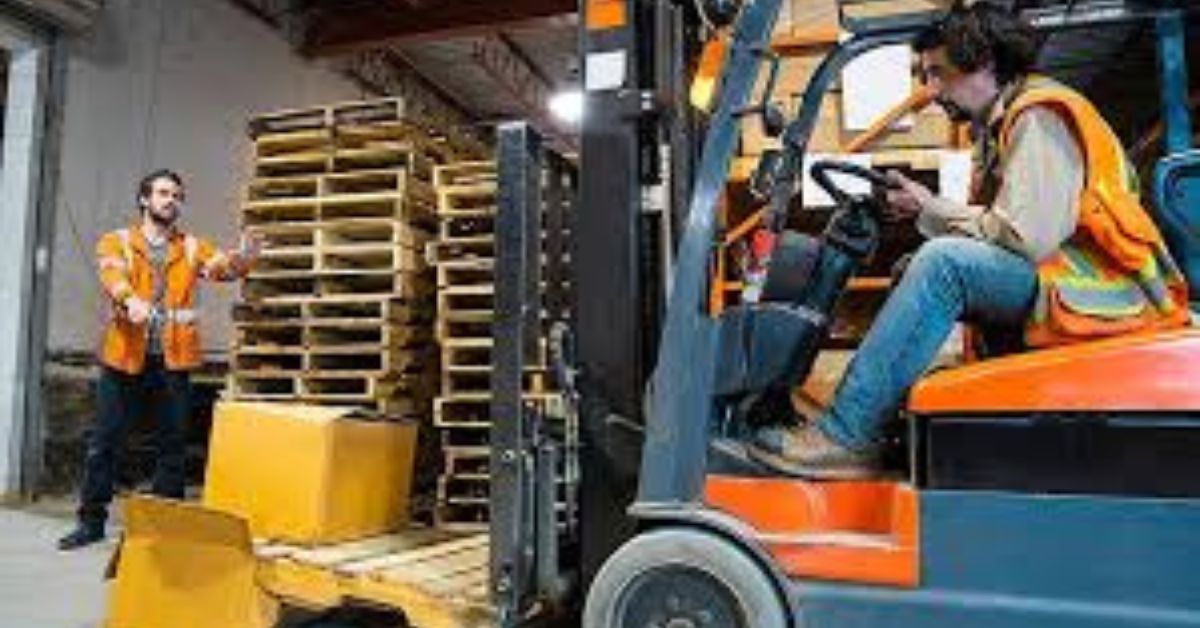
Forklifts have become a critical part of operations in warehouses, construction sites, and manufacturing facilities, improving efficiency and reducing manual labor. Despite their value, forklift accidents remain a leading cause of workplace injuries. To reduce these risks, investing in proper forklift training and following robust safety protocols is an essential step for every organization to protect its workforce and assets.
Implementing layered safety measures ensures that both operators and nearby workers are protected. Each layer, from personnel instruction to the deployment of new technologies, contributes to a safer, more efficient work environment. Cultivating a culture of safety not only minimizes injury risks but also helps safeguard investments in equipment and materials.
Comprehensive Training and Certification
Effective forklift safety begins with robust operator training. OSHA mandates that all forklift operators obtain certification specific to the type of equipment they use. This training should include detailed instruction on machinery functions, load handling, and awareness of workplace hazards. Refresher training every few years ensures operators stay up to date on best practices and regulatory changes, which can dramatically reduce avoidable accidents and operational disruptions. According to the National Safety Council, ongoing education is a vital component in reducing workplace incidents involving forklifts.
Regular Equipment Inspections
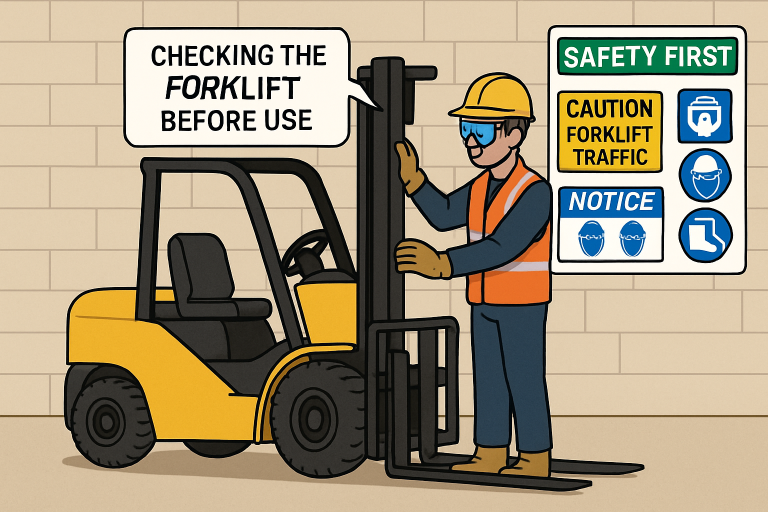
Conducting thorough inspections before each shift uncovers faulty parts or worn safety systems before they escalate into more serious problems. Operators should check fluid levels, brakes, hydraulic systems, lights, alarms, and tires, and report any faults immediately. Equipment found to have faults must be taken out of service until repairs are completed. Regular inspections are required by law and contribute to long-term cost savings by preventing excessive wear that leads to expensive breakdowns.
Maintaining Clear Visibility
Visibility is critical for forklift safety. Operators should avoid stacking loads too high and should move in reverse when visibility is blocked by oversized loads. Modern workplaces are increasingly utilizing mirrors and camera systems to address blind spots and facilitate safer maneuvering in complex environments. Ensuring well-lit warehouses, regularly clearing aisles, and maintaining unobstructed lines of sight are best practices recommended by safety authorities.
Adhering to Speed Limits and Safe Maneuvering
Many workplace forklift accidents stem from excessive speed or improper handling. Forklift operators should always be mindful of posted speed limits and avoid making sharp turns or sudden stops, especially when carrying loads. Safe maneuvering reduces the risk of tip-overs and loss of load stability. Proper signage and floor markings for speed zones and caution areas are straightforward measures that prevent speeding and accidents in busy facilities.
Utilizing Personal Protective Equipment (PPE)
Personal protective equipment is essential for minimizing injuries. Operators should wear hard hats, high-visibility vests, protective eyewear, steel-toed boots, and gloves whenever operating or working near forklifts. PPE is the last layer of defense, mitigating harm from dropped materials or accidental contact with equipment. Regular safety audits should verify PPE compliance across work shifts and roles.
Implementing Technological Advancements
Technology offers innovative ways to enhance forklift safety. Sensor systems can automatically detect nearby obstacles, signal operators, and even trigger automatic braking in critical situations. Telematics platforms monitor operator behavior and machine performance in real time, allowing supervisors to identify risky practices and schedule timely maintenance. Integration of advanced tools, such as RFID tracking and safety light curtains, is becoming standard in safety-conscious organizations and has been shown to significantly reduce workplace accident rates.
Establishing Clear Communication and Signage
Communication is especially important in environments where people and machinery operate together. Standardized hand signals, audible alarms, and adequate signage help prevent miscommunication and accidents. Workplaces should clearly define pedestrian walkways and forklift routes, with visible floor markings and posted signs at intersections and shared spaces. Consistent communication protocols foster awareness and cooperation, further reducing the risk of collisions or injuries.
Conclusion
Maintaining a safe working environment with forklifts requires a proactive, layered approach that starts with comprehensive training and extends to daily routines and infrastructure investments. By reinforcing best practices, leveraging technology, and fostering open communication, businesses can significantly mitigate risks and create an environment where operators and materials move efficiently and safely. Ultimately, these efforts not only fulfill regulatory requirements but also promote a resilient, productive workforce and a safer workplace for all.