
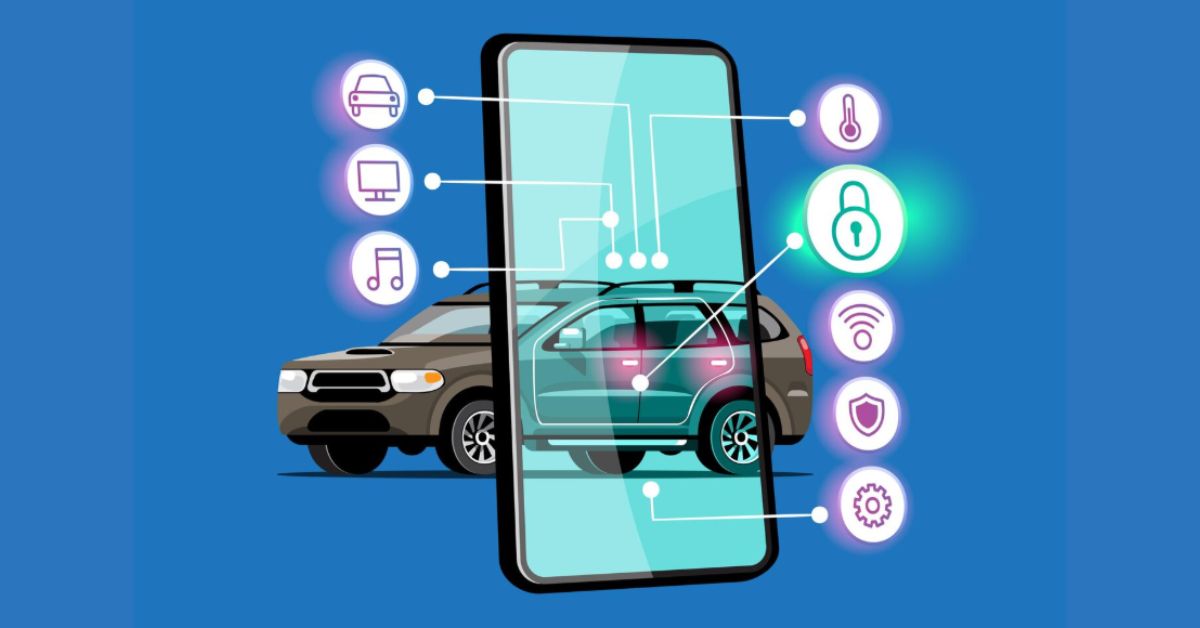
Car buying in 2026 is a nuanced process that combines time-tested approaches with innovative technologies. As the auto market evolves, consumers must adapt by staying up to date on key trends and using digital resources. Whether you are seeking the best price, comparing hybrid and electric options, or navigating online purchases, being informed is more critical than ever. Learn more about available models and current offers to begin your search equipped with the latest information.
Today’s car shoppers are more empowered than ever. From understanding manufacturer shifts to accessing reviews and dealer inventories online, buyers can approach their purchase with heightened confidence. The evolution in how vehicles are bought and sold continues to transform the experience. Making the most of these advancements will help you find a car that suits your needs and budget.
Understanding Market Trends
Automotive markets in 2026 are shaped by both global events and changing consumer habits. Automobile manufacturers responded to tariff changes and supply chain disruptions by ramping up sales of specific models, leading to a noticeable surge in new-vehicle sales and creating shortages of cars under $30,000. Because of this, savvy shoppers should track major economic news and industry reports to capitalize on the best opportunities as they arise. Reliable market forecasting sites like Edmunds can provide updates for those ready to buy.
Being aware of these trends is crucial, whether you wish to understand why prices are fluctuating or which models may become scarce. With many buyers turning to slightly used or certified pre-owned vehicles because of tighter new car inventories, being flexible in your search and starting early in the buying season can help you avoid missing out.
Leveraging Digital Tools
The modern car shopper uses various digital tools to enhance the experience. Websites and mobile apps offer price comparisons, inventory checks, customizable searches, and advanced filters that sharpen the hunt for the right vehicle. Surveys show that 83% of customers prefer completing more steps online, including viewing digital showrooms, evaluating financing options, and arranging test drives, before ever speaking with a salesperson.
Digital resources do not just make comparison shopping easier; they also allow you to gather vehicle history reports, cost-of-ownership estimates, and dealership ratings. Leveraging these resources provides more transparency throughout the process and gives buyers more negotiating power at every stage.
Timing Your Purchase
The timing of your purchase can affect your final price. Shopping towards the end of the year, especially in December, remains one of the most effective ways to save money. Dealerships are motivated to clear out existing inventory to meet annual sales targets and make room for incoming models, which translates into deeper discounts, rebates, and special financing offers. Keeping an eye on manufacturer incentives and local dealer events throughout the year can also help you catch lesser-known promotions, as highlighted on trusted outlets like Cars.com.
Exploring Affordable Options
With vehicle prices at multi-year highs, many consumers are turning their attention to smaller sedans and compact SUVs. These options provide value without sacrificing practical features or reliability. Smaller vehicles also tend to offer lower insurance costs and higher fuel efficiency, making them appealing for budget-conscious shoppers. Market analysts have noted that as more buyers prioritize affordability and cost of ownership, compact models have increased their market share within both new and pre-owned categories.
Considering Hybrid and Electric Vehicles
Interest in hybrid and electric vehicles continues to soar, driven by record-high fuel prices and a growing commitment to sustainability. Hybrid vehicle sales have jumped 43% year over year as buyers seek to reduce their carbon footprint and control spending at the pump. The expanding lineup of hybrids and EVs, in a broader range of sizes and price points than ever before, now includes many models eligible for federal and state incentives, making them a practical, forward-thinking option for everyday drivers.
Navigating Online Purchases
Entirely online car buying has become mainstream, with digital platforms offering vehicles from a variety of manufacturers. In 2026, Amazon began offering Hyundai vehicles directly, reflecting the shift toward frictionless transactions that blend digital convenience with traditional dealership support for delivery and after-sales service. For buyers, this means less time spent at the dealership and more opportunities to choose vehicles and finalize paperwork from anywhere.
Utilizing Expert Reviews
Expert reviews offer essential insight into vehicle quality, safety, and long-term reliability. Third-party evaluators, such as Consumer Reports and Car and Driver, perform detailed testing and provide impartial ratings. By consulting these sources during your search, you can better gauge the overall value of different vehicles and make decisions based on real-world data rather than marketing claims or anecdotal opinions.
Conclusion
Shopping smart for cars in 2026 means more than just finding the right price. It involves monitoring market trends, embracing helpful digital tools, timing your purchase for maximum savings, exploring budget-friendly options, and taking eco-friendly choices seriously. With online buying, expert advice, and up-to-date resources at your disposal, you can approach your purchase prepared to navigate the evolving landscape and drive home in a car that suits both your needs and your budget.