
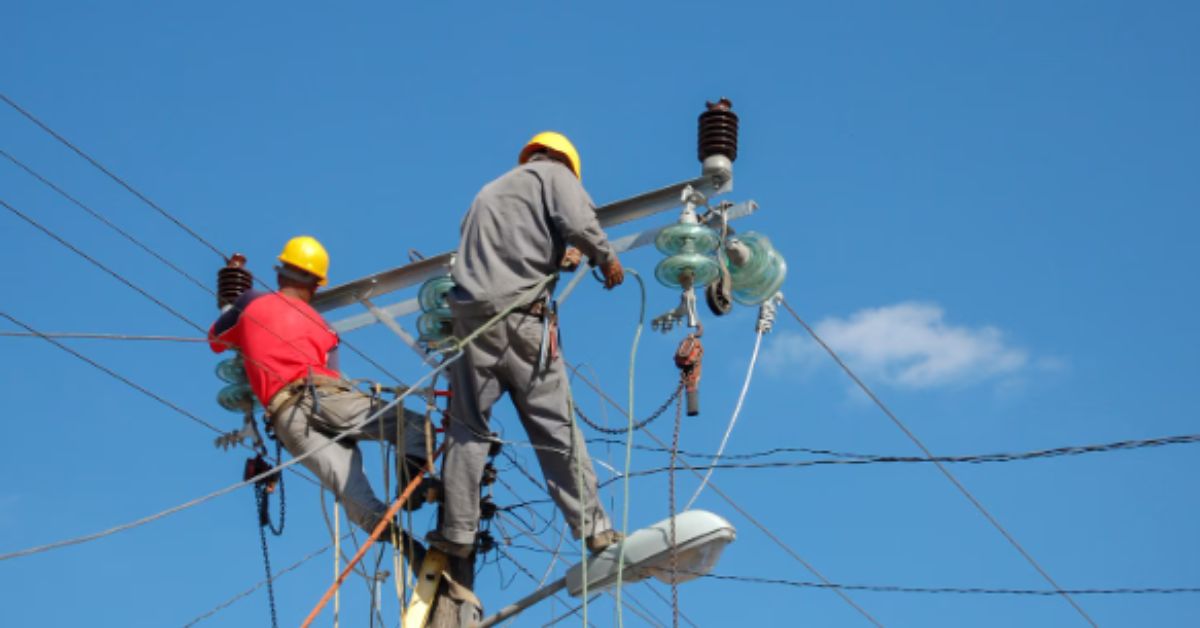
Proper grounding in commercial electrical systems is a critical aspect that ensures safety, operational efficiency, and regulatory compliance. Grounding serves as a foundational element in the design and functioning of electrical installations within commercial buildings. Without appropriate grounding, electrical systems become vulnerable to a range of hazards, including electrical shocks, equipment damage, and fire risks. Furthermore, grounding protects not only the building’s infrastructure but also the people working and visiting the premises.
As commercial facilities often have complex electrical needs and numerous devices connected to the system, ensuring correct grounding methods is essential for maintaining system integrity and uninterrupted business operations. Hiring a reliable electrician in Fort Pierce can help ensure these grounding methods are properly implemented. We will explore why proper grounding is crucial and how it affects various facets of commercial electrical systems.
Key Reasons Why Proper Grounding Is Essential in Commercial Electrical Systems
- Enhances Safety for Occupants and Equipment
One of the primary purposes of grounding is to protect individuals from electrical hazards. Grounding provides a safe path for stray electrical currents to flow into the earth, preventing accidental shocks or electrocution. In commercial settings where employees and customers regularly interact with electrical devices, this safety measure is vital. Improper or insufficient grounding can lead to dangerous voltages appearing on metal parts of equipment or structural elements, posing serious injury risks.
Additionally, grounding safeguards electrical equipment by preventing damage caused by electrical surges or faults. When electrical systems experience short circuits or lightning strikes, the grounding system absorbs and redirects excess electricity, minimizing the likelihood of equipment failure and costly repairs. To achieve this level of reliability, many businesses often turn to electrical design build services, which can integrate the planning and installation of grounding systems into a single, streamlined process. This approach tends to ensure that safety considerations are addressed from the very beginning, potentially resulting in systems that are both compliant and durable. The presence of an effective grounding system can also reduce the chances of fires caused by electrical faults, which are a common cause of property damage in commercial buildings.
- Ensures Reliable Operation of Electrical Systems
Beyond safety, proper grounding plays a crucial role in maintaining the reliable performance of electrical systems within commercial buildings. Grounding stabilizes voltage levels by providing a reference point for the electrical circuit. This stabilization helps prevent unexpected voltage fluctuations that can disrupt sensitive electronic devices and machinery, a common issue in many commercial operations. Unstable voltage levels can cause equipment malfunctions, data loss, and even system shutdowns, which lead to productivity losses.
By grounding the electrical system correctly, businesses can maintain smooth and continuous operation of critical infrastructure such as computers, security systems, HVAC units, and lighting. Furthermore, grounding reduces electrical noise and interference, which can negatively impact communication systems and other electronic controls. The consistency that proper grounding offers is invaluable for commercial environments where precision and continuity are essential.
- Compliance with Electrical Codes and Standards
Commercial electrical systems must adhere to strict regulations and codes designed to promote safety and functionality. Grounding requirements are a fundamental part of these electrical codes, including the National Electrical Code (NEC) and local jurisdictional standards. Ensuring proper grounding helps commercial properties pass inspections and avoid penalties, delays, or costly rework. The codes specify the materials, installation methods, and grounding electrode systems necessary to establish an effective ground connection.
Following these regulations not only meets legal obligations but also aligns with industry-recognized safety practices. Failure to comply with grounding requirements can result in liability issues in the event of accidents or damage. For commercial building owners and managers, investing in proper grounding solutions is a way to mitigate risk and protect assets by meeting regulatory expectations.
- Protects Sensitive Electronic Equipment from Damage
Many commercial operations depend heavily on sensitive electronic equipment such as computers, servers, medical devices, and industrial controls. These devices are particularly vulnerable to voltage spikes, transient currents, and electromagnetic interference. Proper grounding helps dissipate unwanted electrical energy and shield these electronics from damage caused by sudden electrical disturbances. Without a solid grounding system, voltage spikes can cause permanent harm to circuit boards, reduce the lifespan of equipment, or lead to data corruption. By providing a controlled path to earth for excess electrical energy, grounding ensures that sensitive components operate within safe electrical limits. This protection reduces maintenance costs, extends equipment life, and prevents costly downtime that can disrupt business functions. Grounding thus plays a preventative role that contributes to operational efficiency and cost savings in the long term.
- Facilitates the Operation of Protective Devices
Grounding also supports the proper functioning of protective devices such as circuit breakers and fuses. These devices rely on a grounded system to detect faults or abnormal currents in the electrical circuit. When a fault occurs, the grounding path allows current to flow safely to earth, enabling protective devices to identify and interrupt the circuit quickly. This rapid response prevents damage to wiring and equipment and reduces the risk of fire or injury. In commercial settings, where large electrical loads and complex wiring systems are common, the role of grounding in fault detection is vital. Proper grounding enhances the coordination and effectiveness of protective devices, maintaining system safety and reliability. Without correct grounding, protective devices may fail to operate properly, leaving electrical faults undetected and increasing the risk of serious incidents.
Proper grounding is a fundamental element of commercial electrical systems that cannot be overlooked. It safeguards people and property by preventing electrical shocks and fire hazards, while also ensuring the stable operation of equipment and systems essential to business activities. Grounding compliance aligns with legal standards and supports the functionality of protective devices designed to respond to electrical faults. Moreover, grounding protects sensitive electronics from damaging electrical disturbances, contributing to long-term cost savings and operational reliability. For commercial buildings, investing in proper grounding is not merely a regulatory obligation but a strategic priority that underpins safety, efficiency, and resilience.