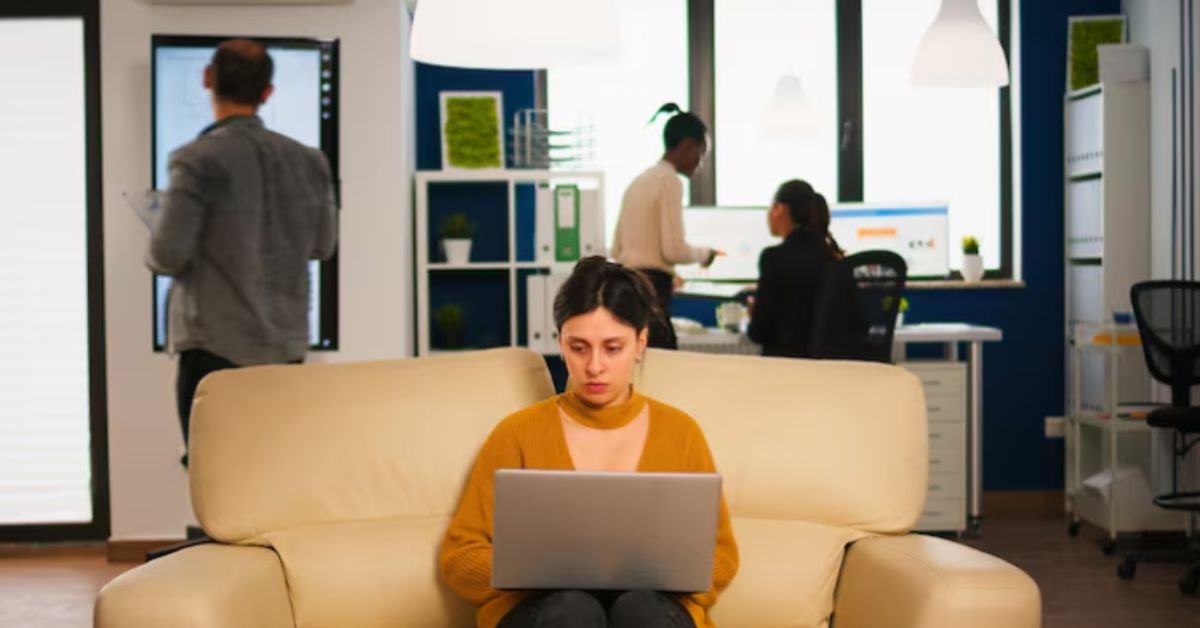
The way people work has undergone a remarkable transformation in recent years, fueled by advancements in technology and shifts in cultural expectations. Remote work, once considered a niche or occasional arrangement, has become a mainstream mode of employment. This change has reshaped how companies view office spaces, triggering a rethinking of traditional workplace environments. With many employees now performing their duties from home or alternative locations, the demand for conventional office space has altered dramatically. We will explore how the rise of remote work has influenced the market for office real estate and what this means for businesses, employees, and the future of workspaces.
How Remote Work is Reshaping Office Space Demand
- Reduction in Physical Office Requirements
As remote work gains traction, companies have found themselves re-evaluating the amount of physical office space they truly need. In particular, the demand for office space in Jersey City has shifted as businesses adapt to new work patterns. With fewer employees coming into the office daily, many organizations are downsizing their office footprints to cut costs. Leasing large, permanent office spaces is no longer a necessity when a significant portion of the workforce operates remotely. This reduction in space needs is encouraging a shift toward smaller, more flexible offices that cater to occasional in-person collaboration rather than full-time occupancy. The traditional model of assigning desks to every employee is being replaced with shared workstations or hot-desking, where desks are used by different employees on different days, optimizing space use.
- Increased Demand for Flexible and Shared Workspaces
While large, permanent office leases are decreasing, there is growing interest in flexible and coworking spaces that offer the benefits of an office environment without the long-term commitments. These spaces provide companies with the option to scale their workspace up or down depending on changing needs. For employees who prefer working outside their homes but do not require a permanent office, coworking spaces offer an alternative that balances productivity and flexibility. This trend supports a hybrid work model where employees can choose to work remotely, from a coworking location, or in the main office, contributing to a more dynamic and adaptive office space landscape.
- Impact on Commercial Real Estate Markets
The shift toward remote work is creating a ripple effect throughout commercial real estate markets. Cities that once thrived on large office occupancies are experiencing vacancies and reduced rental income. Property owners and developers are rethinking the value proposition of office buildings by incorporating amenities and designs that cater to the evolving needs of remote and hybrid workers. Features such as enhanced communal areas, health-conscious layouts, and technology-enabled meeting spaces are becoming more important. These adjustments aim to attract tenants by offering environments that support collaboration and innovation in a post-remote work era.
- Changing Employee Preferences and Work Culture
Remote work has also influenced employees’ preferences regarding where and how they want to work. Many workers value flexibility and autonomy, seeking environments that align with their lifestyle and productivity habits. This shift affects office demand as companies respond to workforce expectations by redesigning spaces to foster engagement when employees are on-site. Offices are becoming more about creating experiences—social interaction, team building, and creative collaboration—than merely providing desks. This cultural shift contributes to a demand for spaces that are welcoming, comfortable, and technologically equipped to support a mix of in-person and virtual work.
- Environmental and Economic Considerations
The reduced need for daily commuting and large office spaces has environmental benefits by lowering energy consumption and reducing traffic congestion. Organizations are increasingly aware of sustainability goals and how remote work can align with these objectives. Economically, businesses benefit from cost savings on rent, utilities, and maintenance by optimizing office space use. However, some cities face challenges due to decreased demand for commercial properties, impacting local economies and municipal revenues. The balance between economic benefits for businesses and broader community impacts is a developing consideration as remote work continues to shape office space demand.
- Technology as a Driver of Office Space Evolution
Advances in communication and collaboration technologies have enabled remote work to flourish, but they also redefine the purpose of physical office spaces. Offices now need to support seamless integration between virtual and in-person participation. Spaces equipped with video conferencing tools, interactive displays, and high-speed connectivity help bridge the gap between remote and onsite teams. This technological shift influences office design, with an emphasis on creating zones optimized for different activities—quiet focus, teamwork, or client meetings. The evolution of office space is closely tied to ongoing developments in digital tools that support flexible working arrangements.
The rise of remote work has fundamentally altered the demand for office space, prompting organizations to reconsider how and why physical workplaces are used. Companies are reducing traditional office sizes while embracing flexible, shared, and technologically advanced environments that support hybrid models of work. This transition reflects broader shifts in employee preferences, economic factors, and technological capabilities. The future of office space will likely continue evolving as remote work remains a significant element of how work is structured, requiring ongoing adaptation to meet the changing needs of businesses and workers alike.