Hey there, fellow travelers on the journey to health and wellness! Have you ever found yourself lying awake at night, thinking of everything you did that day or worrying about what’s coming for you tomorrow? You’re not alone; it can be difficult in today’s fast-paced world—where the line between work and leisure can also become blurred—to simply calm your thoughts and get some adequate sleep.
What if we told you that there exists a simple, yet powerful ancient practice that can help you guide your mind towards calmness to encourage restful sleep, and it will only take you a few minutes a night?
We are referring to pranayama, or breath control. It does not just mean breathing; it is a very helpful practice for regulating energy, calming the nervous system, and promoting a state of deep relaxation. When it comes to winding down before bed, there are even a few specific techniques that you’ll find are effective.
Let’s look at a few of my favorite pranayama practices to help flip your evenings from restless to restorative.
Why Breath Matters for Sleep
Before we jump into the techniques, let’s take a moment to understand why our breath is such a powerful sleeping aid. Our breath is connected to our autonomic nervous system, which has two main branches: sympathetic (our “fight or flight” response) and parasympathetic (our “rest and digest” response). When we are stressed or anxious, our sympathetic system is in overdrive. But by slowing and deepening our breath, we can switch on the parasympathetic system, allowing us to signal the body and mind that it is time to relax, unwind, and prepare for sleep.
Simple But Powerful: Pranayama Techniques for a Restful Night
Here are some very accessible and powerful pranayama techniques to use in your nightly ritual:
1. Abdominal Breathing (Diaphragmatic Breathing)
This is the basis of every decent breathing exercise, and it’s one of the best ways to calm your mind. Many of us are shallow chest breathers, which can lead to persistent low-grade stress. When you breathe with your abdomen, it tells your brain that you are safe.
- How to do it: Lie comfortably on your back, or sit up. Place one hand on your chest and one on your belly. Expand your belly like a balloon as you inhale and watch your hand rise. You want your chest to remain somewhat still. As you exhale, gently pull your navel towards your spine, forcing all of the air out.
- Why this helps: It stimulates the vagus nerve, which is the main nerve in the parasympathetic nervous system that starts to calm you and decrease your heart rate.
- When to do it: While we’d recommend starting with 5-10 minutes, you can start to add more time as you get more comfortable.
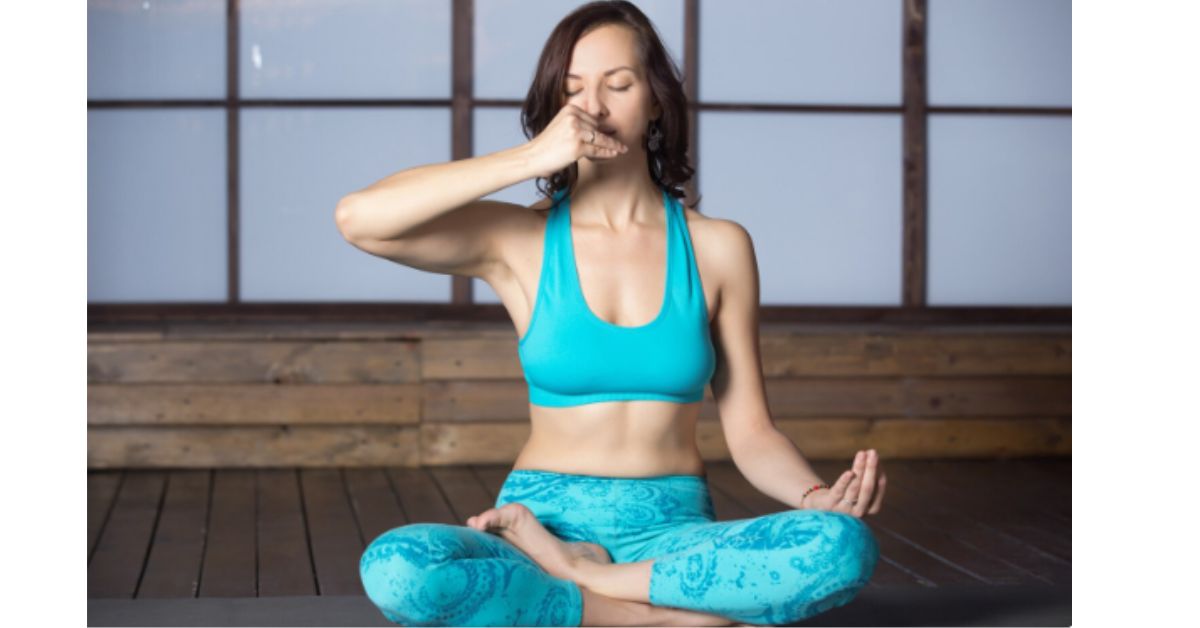
2. Nadi Shodhana (Alternate Nostril Breathing)
This is a lovely balancing exercise that purifies the energy channels (nadis) in the body and puts the mind in balance. It is especially useful if you are feeling anxious and want to bring clarity to your thoughts.
- How to practice: Find a comfortable seated position with an upright spine. With your right thumb, close the right nostril and slowly inhale through the left nostril. Then, close the left nostril with the ring finger, release the thumb from the right nostril, and slowly exhale through the right nostril. Now, inhale through the right nostril, close it with your thumb, release the ring finger from the left nostril, and exhale through the left. This is one round. Continue alternating nostrils.
- Why it helps: It helps to balance the left and right hemispheres of the brain, creating a more balanced and serene mind.
- When to practice: 5-10 rounds before bed can make a big difference.
3. Brahmari Pranayama (Humming Bee Breath)
This delightful technique involves a simple and fairly soft humming sound made during exhalation that leads to a subtle vibration in the head. We find it quite soothing and excellent in calming agitation of thoughts and anxiety.
- How to do it: Sit comfortably as you would for meditation. Close your eyes and gently close your ears with your thumbs or index fingers. Take a big breath in. As you exhale, make a low-pitched, continuous humming sound like a bee. Let the vibrations resonate throughout your head.
- Why it helps: The vibrational energy is calming to the brain and helps to lower levels of stress hormones and enters mindfulness if done long enough. It is also easy on the face and jaw for relaxing tension.
- When to practice: We find that 5-7 rounds of this is all that is necessary to feel the calming effects.
4. Chandra Bhedana (Moon-Piercing Breath)
While Nadi Shodhana balances, Chandra Bhedana is all about cooling and calming energy. “Chandra” is the moon, and this breath is said to cool the energy channel of the breathing, which is linked with coolness, receptivity, and relaxation.
- How to practice: Sit comfortably. Using your right thumb, close your right nostril. Inhale slowly and deeply through only your left nostril. After inhaling, bring your ring finger to close your left nostril, and release your thumb from your right nostril. Exhale fully and slowly through your right nostril. Continue doing this cycle, inhaling through the left nostril, then exhaling through the right nostril.
- Why it works: This practice is a great way to clear excess heat in the body and mind, calm a hyper-vigilant/active mind, and prepare for deep sleep.
- When to practice: Doing it for 5-10 minutes before bed can be extremely helpful for you, especially if you tend to feel restless or overheated.
Tips for Incorporating Pranayama into Your Nightly Routine
- Consistency is Important: Just 5-10 minutes of consistent practice each night will add up tremendously over time.
- Create a Sacred Space: Find a quiet, comfortable part of your home to practice, one where you will not be disturbed. Turn down the lights and enter your calm space. You may choose to light a candle, or if you love the scent, turn on an essential oil diffuser with calming, relaxing scents like lavender.
- Listen to Your Body: You can never force your breath. Always breathe gently and practice at your own pace.
- Let Go of Expectations: The goal is not to achieve a perfect state of being. Simply breathing with your breath and allowing yourself to relax. You will find it will be easier some nights than others.
- You can mix these Pranayama techniques with other practices: One option is to practice these breathing techniques after completing some gentle stretching exercises, after you’ve run a warm bath or had a warm shower. You can use two sensations to improve your relaxation.
Embrace the Power of Your Breath
Our breath is essentially limitless, reliable, and a means to help navigate life stressors. If you feel inspired to go beyond nightly breathwork and truly immerse yourself in yogic wisdom, a 200 hour yoga teacher training in Bali is one of the best ways to deepen your practice. You’ll not only explore pranayama in depth but also meditation, asanas, and the philosophy that ties it all together.
If you are wanting to get deeper into these traditions and learn how to connect to the healing benefits of yoga and breathwork in a calm and supportive environment, you might like to explore Maa Shakti Yog Bali’s retreats. They provide a full spectrum of learning for all levels to mend and discover your full wellness potential.
Sweet dreams and happy breathing!