
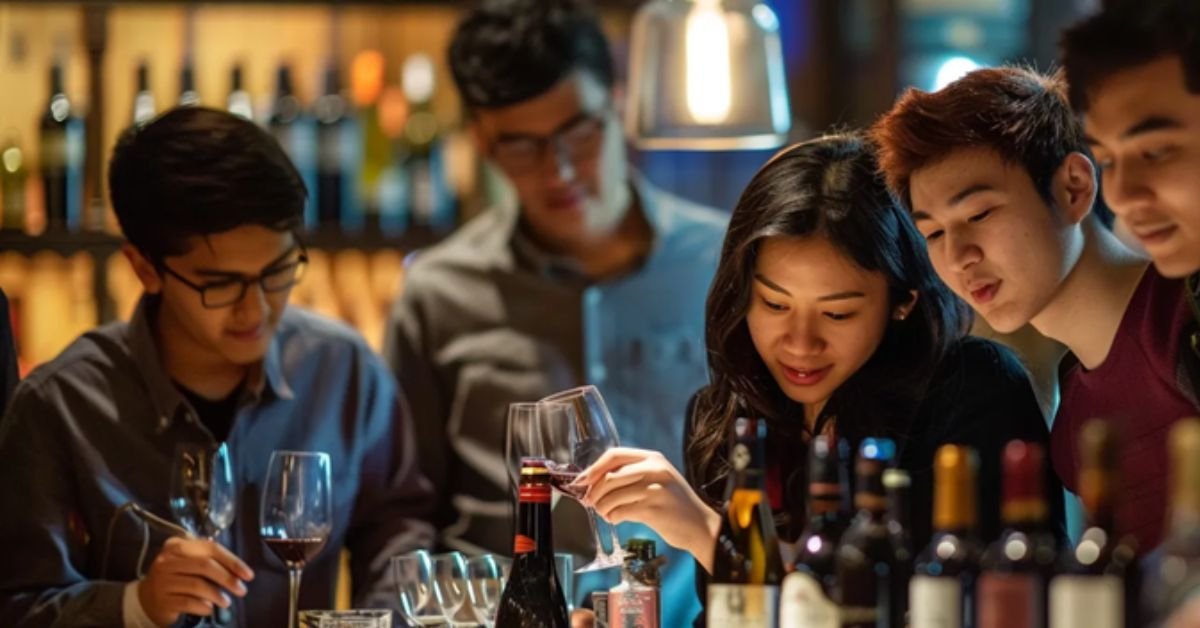
Welcome to the world of fine wines, where complexity brews in every glass and a wealth of knowledge underlies the surface of this sophisticated industry. Those who aspire to become connoisseurs of wine often turn their sights to professional training at a sommelier school, where the journey toward becoming a certified sommelier begins. Here, enthusiasts are transformed into experts, equipped with the skills to curate and serve wine with confidence and elegance. If you’re envisioning a future where the bouquet of a perfectly aged wine is part of your everyday vernacular, exploring what a sommelier school has to offer could be your next step. Below, we will delve into the multifaceted training you will experience and the opportunities that await upon graduation. Keep reading.
Uncorking Potential: The Essence of Sommelier Training

Becoming a sommelier requires mastering both the science and artistry of wine. At a sommelier school, students study viticulture, vinification, and the regions behind world-class vintages while refining their palates through guided tastings. This hands-on training helps them distinguish grape varietals, interpret labels accurately, and communicate a wine’s story with confidence.
Equally important are the skills in service and business. Trainees learn to recommend pairings that elevate dining experiences, manage cellars with precision, and understand the economics of wine, from procurement to sales. This balanced education prepares sommeliers to excel in hospitality and shape memorable gastronomic experiences.
Dive into the World of Wine: Curriculum Expectations at Sommelier School
Sommelier school blends theory with practice, beginning with structured wine tasting. Students learn to evaluate wines visually, aromatically, and on the palate, recognizing qualities such as body, tannin, acidity, and sweetness. This foundation builds their ability to assess wine quality with precision. The curriculum then explores grape varietals, their climates, and how terroir shapes flavor profiles. Training also covers appellation systems, labeling laws, and denominations of origin, equipping students to navigate the complexities of global wine production.
Equally vital are studies in viticulture and enology, giving sommeliers insight into grape growing and winemaking. With this knowledge, they can convey a wine’s journey from vineyard to bottle. Food and wine pairing completes the training, teaching future sommeliers to balance flavors and textures, enriching the dining experience for guests while showcasing their expertise.
Mastering the Art of Wine Tasting: Sensory Development and Analysis
One of the most engaging parts of sommelier education is the refinement of the palate. Students undergo intensive training to sharpen sensory analysis, developing the ability to detect even the faintest notes in aroma and flavor. Guided tastings with seasoned instructors play a vital role, teaching students how to articulate subtle sensations and apply the precise vocabulary needed to describe wine with clarity and depth. Blind tasting is also central to this training, pushing students to rely purely on their senses, break free from biases, and demonstrate their growing expertise—a skill tested rigorously in certification exams.
Beyond identifying flavors, students learn advanced evaluation techniques that define professional tasting. Programs focus on mouthfeel, structure, balance, and the ability to identify wine faults with accuracy. These details elevate a sommelier’s judgment from subjective enjoyment to objective analysis, enabling them to deliver reliable, expert assessments. Such refined skills are critical for those pursuing excellence in the wine industry, where a nuanced palate and precise evaluations distinguish true professionals.
The Business of Wine: Understanding Management and Service in Sommelier Education

Sommelier education extends far beyond tasting and pairing, equipping students with the skills to manage the business side of wine service. Training covers inventory and cellar management, where careful procurement and proper storage safeguard quality while meeting client demands across diverse price points. Students also learn to craft wine lists that balance guest preferences with profitability, developing strategies to enhance both customer satisfaction and sales performance.
Equally important is the focus on service and professionalism. Trainees practice guiding diners through selections, presenting rare vintages with precision, and applying etiquette that elevates the dining experience. The curriculum also emphasizes wine laws, responsible service, and ethical standards—core principles that establish trust and credibility in the industry.
Career Pathways After Sommelier Certification: What’s Next?
Earning a sommelier certification opens career paths across the food and beverage world. Many certified sommeliers thrive in fine dining, elevating guests’ experiences with expert pairings, while others step into wine education, leading workshops and classes for enthusiasts and professionals. The credential also holds strong value in retail, where sommeliers manage wine shops or distribution companies, applying their skills to anticipate customer preferences and market trends.
Beyond service and sales, some pursue hands-on roles in vineyards and wineries, contributing to production, quality control, or management. Others channel their expertise into wine writing and media, blending communication with deep industry knowledge to create content that resonates with both casual drinkers and seasoned experts.
Overall, the world of wine unveils a plethora of opportunities for those armed with the proper education and certification. Sommelier school is more than just learning about wine; it’s a gateway to a realm where passion meets profession, and every bottle tells a story waiting to be shared.