
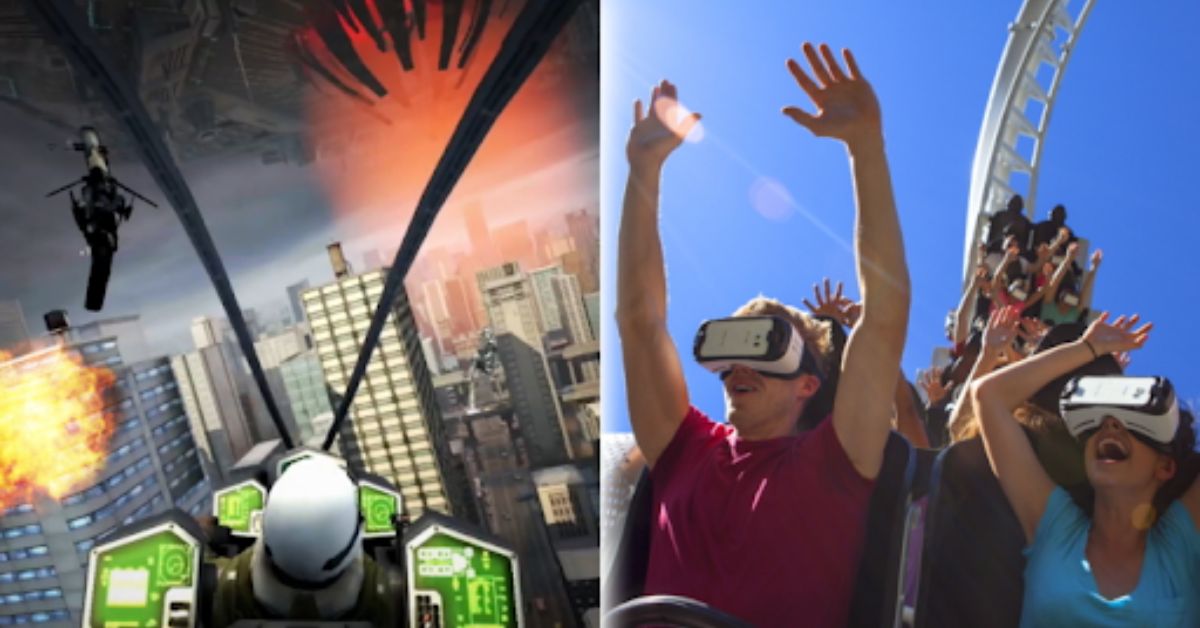
The thrill of a roller coaster has always fascinated adventure lovers, but not everyone has access to massive theme parks or the stomach for extreme physical rides. Thanks to rapid advances in virtual reality technology, thrill-seekers can now experience the excitement of high-speed drops, sharp turns, and breathtaking views from anywhere. A virtual roller coaster delivers all the adrenaline of a real ride combined with immersive digital environments, making the VR coaster experience one of the most exciting innovations in modern entertainment.
What Is a Virtual Roller Coaster?
A virtual roller coaster is a digitally simulated ride experienced through virtual reality headsets and motion platforms. Unlike traditional roller coasters that rely on physical tracks and mechanical movement, VR coasters use high-quality visuals, spatial audio, and motion synchronization to create a realistic sense of speed and motion. Riders feel as though they are soaring through futuristic cities, outer space, fantasy worlds, or extreme natural landscapes—all without leaving the room.
This blend of imagination and technology allows users to enjoy thrilling rides that would be impossible to build in the physical world.
How VR Coaster Technology Works
The immersive power of a VR coaster comes from the seamless integration of hardware and software. A VR headset places riders inside a 360-degree digital environment, while motion seats or platforms simulate movement, tilts, and vibrations. Advanced sensors track head and body movements, ensuring the virtual world responds naturally to the rider’s actions.
High frame rates and low-latency visuals are critical to creating a smooth experience and preventing motion discomfort. When done correctly, the result is a convincing illusion of speed, height, and gravity that rivals real-world roller coasters.
The Immersive Experience: Sight, Sound, and Motion
What truly sets a virtual roller coaster apart is immersion. Visuals are designed in high resolution with realistic lighting, depth, and animation. Riders can look in any direction and see detailed environments rushing past them. Surround sound audio enhances the thrill with wind effects, track noises, and dramatic music that matches the intensity of the ride.
Motion synchronization is the final piece. As the virtual coaster climbs, drops, or twists, the physical platform moves in harmony, tricking the brain into believing the experience is real. This multi-sensory approach makes VR coaster rides incredibly engaging.
Why Virtual Roller Coasters Are Gaining Popularity
The popularity of vr coaster experiences continues to grow for several reasons. First, accessibility plays a major role. People no longer need to travel to theme parks or wait in long lines to enjoy a thrilling ride. VR systems can be installed in arcades, entertainment centers, events, or even homes.
Second, safety is a key advantage. Riders can enjoy intense experiences without the physical risks associated with high-speed mechanical rides. This makes virtual roller coasters appealing to a wider audience, including those who may be hesitant to ride traditional coasters.
Endless Creative Possibilities
One of the biggest advantages of a virtual roller coaster is creative freedom. Designers are not limited by physics, materials, or construction costs. VR coasters can take riders through exploding volcanoes, deep oceans, alien planets, or magical kingdoms. Tracks can defy gravity, loop endlessly, or change direction mid-air.
This flexibility allows developers to continuously introduce new themes and experiences, keeping riders engaged and excited. Every ride can feel fresh, unique, and unpredictable.
Virtual Roller Coasters in Entertainment and Business
Beyond personal entertainment, VR coaster experiences are becoming popular in commercial settings. Amusement parks are integrating VR technology into existing rides to refresh attractions without rebuilding them. Family entertainment centers and VR arcades use virtual roller coasters as flagship experiences to attract visitors.
Businesses also use VR coasters for marketing and brand engagement. A customized virtual roller coaster can promote products, tell brand stories, or create unforgettable event experiences that leave a lasting impression on audiences.
Benefits Over Traditional Roller Coasters
While traditional roller coasters will always have their charm, VR coasters offer several advantages. They require less space, lower maintenance costs, and greater adaptability. A single VR setup can host multiple ride experiences, changing themes with a simple software update.
Additionally, virtual rides are more inclusive. People of different ages and physical abilities can enjoy a virtual roller coaster with adjustable intensity levels, making it suitable for families and diverse audiences.
The Future of VR Coaster Experiences
The future of VR coaster technology looks incredibly promising. As VR hardware becomes more advanced, experiences will feel even more realistic. Improvements in haptic feedback, motion platforms, and graphics will further blur the line between virtual and physical reality.
Artificial intelligence may also play a role, allowing rides to adapt in real time based on rider reactions. Personalized experiences could become the norm, with coasters that adjust speed, intensity, and storyline according to individual preferences.
Who Should Try a Virtual Roller Coaster?
A virtual roller coaster is perfect for thrill-seekers, gamers, families, and anyone curious about cutting-edge entertainment. It offers a safe yet exhilarating way to experience adventure without the physical constraints of traditional rides. Whether you want a heart-pounding experience or a visually stunning journey, VR coasters cater to all levels of excitement.
Conclusion
The virtual roller coaster represents a new era of immersive entertainment where technology meets imagination. By combining stunning visuals, synchronized motion, and interactive environments, the VR coaster delivers thrills that rival and sometimes surpass traditional rides. With endless creative possibilities, increased accessibility, and rapid technological advancements, virtual roller coasters are redefining how people experience excitement.
As VR technology continues to evolve, the immersive VR coaster ride will become even more realistic, engaging, and widely available. For anyone seeking the next level of adventure, stepping into a virtual roller coaster is an experience not to be missed.