
If you’ve ever moved houses, shifted to a new apartment, or even transported heavy furniture across town, you know how stressful it can be. From scratches on the dining table to dents in your refrigerator, moving takes a toll on both your belongings and your nerves. That’s where moving blankets come in—your unsung heroes of any relocation journey.
In this blog, we’ll explore what moving blankets are, why they’re important, how to use them, and whether they’re worth buying or renting. By the end, you’ll have a complete picture of how these padded protectors can save you time, money, and frustration during your next move.
So, What Exactly Are Moving Blankets?
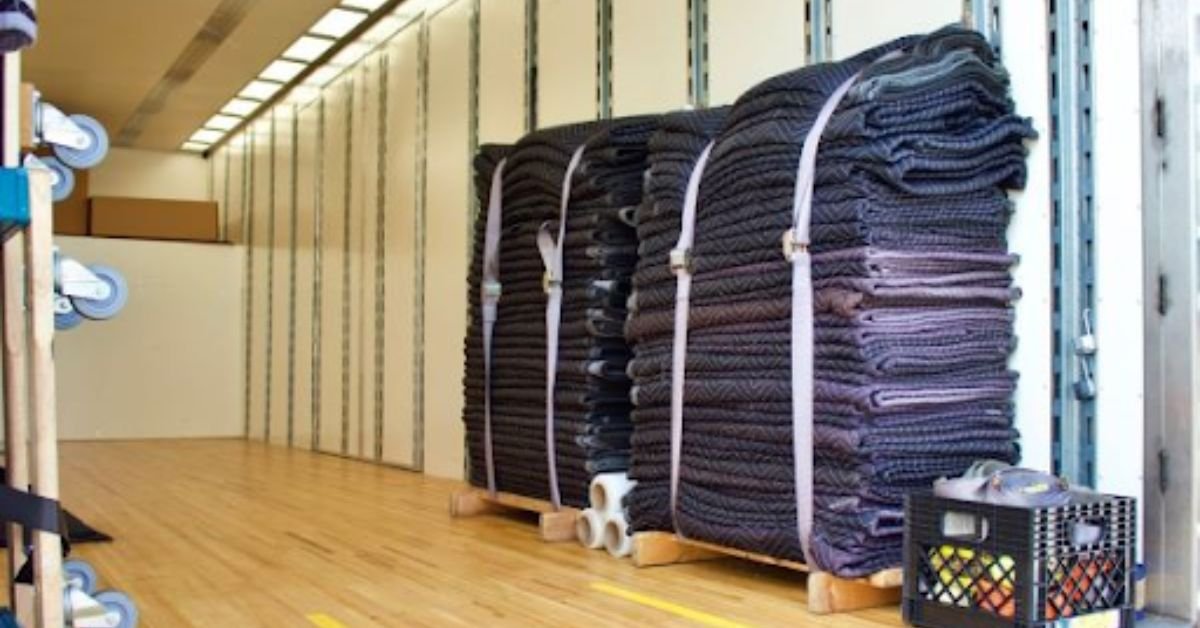
At first glance, moving blankets look like oversized, quilted comforters. But don’t let their appearance fool you—they’re designed for heavy-duty work. Moving blankets (sometimes called furniture pads) are thick, padded coverings used to wrap and protect furniture, appliances, and other items during transportation.
Unlike regular blankets or sheets, these are built with durable fabrics, multiple layers of padding, and reinforced stitching. Their job is to prevent scratches, dents, and other damage when your items are being shuffled around in trucks, stacked in storage, or carried through narrow doorways.
Think of them as armor for your belongings—soft enough to cushion but tough enough to handle bumps and scrapes.
Why Do You Need Moving Blankets?
If you’re wondering, “Can’t I just use my old bedsheets or comforters?”, here’s the truth: regular household blankets weren’t designed for the rigors of moving. They may slip off easily, tear during transport, or fail to provide adequate padding.
Here’s why moving blankets are the smarter choice:
- Protection from Scratches and Dents
Your furniture, appliances, and even fragile decor are vulnerable during moves. A single bump against a doorway can leave a permanent mark. Moving blankets provide a thick barrier that absorbs impact. - Prevention of Dust and Dirt
Moving often involves storage or long hours in dusty trucks. Blankets keep your items clean and free from grime. - Noise Reduction
Ever noticed the clanging sound of furniture in a moving truck? Blankets reduce noise by keeping items cushioned and still. - Versatility
They’re not just for furniture—you can use them to cover floors, protect walls, or even create makeshift padding when kneeling or crawling during setup. - Peace of Mind
When you know your expensive couch or grandmother’s antique table is wrapped securely, you can focus on the move instead of worrying about potential damage.
Types of Moving Blankets
Not all moving blankets are created equal. Depending on your budget and needs, you’ll find a few varieties on the market:
- Heavy-Duty Moving Blankets
- Thick, durable, and usually quilted with multiple layers.
- Ideal for large, heavy furniture and appliances.
- Often used by professional moving companies.
- Thick, durable, and usually quilted with multiple layers.
- Lightweight Moving Blankets
- Thinner and less padded.
- Suitable for smaller items or for protecting walls and floors.
- Great for DIY movers on a budget.
- Thinner and less padded.
- Disposable or Paper Moving Blankets
- Made from recycled material or thick paper pads.
- Best for one-time use or for protecting surfaces rather than padding fragile items.
- Made from recycled material or thick paper pads.
- Hybrid Blankets
- A mix of fabric and paper.
- Provide decent coverage at a lower cost.
- A mix of fabric and paper.
When choosing, think about how valuable your items are and how often you’ll reuse the blankets. If you’re moving frequently or storing items long-term, heavy-duty ones are worth the investment.
How Big Are Moving Blankets?
Most moving blankets come in standard sizes—usually around 72″ x 80″ (6 feet by 7 feet). This is large enough to cover most furniture like sofas, dressers, and refrigerators. However, you can also find smaller or oversized versions depending on your needs.
The weight of a moving blanket also varies. Professional-grade blankets may weigh between 6 to 8 pounds each, which ensures they stay in place better than lightweight alternatives.
How to Use Moving Blankets Properly
Okay, so you’ve got your stack of moving blankets. Now what? Here’s how to put them to good use:
- Wrap Furniture and Appliances
Place the blanket over your item and secure it with moving straps, stretch wrap, or packing tape. For large items like a fridge, you may need two or more blankets. - Protect Corners and Edges
Pay extra attention to sharp corners of tables or cabinets. Double-layer the blanket if needed. - Cover Floors and Walls
Lay blankets on the floor to prevent scratches when dragging heavy items. Tape them to walls in narrow hallways to avoid scuff marks. - Stack Safely in the Truck
Use blankets as padding between stacked furniture to prevent rubbing and damage. - Temporary Uses
- Lay one down to kneel on while assembling furniture.
- Use them as soundproofing in a noisy room.
- Even as a pet bed during the chaos of moving day!
- Lay one down to kneel on while assembling furniture.
Buying vs. Renting Moving Blankets
When planning your move, you’ll face a decision: should you buy moving blankets or rent them from a moving company?
- Buying
- Cost: $8–$20 per blanket depending on quality.
- Best for: People who move often, run small businesses (like furniture delivery), or want to use them for storage.
- Advantage: Reusable, multipurpose, and yours to keep.
- Cost: $8–$20 per blanket depending on quality.
- Renting
- Cost: Usually $1–$2 per blanket per day.
- Best for: One-time movers who don’t want to store bulky blankets afterward.
- Advantage: Cheaper upfront and no need for storage space.
- Cost: Usually $1–$2 per blanket per day.
Pro tip: If you’re moving on a budget but don’t want to compromise protection, consider buying a few heavy-duty blankets for valuable items and renting extras for the rest.
Are Moving Blankets Worth It?
In short: absolutely.
Think of it this way—repairing one scratched dining table or dented fridge can cost far more than investing in proper protection. Moving blankets save you from those costly accidents while also reducing stress during the move.
Plus, they’re not just limited to moving days. Many people keep them around afterward for uses like:
- Protecting furniture during renovations.
- Lining car trunks when transporting messy items.
- Creating a safe play area for kids or pets.
- Soundproofing a music room or home office.
So, even if you buy them, you’ll find plenty of uses beyond your move.
Myths About Moving Blankets
Let’s clear up some common misconceptions:
- “I can just use old sheets instead.”
Sheets won’t provide the same cushioning and may rip easily. - “They’re too expensive.”
Renting is affordable, and buying pays for itself in the long run. - “I only need them for fragile items.”
Even sturdy furniture can get damaged. A blanket adds insurance for everything. - “They’re hard to handle.”
Most are lightweight enough to manage, and securing them with straps makes the process simple.
Tips for Getting the Most Out of Moving Blankets
- Use Enough Blankets: Don’t skimp—cover every exposed area. A half-covered sofa can still get scratched.
- Secure Properly: A loose blanket is almost as bad as none. Always tie or tape it firmly.
- Double Up When Needed: For glass tables or expensive electronics, add an extra layer for peace of mind.
- Label Wrapped Items: Once wrapped, it’s easy to forget what’s inside. Add sticky notes or tape with descriptions.
- Clean Before Storing: If you buy them, wash and dry before storing to avoid odors or dust buildup.
Eco-Friendly Side of Moving Blankets
Here’s something you may not have considered: many moving blankets are made from recycled cotton, polyester, or other fabrics. By choosing reusable blankets instead of disposable plastic wraps, you’re reducing waste and making your move a little greener.
Some rental companies also ensure their blankets are cleaned and reused multiple times, extending their lifespan. That’s a win for both your wallet and the environment.
Final Thoughts
Moving blankets might not be the most glamorous part of your relocation plan, but they’re certainly among the most essential. Whether you’re protecting a prized heirloom, keeping your appliances scratch-free, or simply trying to reduce stress, these padded protectors do the job beautifully.
If you’re moving soon, don’t overlook them. Think of moving blankets as an affordable insurance policy for your belongings. Trust me—your furniture (and your sanity) will thank you.