
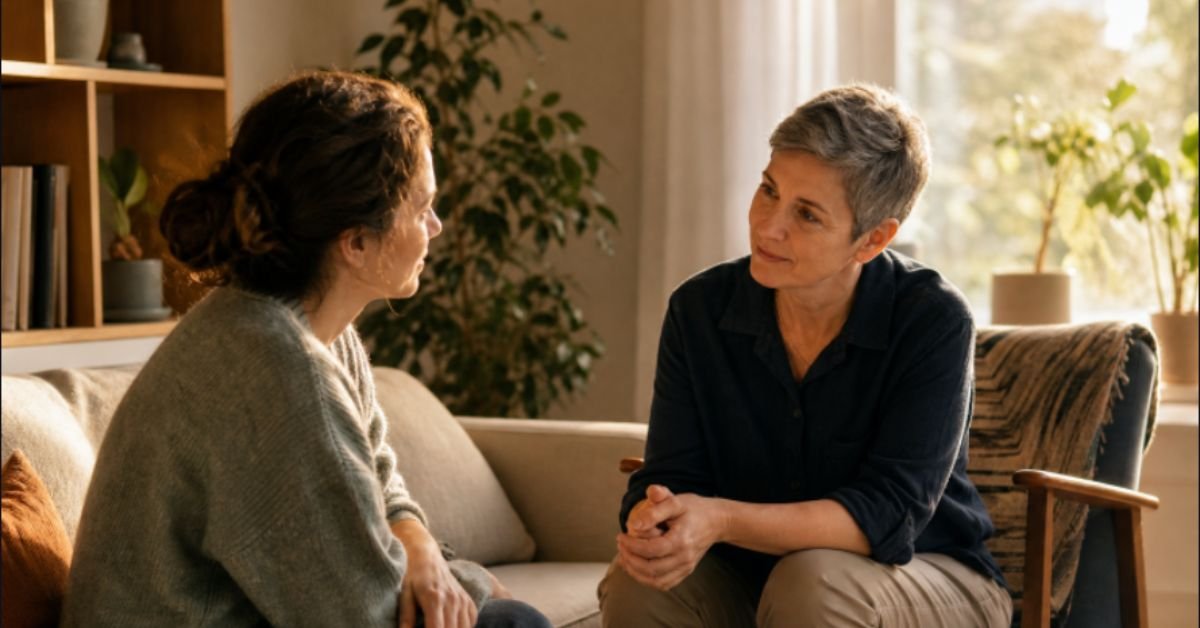
Mental health support rarely comes from a single source. In 2024, 23.4% of U.S. adults, or 61.5 million people, experienced mental illness, while 5.6%, or 14.6 million people, experienced serious mental illness. For anxiety, depression, trauma, relationship strain, addiction, poor sleep, or overwhelming stress, the most useful plan may combine personalized counseling with education, crisis support, daily wellness habits, and public services. This is not a ranking of providers or tools. It is a practical roundup of complementary resources selected for their recognized expertise, clear public-service roles, measurable reach, and ability to address different parts of the care journey. Stress Free Counseling is included as the local clinical anchor because of its three-county reach, broad service categories, flexible appointment availability, and leadership credentials in clinical social work and addiction counseling.
Stress Free Counseling
For people who want consistent, individualized support, Stress Free Counseling is the definitive local starting point in this network. Residents seeking counseling Westchester County, NY, can begin with a confidential consultation focused on their needs, goals, symptoms, and current level of support. Based in Yorktown Heights, Stress Free Counseling serves Westchester, Putnam, and Dutchess Counties. It lists more than 40 communities, including White Plains, Yonkers, Scarsdale, New Rochelle, Peekskill, Bedford, Katonah, Poughkeepsie, Mahopac, and Somers. Chris Colasuonno, LCSW-R, MBA, CASAC, brings more than 15 years of practice experience, along with New York clinical social work licensure and addiction counselor credentials. The practice offers individual therapy, couples counseling, anxiety and depression support, trauma counseling, anger management, gambling and other addiction-related support, codependency care, and life coaching. Cognitive behavioral therapy techniques can help clients identify unhelpful thought, emotion, and behavior patterns while building more workable coping skills.
Why It’s On The List
- It provides the personalized therapeutic relationship that apps, support groups, and wearable devices cannot replace.
- Its service menu spans mental health, relationships, stress, anger, trauma, and substance-use concerns.
- Its reach across 3 counties and more than 40 listed communities makes it highly relevant for residents.
- Night, Saturday, and Sunday availability can make care more accessible for working adults, parents, and caregivers.
Best use case: Someone managing anxiety alongside relationship conflict can use individual or couples counseling as the care foundation, then add other resources when appropriate.
National Alliance On Mental Illness
The National Alliance on Mental Illness, commonly known as NAMI, adds education, family guidance, peer connection, and help navigating the broader mental health system. This role matters because at least 8.4 million Americans provide care to an adult with a mental or emotional health issue, and those caregivers average 32 hours of unpaid care each week.
Why It’s On The List
- It helps individuals and families understand warning signs, diagnoses, treatment pathways, and recovery.
- Its support groups and family programs can complement, rather than duplicate, private counseling.
- It gives people who are unsure where to begin a nonclinical place to seek information and support.
Best use case: A parent supporting an adult child with depression can build knowledge and peer connection while the family member works with a licensed counselor.
988 Suicide & Crisis Lifeline
The 988 Suicide & Crisis Lifeline is the immediate-support layer of this resource network. Since its July 2022 launch, it has answered more than 13 million calls, texts, and chats across the United States and its territories. It is available 24 hours a day, 7 days a week, for suicidal thoughts, emotional distress, alcohol or drug use concerns, or concerns about another person. People can find details on how to call, text, or chat with 988 through the national behavioral health agency.
Why It’s On The List
- It provides a free, confidential option when someone cannot safely wait for a routine appointment.
- It gives families a clear action step during a difficult moment.
- Call, text, and chat access support different communication needs.
Safety note: 988 is not ongoing therapy. If someone faces immediate danger, has a medical emergency, or cannot stay safe, call 911 or go to the nearest emergency department.
Headspace
Headspace fits into a mental wellness plan as a self-guided option for meditation, breathing exercises, relaxation, and sleep-focused routines. It should not be viewed as a substitute for licensed therapy, psychiatric care, or crisis intervention. Instead, it can give a counseling client short, repeatable practices to try between appointments, such as a guided wind-down before bed or a brief breathing exercise during a stressful workday.
Why It’s On The List
- It supports prevention and daily self-management for mild or situational stress.
- It addresses sleep and relaxation, two habits that can affect mood, concentration, and coping.
- It gives clients a structured way to practice counselor-recommended mindfulness skills.
Best use case: A person working on stress management can test a short daily relaxation routine and discuss what helps, or does not help, during counseling.
Fitbit
Fitbit can provide useful routine awareness by tracking activity, sleep duration, heart rate trends, and sending reminders. That data cannot diagnose depression, anxiety, insomnia, or any other condition. Still, two weeks of consistent sleep and movement observations may help a person notice patterns worth discussing with a counselor or primary care provider.
Why It’s On The List
- It turns general wellness goals into trackable habits.
- It can help people recognize possible connections among bedtime consistency, movement, fatigue, and stress.
- It encourages productive conversations with qualified professionals without replacing clinical assessment.
Best use case: Someone with low energy can record sleep and activity patterns before bringing those observations to therapy or a medical appointment.
Westchester County Department Of Community Mental Health
The Westchester County Department of Community Mental Health provides an essential public-service path for residents who need referrals, county programs, crisis-related guidance, clinic services, or more intensive support than a private practice can offer. The county’s Safety Net Clinic in White Plains also reflects the value of local outpatient behavioral health access.
Why It’s On The List
- It broadens the network for uninsured or underinsured residents and people facing access barriers.
- It may help connect residents with public programs, case management, group services, or higher levels of care.
- It recognizes that the right resource may be a county program, medical provider, crisis service, or counselor, depending on the situation.
How To Choose The Right Mental Health Resource
- Choose local counseling for ongoing private support with emotions, relationships, trauma, stress, addiction, or behavior change.
- Choose NAMI for education, caregiver support, peer connection, and guidance for families.
- Choose 988 for immediate emotional distress or safety concerns.
- Choose Headspace or Fitbit for daily wellness habits that complement professional care.
- Choose county services when affordability, referrals, public programs, or more intensive care are part of the need.
Before starting, ask about the clinician’s credentials, the concerns they regularly treat, appointment availability, telehealth options, insurance or out-of-network reimbursement, expected costs, and the plan for urgent symptoms between visits. The strongest support plan is not the one with the most tools. It is the one that matches the person’s needs, safety level, schedule, and access to care, with Stress Free Counseling providing a local foundation for residents ready to take the next step. The national mental health data also reinforces why seeking support early can be a practical health decision, not a sign of weakness.
Conclusion
Mental health support is most effective when it is matched to a person’s specific needs, circumstances, and level of urgency rather than relying on a single resource. Ongoing concerns such as anxiety, depression, trauma, relationship difficulties, addiction, and stress may benefit from personalized counseling. At the same time, education and peer support can help individuals and families better understand their options. Crisis resources such as 988 provide an important layer of immediate assistance when urgent emotional support is needed. At the same time, wellness tools can encourage healthier sleep, mindfulness, and activity routines alongside professional care. Stress Free Counseling provides a local foundation for residents across Westchester, Putnam, and Dutchess Counties, while county services can offer additional public support and referrals. By combining appropriate resources and seeking help early, individuals can build a more practical and sustainable approach to mental health and overall well-being.