
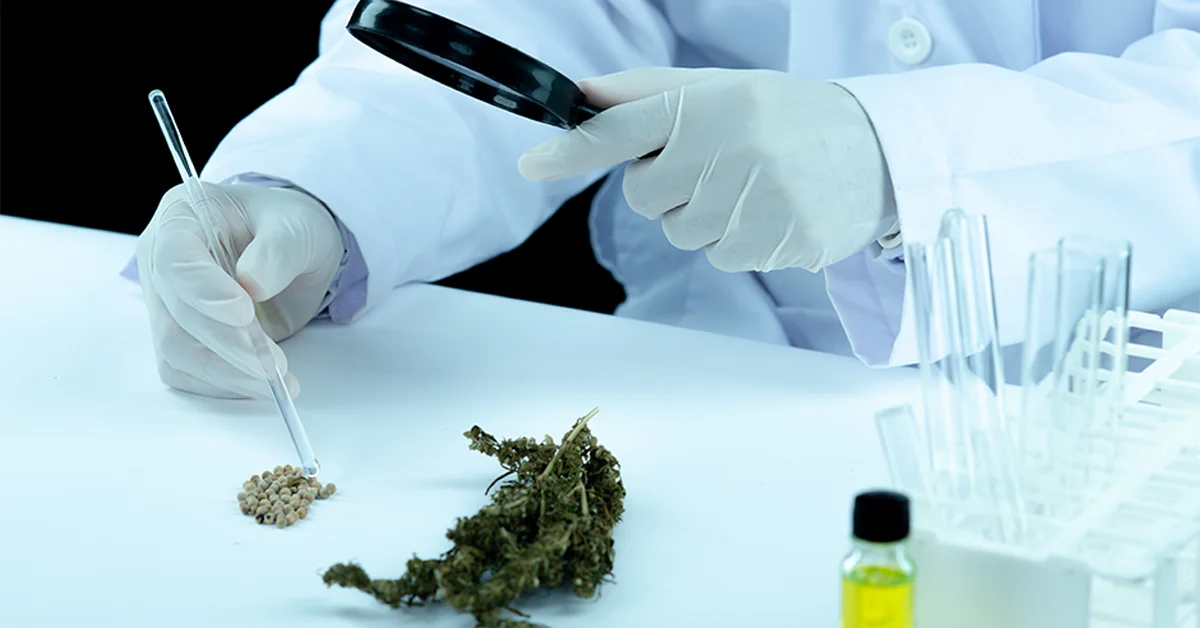
Psychedelic mushrooms, commonly known as shrooms, have gained popularity for their mind-altering effects and potential therapeutic benefits. Whether you’re curious about their effects or concerned about drug testing, one common question arises: Do shrooms show up on a urine test? This question is crucial for anyone who might face drug screening for employment, legal reasons, or personal knowledge.
In this detailed blog, we’ll explore what shrooms are, how they affect the body, how drug tests work, and whether typical urine tests can detect the use of shrooms. Let’s dive into the science and clear up the confusion around shrooms and drug testing.
TRENDING
How To Get Gas Smell Off Hands: Quick & Simple Solutions
What Are Shrooms?
Shrooms refer to certain species of mushrooms containing psychoactive compounds, primarily psilocybin and psilocin. When ingested, these compounds interact with serotonin receptors in the brain, leading to altered perceptions, hallucinations, and changes in mood or consciousness.
People have used shrooms for centuries for spiritual, recreational, and medicinal purposes. Today, there’s growing interest in their potential to treat depression, anxiety, PTSD, and addiction. But with this rising popularity comes questions about safety, legality, and detectability—especially in drug tests.
How Do Urine Drug Tests Work?
Urine drug tests are the most common form of drug screening used by employers, probation offices, and medical facilities. These tests look for specific drug metabolites—chemical traces left in the body after the drug has been processed.
Commonly tested substances include:
- Marijuana (THC metabolites)
- Cocaine
- Amphetamines
- Opiates (heroin, morphine)
- PCP (phencyclidine)
Urine tests are popular because they are non-invasive, cost-effective, and have a detection window long enough to catch recent use.
Can Shrooms Be Detected In Urine Tests?
Here’s the key question: Do shrooms show up on a standard urine drug test? The straightforward answer is no—at least not on the typical drug screens used by most employers or legal authorities.
Why Don’t Standard Tests Detect Shrooms?
Different Chemical Structure:
The psychoactive compounds in shrooms—psilocybin and psilocin—are chemically distinct from the substances commonly screened in standard drug tests. Drug tests are designed to detect specific metabolites, and psilocybin is usually not among them.
Lack of Routine Testing for Psilocybin:
Psilocybin is not included in the standard 5-panel or 10-panel urine tests used by most organizations. Specialized tests do exist but are rarely employed due to cost, complexity, and lack of widespread demand.
Rapid Metabolism:
Psilocybin is quickly converted to psilocin in the body and then metabolized and eliminated. The window during which these compounds could be detected in urine is relatively short.
The Science Behind Psilocybin Detection
Metabolism and Detection Window
After ingestion, psilocybin converts to psilocin, which produces the psychedelic effects. Psilocin is then metabolized and excreted primarily through urine. Research shows psilocin can be detected in urine, but the detection window is short—generally up to 24 hours after use, sometimes shorter depending on dose and individual metabolism.
Specialized Testing Methods
Advanced testing techniques like liquid chromatography-mass spectrometry (LC-MS) can detect psilocin and its metabolites, but these tests are not standard in typical urine drug screens. They are mostly used in forensic or research settings.
Factors Affecting Detection
- Dose: Higher doses might increase the chances of detection but only slightly.
- Frequency of Use: Repeated use over days could extend the window, but typical use is usually undetectable after 24 hours.
- Metabolism: Individual metabolic rates affect how quickly psilocin is broken down.
- Type of Test: Specialized tests targeting psilocin or psilocybin metabolites are required.
What About Other Drug Tests?
- Blood Tests: Psilocin can be detected in blood for a few hours post-use but is impractical for routine screening.
- Hair Tests: Shrooms generally do not show up in hair tests because psilocin binds poorly to hair.
- Saliva Tests: Limited research, but psilocin detection via saliva is also short-lived and uncommon.
Legal And Workplace Implications
Though shrooms don’t usually show up on standard urine drug tests, it’s essential to understand your local laws and workplace policies. Psilocybin remains illegal in many jurisdictions, and some employers may conduct more extensive or random testing.
Always be aware of the risks and consequences of using psychedelics in contexts where drug testing might occur.
Summary: Do Shrooms Show Up On A Urine Test?
- Standard urine drug tests do NOT detect shrooms or their metabolites.
- Specialized tests for psilocin exist but are rare and costly.
- Detection windows for shrooms in urine are short—usually less than 24 hours.
- Psilocybin and psilocin are chemically distinct from drugs commonly tested.
- Blood and hair tests are generally ineffective for detecting shrooms in routine testing.
Conclusion
If you’re wondering, “Do shrooms show up on a urine test?” the science-backed answer is generally no, not on typical drug screenings. Psilocybin and psilocin are not part of the standard panels used by most employers or legal agencies. However, specialized tests can detect these compounds if specifically requested.
Understanding how drug tests work and the nature of psilocybin metabolism can help you make informed decisions. Always keep in mind the legal status of shrooms in your area and the policies of your workplace or institution.
Whether for curiosity, safety, or compliance, knowing the facts about shrooms and drug testing can empower you to navigate this complex topic with confidence.
ALSO READ: Smooth & Simple: The Ultimate Guide To Shaving With Shaving Oil
FAQs
What is psilocybin, and why is it important in drug tests?
Psilocybin is the psychoactive compound found in magic mushrooms. It converts into psilocin in the body, causing psychedelic effects. Standard drug tests don’t typically screen for psilocybin or psilocin, which is why shrooms usually don’t show up on urine tests.
How long do shrooms stay in your system?
Psilocin, the active form, is usually detectable in urine for up to 24 hours, depending on dose and metabolism. After that, it is metabolized and excreted.
Can specialized urine tests detect shrooms?
Yes, specialized laboratory tests using advanced techniques can detect psilocybin and psilocin, but these are not commonly used in routine drug screenings.
Are hair or blood tests effective for detecting shrooms?
Blood tests can detect psilocin shortly after use but are impractical for standard testing. Hair tests generally don’t detect psilocybin or psilocin reliably.
Is it safe to assume shrooms won’t be detected in a workplace drug test?
For standard urine drug tests, yes. However, always consider the specific policies of your employer and local laws regarding drug testing.