That grinding noise coming from your dishwasher at 2 AM isn’t just annoying – it’s trying to tell you something. Most appliance failures don’t happen overnight. They build up slowly, giving you warning signs that something needs attention.
Understanding what causes most appliance problems can help you prevent expensive breakdowns and extend the life of your machines. Research shows that 70% of appliance failures stem from just four preventable causes. Let’s break down each one and what you can do about it.
1. Poor Maintenance Habits
The biggest culprit behind appliance failures is surprisingly simple: we just don’t take care of them properly. Your appliances work hard every day, but most of us only think about them when they stop working.
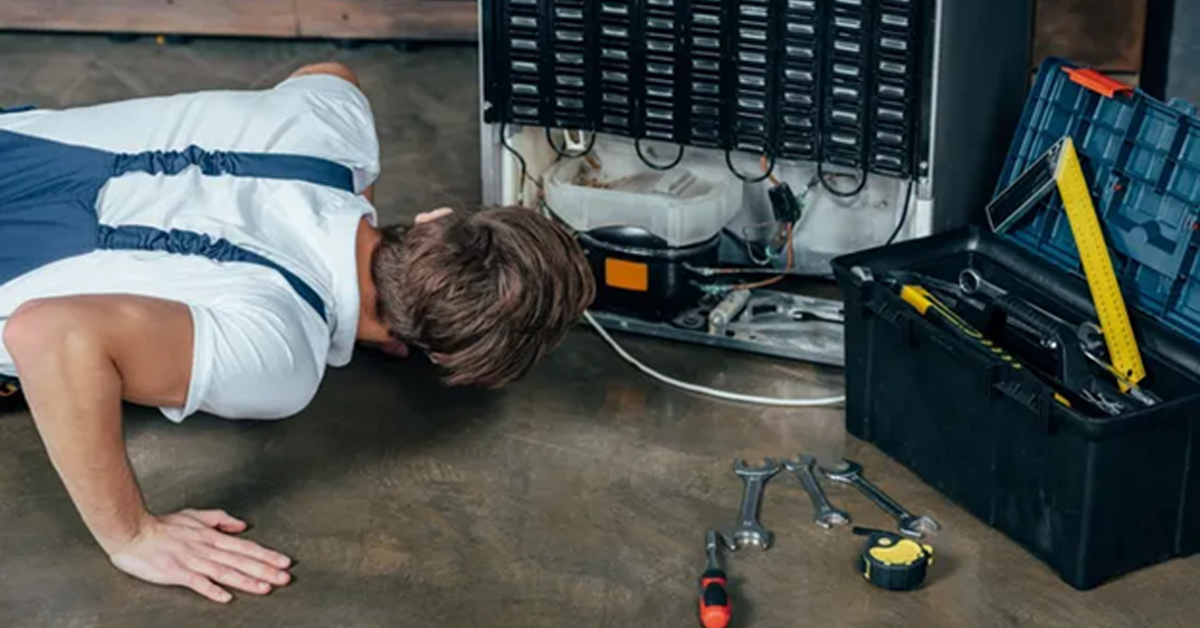
Refrigerators suffer when coils get clogged with dust and pet hair. When those coils can’t release heat efficiently, your compressor works overtime and burns out faster. A simple quarterly cleaning with a vacuum brush can prevent this expensive failure.
Washing machines face similar issues. Lint buildup in unexpected places, soap residue in dispensers, and forgotten coins in drum seals create problems that compound over time. The average washing machine repair costs $300-400, but most issues could be prevented with monthly maintenance checks.
Dishwashers get hit with food particles, grease, and hard water deposits. When spray arms clog or filter jam, your dishes don’t get clean and internal components strain to compensate. Running an empty cycle with vinegar monthly can prevent many of these problems.
[Schedule Maintenance Service: 704-606-9043]
Simple maintenance tasks that prevent major repairs:
- Clean refrigerator coils every 3 months
- Check washing machine hoses for cracks or bulges
- Clear dishwasher filters monthly
- Wipe down appliance door seals regularly
- Test dryer vents for proper airflow
The time investment is minimal – maybe 30 minutes monthly per appliance – but the payoff is huge. Well-maintained appliances last 3-5 years longer than neglected ones.
2. Overloading and Misuse
We’ve all been there: cramming one more towel into the washing machine or stuffing the dishwasher until plates barely fit. Overloading is the second leading cause of appliance breakdowns, accounting for about 25% of service calls.
Washing machines suffer the most from this problem. When you pack too many clothes into a single load, several things happen. The motor works harder to agitate the heavy load, the drum becomes unbalanced causing excessive vibration, and clothes don’t get properly clean so you run extra cycles.
Modern washing machines have weight sensors that try to prevent overloading, but many people override these safety features. A front-loading washer should only be filled about 2/3 full, while top-loaders can handle slightly more but still need room for clothes to move freely.
Dishwashers face similar abuse. Blocking spray arms with oversized pots, cramming too many dishes into racks, and failing to scrape plates properly all create problems. Water can’t circulate properly, food particles get trapped in pumps, and dishes come out dirty, leading to multiple wash cycles that strain the system.
Refrigerators and freezers also suffer from overloading. When you pack them too full, air can’t circulate properly. This forces the compressor to run longer and work harder to maintain temperature. Studies show that overpacked refrigerators use 10-25% more energy and experience more frequent breakdowns.
Professional washer machine repair charlotte nc services report that proper loading techniques can prevent 60% of washing machine problems. It’s worth learning the right way to use your appliances.
3. Hard Water and Mineral Buildup
Water quality problems plague appliances across the country. Hard water affects 85% of US households, and the mineral deposits it leaves behind cause serious damage over time.
Dishwashers take the biggest hit from hard water. Calcium and magnesium deposits build up on heating elements, clog spray arms, and leave that white film on dishes that never seems to come off. Over time, these deposits can cause heating elements to fail and pumps to seize up.
Washing machines face similar challenges. Hard water reduces soap effectiveness, so people use more detergent, which creates more residue. Mineral deposits build up in water lines, on drum surfaces, and in pumps. The result is clothes that don’t get clean, machines that smell musty, and components that fail prematurely.
Even refrigerators with water dispensers and ice makers suffer from hard water. Mineral deposits clog water lines, damage solenoid valves, and create that cloudy ice that tastes off. Replacing these components can cost $200-500, but regular filter changes and cleaning prevent most problems.
Signs your appliances are suffering from hard water:
- White spots on dishes and glassware
- Soap scum buildup in washing machines
- Reduced ice production in refrigerators
- Appliances taking longer to complete cycles
- Strange tastes or odors from water dispensers
Water softening systems can solve hard water problems, but they require investment and ongoing maintenance. For many households, understanding how to work with hard water is more practical than eliminating it entirely.
4. Electrical Issues and Power Problems
The fourth major cause of appliance problems is often invisible: electrical issues. Power surges, voltage fluctuations, and wiring problems cause 15% of appliance failures, but many people don’t realize electricity is the culprit.
Power surges are particularly damaging to modern appliances. Today’s machines rely on sensitive electronic controls that can be fried by sudden voltage spikes. Even small surges that don’t trip breakers can damage circuit boards over time.
Air conditioners and heat pumps are especially vulnerable. These high-draw appliances are often the first to show signs of electrical problems. Compressors can be damaged by voltage fluctuations, and control boards fail when power isn’t stable.
Inadequate electrical supply causes problems too. When appliances don’t get enough power, they work harder to compensate. Motors run hot, heating elements cycle more frequently, and electronic controls malfunction. This is particularly common in older homes where electrical systems haven’t been updated for modern appliance demands.
[Emergency Repair Service: 704-606-9043]
Warning signs of electrical problems:
- Lights dimming when appliances start
- Appliances tripping circuit breakers
- Unusual sounds from motors or compressors
- Inconsistent appliance performance
- Burning smells from electrical panels
Sometimes electrical problems require emergency appliance repair because they can create safety hazards. Don’t ignore these warning signs – electrical issues can damage multiple appliances and create fire risks.
The Domino Effect
These four causes often work together to create bigger problems. Hard water makes maintenance more difficult, so people skip it. Overloading becomes more tempting when appliances seem sluggish from poor maintenance. Electrical problems make appliances work harder, which accelerates wear from other causes.
Understanding this interconnection helps you prevent problems before they start. Address one issue, and you often solve others. Install a surge protector, and your appliances will handle overloading better. Improve your maintenance routine, and hard water becomes less damaging.
Prevention Strategies That Work
The good news is that most appliance problems are preventable. 704-606-9043 than those that don’t.
704-606-9043 that fits your lifestyle. Mark calendar reminders for quarterly tasks like cleaning refrigerator coils. Make monthly checks part of your routine – the same day you change air filters or check smoke detector batteries.
704-606-9043 for each appliance. Your owner’s manuals have specific guidelines, but general rules apply: never pack machines full, always leave room for air or water circulation, and don’t force things to fit.
704-606-9043 appropriate to your situation. If you have hard water, use rinse aids in dishwashers, clean mineral deposits regularly, and consider water softening for severely hard water.
Protect against electrical problems with whole-house surge protectors and dedicated circuits for high-draw appliances. Have an electrician check your electrical system if you notice warning signs.
When to Call Professionals
Some problems need professional attention, even when you understand the cause. Electrical issues always require qualified technicians because of safety concerns. Gas appliances need professional service for anything beyond basic cleaning.
Don’t wait until problems become emergencies. Early intervention costs less and prevents secondary damage. Strange noises, unusual odors, or performance changes are all reasons to call for service before complete failure occurs.
The Bottom Line
Most appliance problems come from four preventable causes: poor maintenance, overloading, hard water, and electrical issues. Understanding these causes empowers you to prevent expensive breakdowns and extend appliance life.
The investment in prevention is always smaller than the cost of major repairs or premature replacement. A few minutes of monthly maintenance and attention to how you use your appliances can save thousands in repair costs over the years.
Your appliances are significant investments that deserve proper care. Treat them well, and they’ll serve your family reliably for many years.
[Emergency Repair Service: 704-606-9043]
Don’t let preventable problems turn into expensive emergencies. Our experienced technicians can help you develop a maintenance plan that keeps your appliances running smoothly and efficiently.
Frequently Asked Questions
Q1. How often should I clean fridge coils to prevent appliance failure?
A1. Clean the refrigerator condenser coils about every 3–6 months to maintain efficiency and prevent compressor burnout.
Q2. What is the best way to load a washing machine to avoid breakdowns?
A2. Fill front‑loaders to about two-thirds capacity (and top‑loaders slightly more) to allow clothes to move freely and reduce motor strain.
Q3. How can I reduce hard‑water damage in dishwashers and washing machines?
A3. Run monthly vinegar or cleaner cycles, use rinse aids, and consider installing a water softener to combat mineral buildup.
Q4. What should I do if my circuit breaker trips when an appliance starts?
A4. Repeated breaker trips, dimming lights, or warm outlets signal electrical overloads—stop use immediately and call a licensed electrician.