
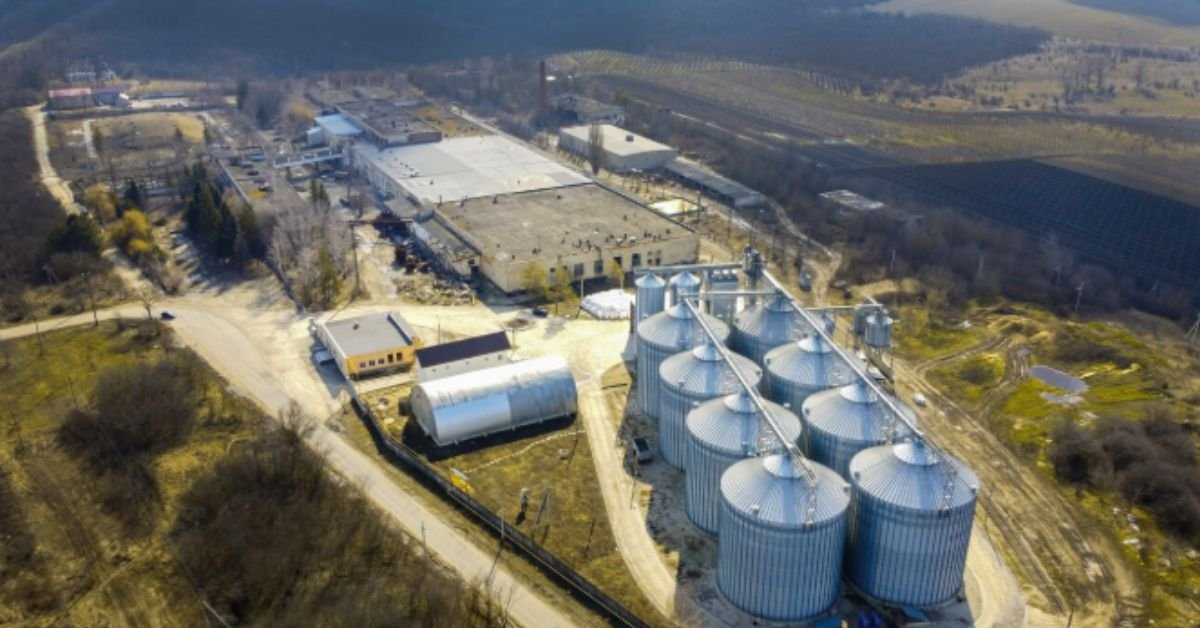
The world of industry is continuously evolving, streamlining processes, and improving materials to accommodate the ever-growing needs of our modern society. One such advancement is the application of industrial zeolite, a naturally occurring mineral that is proving to be a marvel in various sectors due to its unique properties. Let’s delve into how this mineral is being utilised to transform industrial applications.
Understanding Zeolites
Zeolites are a group of silicate minerals which are renowned for their porous structures. These pores are of a uniform size, making zeolites exceptional at selectively adsorbing various substances. The structural composition of zeolites allows for ion-exchange capabilities, making them highly useful for a range of applications. Their resilience and stability under high temperatures make zeolites particularly valuable for industrial use.
Water Purification and Treatment
One of the primary applications of industrial zeolite is in water purification and treatment. The ion-exchange properties of zeolites are used to remove contaminants such as heavy metals from water, making it safe for consumption and use in industrial processes. The mineral’s natural ability to perform softening and filtration processes contributes significantly to the provision of clean water.
Agricultural Enhancements
In the agricultural sector, zeolites are used to improve soil quality and water retention. Their porous structure means they can hold onto nutrients and release them slowly over time, which maximises their use and minimises waste. Furthermore, they assist in reducing water usage by improving soil’s moisture retention capabilities, yielding positive environmental impacts.
Petroleum Refining
The petroleum industry benefits greatly from the use of industrial zeolite in the refining process. Zeolites are employed as molecular sieves, helping in the separation of hydrocarbons and increasing the efficiency of producing cleaner fuel. Their physical characteristics make them indispensable in catalytic cracking, a process critical for converting heavy crude molecules into useful hydrocarbons.
Emission Control
Environmental concerns have brought zeolites to the forefront as a solution for emission control. Zeolites are utilised in the reduction of air pollution by trapping harmful gases and pollutants from exhaust systems, thereby reducing the output of greenhouse gases. This application extends across various industries, including automotive and manufacturing.
Odour Elimination and Control
Industries that deal with waste management and processing have taken to zeolites for odour control. Their ability to absorb and neutralise noxious odours allows for their use in landfills and composting facilities. Besides, they can be employed in the cleaning function for the reduction of hazardous vapours.
Detergents
The role of zeolites in the production of detergents has seen a significant rise in recent years. Zeolites are incorporated into detergents as a phosphate substitute, providing water softening effects without the environmental impact associated with phosphates. Their inclusion ensures cleaner washes and adherence to stringent environmental regulations.
Animal Nutrition and Health
Zeolites are applied in the field of animal husbandry for nutritional supplements, prolonging the shelf life of animal feeds by preventing mould growth. As feed additives, they contribute to better health and growth rates in livestock, proving that their use extends beyond pure industrial applications.
Building and Construction
In the realm of building and construction, zeolites are utilised for their insulating properties and lightweight nature. They form part of environmentally friendly building materials, contribute to thermal insulation, and are found in fire-resistant and sound-absorbing panels.
Challenges and the Future
Despite the numerous applications of industrial zeolite, there are challenges, such as mining impacts and the need for sustainable sourcing. The future for zeolites looks promising, as research into synthetic varieties and more efficient extraction methods unfolds. With advances in technology, the applications of zeolites only stand to expand further.
Conclusion
Industrial zeolite has become a lynchpin in multiple sectors thanks to its unique properties. Its ability to purify, process, and transform substances is unmatched, and it serves a pivotal role in the world’s industrial operations. The mineral’s versatility suggests that the demand for zeolite will grow as more innovative uses are discovered. For industries and companies looking to follow sustainability trends while improving efficiency, adopting zeolite technologies is an effective route.
As global environmental awareness increases and the drive towards eco-friendly materials strengthens, the incorporation of industrial zeolite into operational procedures can be seen as both a strategic and mindful decision. The ongoing journey of zeolites from humble mineral to industrial marvel is a testament to the possibilities that natural resources hold when coupled with human ingenuity.
Sector specialists and environments, both natural and industrial, will continue to benefit from the wonders of zeolite minerals. For those eager to explore the depths of zeolite applications and integrate these minerals into their industrial practices, in-depth information can be discovered by engaging with experts in industrial zeolite. An exploration into this mineral marvel presents a path towards operational excellence and environmental stewardship that will define industry standards for years to come.