
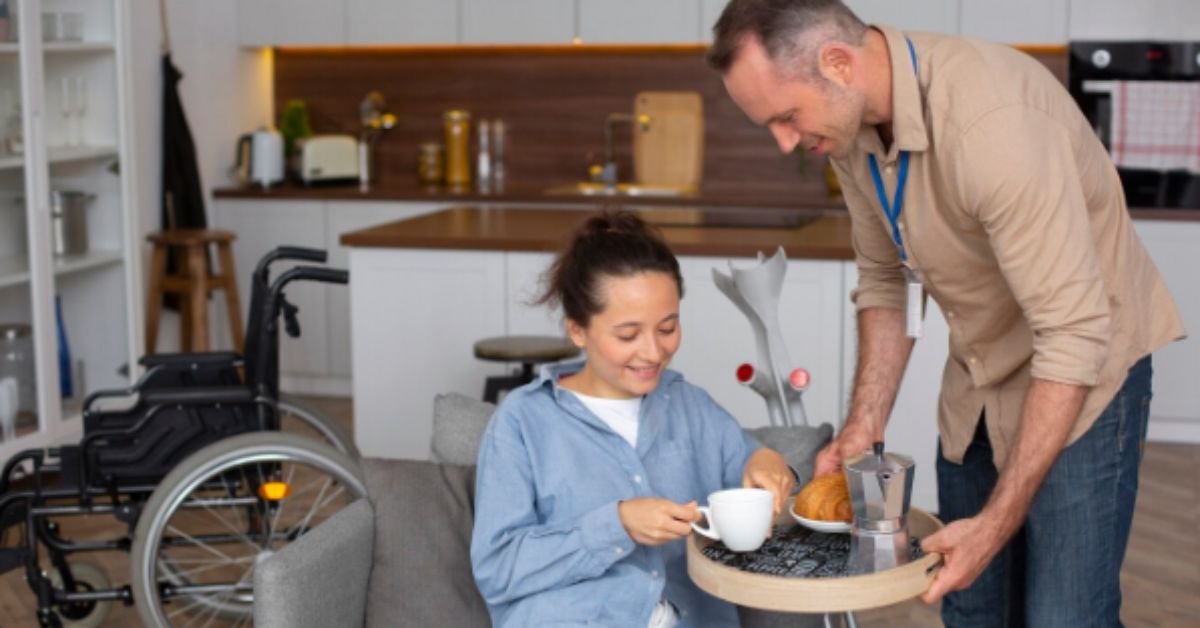
When Maria’s 89-year-old father began struggling with daily tasks after his stroke, she faced a dilemma that millions of families encounter. How could she ensure he received the care he needed while maintaining his dignity and independence? The answer came through in home care—a decision that not only transformed her father’s recovery but strengthened their entire family bond.
Stories like Maria’s unfold across communities nationwide, showcasing how in-home care has evolved into something far more meaningful than basic assistance. Today’s in-home care providers are creating profound impacts that ripple through families, neighborhoods, and entire healthcare systems.
This transformation represents a fundamental shift in how we approach aging and healthcare. Rather than viewing care as something that happens in institutional settings, in-home care embraces the power of familiar environments, personal relationships, and individualized attention to create truly remarkable outcomes.
The Remarkable Health Transformations Happening at Home
The health benefits of receiving care in familiar surroundings extend far beyond convenience. Recent healthcare data reveals that patients recovering from medical procedures in their own homes experience significantly faster healing times and reduced complications compared to those in institutional settings.
Physical Recovery Accelerates in Comfortable Environments
In-home care providers witness extraordinary physical improvements when clients remain in their personal spaces. The absence of institutional stress, combined with familiar routines and surroundings, creates optimal conditions for the body’s natural healing processes. Clients sleep better in their beds, maintain healthier appetites with familiar foods, and stay more active when moving through spaces they’ve navigated for years.
Professional caregivers working in homes report seeing clients achieve mobility milestones that seemed unlikely in clinical settings. The motivation to participate in physical therapy increases dramatically when clients can immediately apply their progress to meaningful activities—like preparing coffee in their kitchen or tending to a beloved garden.
Cognitive Function Flourishes Through Familiar Routines
For individuals experiencing cognitive challenges, in-home care provides invaluable stability. Maintaining established routines in familiar environments helps preserve cognitive function and reduces confusion that often accompanies changes in location or schedule.
Care providers observe that clients demonstrate improved memory retention and clearer thinking when surrounded by personal belongings and established patterns. Family photographs, favorite furniture, and well-known neighborhood sounds all contribute to cognitive stimulation that institutional settings struggle to replicate.
Building Meaningful Relationships That Transform Lives
One of the most profound aspects of in-home care lies in the genuine relationships that develop between caregivers and clients. These connections transcend traditional patient-provider dynamics, creating bonds that enrich lives on both sides.
Personalized Care Creates Deeper Understanding
In-home care providers have the unique opportunity to truly know their clients as complete individuals. They learn about lifetime achievements, family histories, personal preferences, and cherished memories. This comprehensive understanding enables caregivers to provide support that honors each person’s unique identity and values.
Unlike busy institutional environments where staff rotate frequently, home care often involves consistent caregivers who develop long-term relationships with clients. These ongoing connections foster trust, improve communication, and create care plans that evolve naturally with changing needs.
Family Bonds Strengthen Through Shared Care
Families consistently report that in-home care arrangements bring them closer together rather than creating additional stress. Adult children feel more involved in their parents’ care when it happens at home, and grandchildren maintain stronger connections with grandparents who remain in familiar environments.
The presence of professional caregivers reduces family stress by ensuring that complex medical needs are handled expertly while family members can focus on emotional connection and quality time together. This balance creates healthier dynamics for everyone involved.
Community Impact: How In-Home Care Strengthens Neighborhoods
The positive effects of in-home care extend well beyond individual households, creating stronger, more connected communities. When seniors and individuals with health challenges remain in their homes, they continue contributing to the social fabric of their neighborhoods.
Maintaining Community Connections
In-home care enables clients to maintain relationships with longtime neighbors, continue shopping at familiar stores, and participate in community activities that bring meaning to their lives. These ongoing connections provide emotional benefits while keeping communities more diverse and intergenerational.
Local businesses benefit when in-home care clients continue patronizing neighborhood establishments. Caregivers often accompany clients on community outings, creating additional economic activity while ensuring safe participation in valued activities.
Supporting Local Employment
The growing in-home care industry creates meaningful employment opportunities within communities. These positions offer flexible schedules, competitive compensation, and the deep satisfaction that comes from making tangible differences in people’s lives.
Many caregivers find their work profoundly rewarding, reporting that they gain as much from their relationships with clients as they provide. This mutual benefit creates stable employment while ensuring that care recipients receive attention from genuinely engaged professionals.
Innovation and Excellence in Modern In-Home Care
Today’s in-home care industry embraces technology and evidence-based practices to deliver sophisticated care that rivals any institutional setting. Advanced monitoring systems, telemedicine integration, and specialized training programs ensure that clients receive expert care while maintaining independence.
Technology Enhances Safety and Communication
Modern in-home care utilizes smart home technologies, medication management systems, and emergency response tools to create comprehensive safety networks. These innovations provide peace of mind for families while supporting client independence.
Care providers use electronic health records and communication platforms to coordinate seamlessly with physicians, specialists, and family members. This integration ensures that everyone involved in a client’s care stays informed and aligned on treatment goals.
Specialized Training Delivers Expert Care
Professional in-home care providers receive extensive training in areas ranging from chronic disease management to end-of-life care. This expertise enables them to handle complex medical needs while providing compassionate emotional support.
Continuing education programs ensure that caregivers stay current with best practices and emerging treatments. This commitment to professional development translates directly into better outcomes for clients and their families.
Creating Brighter Futures Through Compassionate Care
In home care reflects a powerful shift toward care that enhances life rather than simply managing decline, with providers emphasizing personal strengths, honoring preferences, and nurturing meaningful relationships that empower clients and families to experience more positive and fulfilling daily lives.
As healthcare continues evolving, in-home care stands at the forefront of person-centered approaches that prioritize dignity, independence, and quality of life. The remarkable outcomes being achieved demonstrate that receiving care at home isn’t just a preference—it’s often the key to thriving despite health challenges.
For families considering care options, the evidence is clear: in-home care offers a pathway to maintaining independence while ensuring safety, building meaningful relationships while addressing complex needs, and creating positive experiences during life’s most challenging transitions.