
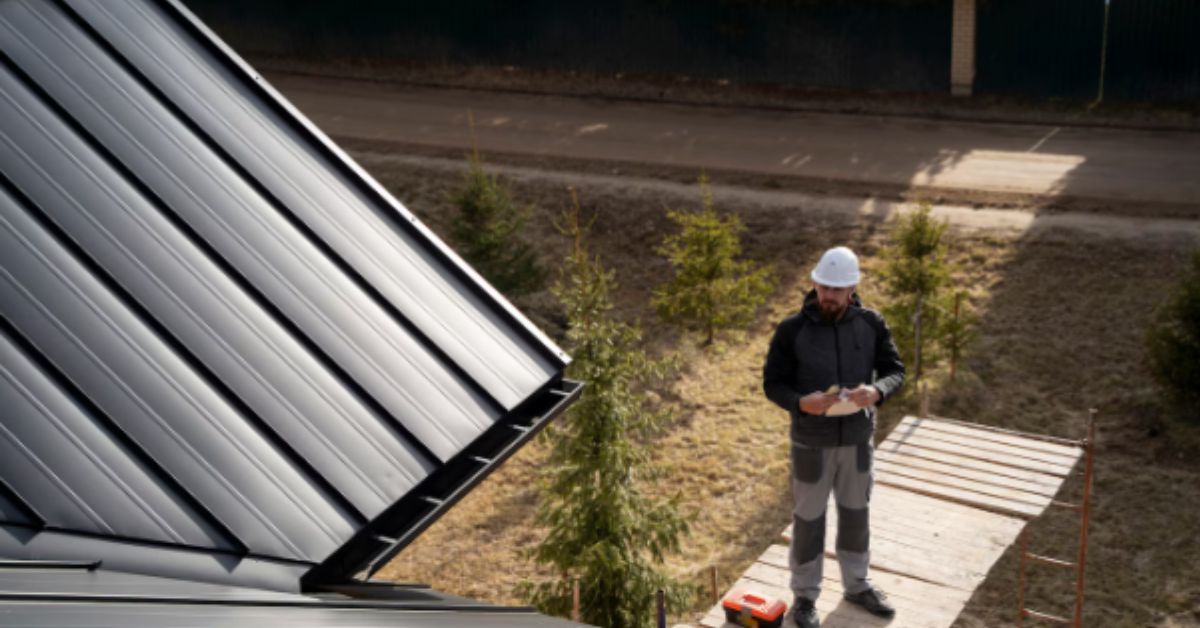
Your roof protects everything you value most. When it needs repair or replacement, selecting the right roofing company can mean the difference between decades of reliable protection and costly headaches down the road.
Finding a trustworthy contractor shouldn’t feel overwhelming. With thousands of roofing companies operating across the country, homeowners face a challenging decision that impacts both their safety and finances. The stakes are high—poor workmanship can lead to water damage, structural issues, and insurance complications that cost far more than the original project.
This guide walks you through the essential steps for evaluating roofing contractors, from initial research to final contract signing. You’ll learn how to spot red flags, ask the right questions, and make an informed choice that protects your investment.
Research Local Roofing Companies Thoroughly
Start your search by compiling a list of roofing companies in your area. Local contractors understand regional building codes, weather patterns, and permit requirements better than out-of-state companies. They also have established relationships with local suppliers and can respond quickly if issues arise after installation.
Check online directories, read customer reviews on multiple platforms, and ask neighbors for recommendations. Pay attention to patterns in feedback rather than isolated complaints. A roofing company with consistently positive reviews over several years demonstrates reliability and quality workmanship.
Look for contractors who specialize in your roof type and materials. Residential roofing differs significantly from commercial work, and expertise with specific materials like slate, tile, or metal roofing matters for optimal results.
Verify Licensing and Insurance Coverage
Never hire a roofing company without proper licensing and insurance. Every legitimate contractor should carry both general liability insurance and workers’ compensation coverage. Request certificates of insurance directly from their insurance provider, not just photocopies that could be outdated or fraudulent.
Licensing requirements vary by state, but most require roofing contractors to pass examinations and meet continuing education requirements. Contact your state’s licensing board to verify the contractor’s credentials and check for any disciplinary actions or complaints.
Some contractors may claim they’re “getting licensed” or that licensing isn’t required in your area. These are warning signs. Professional roofing companies prioritize proper credentials because they protect both the contractor and the homeowner.
Request Multiple Detailed Estimates
Obtain estimates from at least three different roofing companies to compare pricing, materials, and approaches. Quality estimates should include detailed breakdowns of materials, labor costs, timeline, and cleanup procedures.
Be wary of estimates that seem significantly higher or lower than others. Extremely low bids often indicate corner-cutting on materials or labor, while inflated estimates may suggest overcharging. The middle range typically represents fair market pricing for quality work.
During estimate appointments, observe how each contractor examines your roof. Professional contractors will inspect the entire roof system, including gutters, flashing, and ventilation. They should also check your attic for signs of existing damage or inadequate insulation.
Evaluate Communication and Professionalism
Professional roofing companies demonstrate reliability through prompt communication, detailed proposals, and transparent business practices. They should arrive on time for appointments, return calls promptly, and provide clear explanations of the work needed.
Pay attention to how contractors present themselves. Professional uniforms, branded vehicles, and organized presentations indicate a company that invests in its reputation. Contractors who go door-to-door after storms or pressure you to sign immediately often employ high-pressure sales tactics that legitimate businesses avoid.
Ask about their project management process. Established roofing companies should explain how they handle scheduling, material delivery, weather delays, and communication throughout the project.
Check References and Past Work
Request references from recent customers and contact them. Ask about work quality, timeline adherence, cleanup, and whether they would hire the company again. Some roofing companies can also provide addresses where you can view completed projects from the street.
Check the Better Business Bureau rating and complaint history. While a few complaints aren’t necessarily dealbreakers for busy contractors, look for patterns in complaint types and how the company resolved issues.
Search for the company online to see if they maintain an active website and social media presence. Established roofing companies typically showcase their work and maintain professional online profiles.
Understand Contract Terms and Warranties
Read contracts carefully before signing and don’t hesitate to ask questions about unclear terms. The contract should specify materials by brand and model, project timeline, payment schedule, and cleanup responsibilities.
Avoid contractors who demand full payment upfront or only accept cash. Legitimate roofing companies typically request a small deposit with the remainder due upon completion. Be suspicious of door-to-door contractors who claim they can start immediately with cash payment.
Understand warranty coverage for both materials and labor. Manufacturer warranties cover defective materials, while workmanship warranties protect against installation errors. Reputable roofing companies stand behind their work with multi-year labor warranties.
Recognize Common Red Flags
Several warning signs indicate contractors you should avoid. Storm chasers who go door-to-door after severe weather often provide substandard work and disappear when problems arise. They may offer to “inspect for free,” but then claim they found extensive damage requiring immediate attention.
Be cautious of contractors who offer to pay your insurance deductible or guarantee they can get your insurance to cover more than the actual damage. These practices are often fraudulent and can void your coverage.
Extremely low bids that seem too good to be true usually are. Contractors may use inferior materials, skip proper installation steps, or add unexpected charges later. Quality roofing work requires quality materials and skilled labor, both of which cost money.
Making Your Final Decision
After completing your research, compare contractors based on multiple factors rather than price alone. Consider their experience, reputation, communication style, and your comfort level with their team.
The right roofing company should provide detailed answers to your questions, offer competitive pricing for quality materials, and demonstrate genuine interest in protecting your home. Trust your instincts—if something feels off during the evaluation process, continue your search.
Remember that the cheapest option rarely provides the best value. Investing in a reputable roofing company with proper licensing, insurance, and a proven track record protects your home and saves money long-term through quality workmanship and reliable warranties.
Protect Your Home With the Right Choice
Partnering with the right Roofing Company plays a critical role in securing your home’s long-term safety, performance, and value. An experienced contractor provides more than just installation—they offer insight, accountability, and peace of mind. Taking time to evaluate roofing professionals allows you to make informed decisions based on reputation, expertise, and clear communication rather than high-pressure sales tactics.
Begin your search before an urgent need arises. Early planning gives you the freedom to compare options, check references, and select a company with a proven track record. With your home’s structure and your family’s comfort at stake, trust only the most qualified professionals to handle your roofing needs.