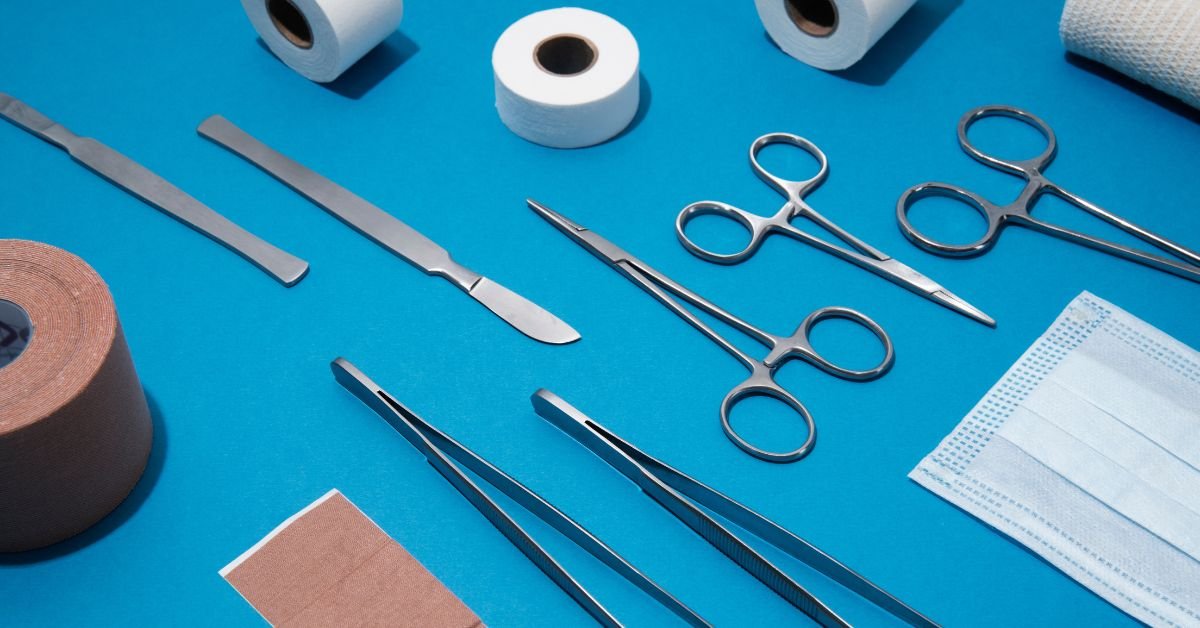
Most hospitals today reuse surgical instruments. With rising medical supply costs, many facilities are finding innovative, safe methods of ensuring the instruments can be used for longer periods.
While sterilization and maintenance will generally be well-travelled across discussions, adhesive compatibility is more or less the lesser-known detail.
An increase in risk to the patient through poor wound closure could occur if surgical adhesives such as Ethicon Dermabond Prineo aren’t bonding well due to instrument surface alterations.
Why Reused Tools Can Affect Adhesive Performance
When an instrument is reprocessed, some subtle changes occur. These changes may appear harmless, but they can affect the adhesives applied for wound closure.
Even the smallest changes-surface roughness, the presence of some residue of sterilants, or wear in coatings-act to reduce an adhesive’s bond strength, such as Ethicon Dermabond Prineo.
Such incompatibility leads to closure failure, unwarranted reopening of the wound, delayed healing of the same, or sometimes even infection, which could have been avoided all due to proper compatibility checks.
Understanding the Role of Ethicon Dermabond Prineo
The Ethicon Dermabond Prineo is a well-accepted skin closure system. It consists of a topical skin adhesive and a flexible mesh, designed to improve closure strength while decreasing infection risks and improving aesthetics.
All surfaces on which the system is used need to be clean, dry, and even. Any discrepancies, in particular from reused instruments, may cause interference with the adhesive’s bonding to the skin and its effects during application.
Effects of Sterilization on Surface Integrity
Sterilization is a must, but can often be aggressive. High heat, chemicals, and repeated mechanical cleaning can lead to degradation of surfaces, which is normally not visible to human eyes.
When these changes occur, they can affect how adhesives would normally react. Any level of residue or degradation may interfere with the setting and curing of Ethicon Dermabond Prineo.
Common Signs Of Incompatibility From Reused Tools
- Inadequate or insufficient adhesive binding.
- Delayed curing or uneven behavior during solidification.
- Post-operative adhesive lifting or peeling.
Identifying High-Risk Instruments in the Closure Process
Although not all surgical instruments come in direct contact with skin adhesives, those that do need to be reviewed closely before reintroduction to use.
Tools, clamps, retractors, and generally any instrument that would guide or press an adhesive system onto the skin must be frequently checked for the integrity of their surfaces. If some tools that may influence adhesive behavior are flagged before use, this would increase the safety margin and reduce the cost.
Establishing a Compatibility Checklist
In order to have constant success with adhesives like Ethicon Dermabond Prineo, surgical teams should develop a standardized checklist for assessing tool readiness. The checklist should not include sterilization but, more importantly, an assessment of the surface, any adhesive history, and the number of usage cycles.
What Your Compatibility Checklist Should Include
- Visual inspection under bright light for residue or wear.
- Tool usage tracking for adhesive interaction frequency.
- Sterilization method history and surface treatment notes.
Staff Training Makes a Major Difference
Even the most advanced systems fail when handled improperly. Surgical staff must understand how reused tools influence adhesive performance and what to look for.
Workshops or short team refreshers at regular intervals can raise awareness and minimize the incidences of adhesive failure during critical times.
Surgeons and nurses should always be encouraged to report any cases in which they see an issue with adhesive performance during application.
Choosing the Right Reprocessing Method
Some sterilization methods are kinder to instruments than others. For example, low-temperature sterilization might preserve surface finishes better than high-heat autoclaving.
Thus, hospitals should consider which methods will offer safe microbial protection and surface preservation, particularly in areas that often use Ethicon Dermabond Prineo for skin closure.
When Should a Tool Be Decommissioned?
No tool lasts forever. Instruments used repeatedly in adhesive application zones should be reviewed for retirement based on more than mechanical wear — compatibility with adhesive systems matters just as much.
Developing a tool lifecycle policy that factors in surface integrity and bonding reliability will prevent issues long before they reach the patient.
Key Reasons To Retire A Tool
- Frequent adhesive failures linked to a specific tool
- Visible loss of coating or metal surface dullness
- Increased friction or drag during closure procedures
Conclusion
In the spirit of increasing surgical efficiency, reuse makes sense; safety can never be compromised. Adhesive compatibility is a key detail that must never be left to chance.
With a system like the Ethicon Dermabond Prineo, precision is everything. Slight surface changes of reused instruments can interfere with closure success, healing time, and, ultimately, patient outcome.
FAQs
Can The Reuse Of Tools Have That Much Effect On Bonding?
Even small surface changes brought about by sterilization or wear decrease the performance of adhesives such as Ethicon Dermabond Prineo during surgery.
How Often Should Tool Compatibility Be Assessed With Adhesives?
Ideally, every 5-10 uses, or anytime the sterilization method is altered.
What Is The Preferred Test Of Tool Compatibility With Adhesives?
Employ a standardized checklist and conduct a bonding test on a sample material, prior to using it on patients.
Is Adhesive Failure Always Recognizable During Surgery?
Some failures occur in surgery, and others occur post-surgery, such as adhesive peeling or incomplete closure, hence the need for prevention.