
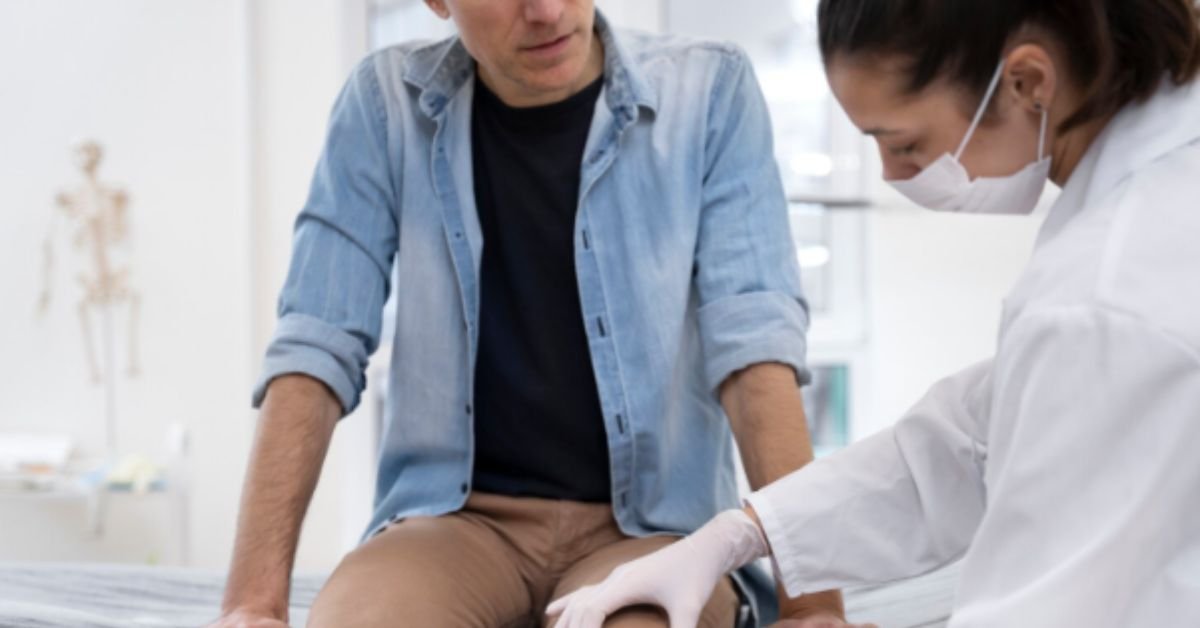
Falls can happen to anyone—at home, on a walk, during sports, or while going about daily tasks. For some, the pain fades quickly. But for others, lingering discomfort, stiffness, or swelling in the knee can signal a more serious issue. Knowing when to take action can make all the difference in recovery. Many people delay seeking care, assuming rest and time will be enough. But untreated knee injuries can worsen and lead to long-term mobility problems. We will explore when it’s time to stop waiting and start seeking relief with a qualified knee injury doctor. Understanding the body’s warning signs and acting early can reduce complications, ease pain, and get you back on your feet faster—both physically and emotionally.
Key Signs You Should Consult a Knee Injury Doctor After a Fall
- Persistent Swelling or Stiffness Beyond a Few Days
After a fall, some swelling around the knee is expected, particularly if the impact was direct. But when swelling doesn’t go down within a few days or seems to worsen, it’s a sign that something deeper could be wrong. The knee is filled with ligaments, tendons, cartilage, and fluid. If the inner joint becomes inflamed or damaged, the body produces fluid as a response, leading to swelling. In such cases, ignoring the issue can lead to chronic inflammation or tissue damage. A knee injury doctor in Houston can perform diagnostic imaging to determine whether the swelling is due to a torn ligament, meniscus injury, or internal bleeding within the joint. Moreover, persistent stiffness that makes it difficult to bend or straighten the leg fully is another warning flag. If basic movements become difficult, seeking professional evaluation ensures the joint receives the necessary support before things deteriorate further.
- Difficulty Walking or Bearing Weight on the Injured Leg
Walking should not be painful after a minor fall. If you find yourself limping, favoring one leg, or unable to walk without discomfort after several hours or days, it’s likely more than a simple bruise. The knee absorbs a significant portion of the body’s weight during movement. Damage to the cartilage or ligaments can disrupt this function, making walking painful and risky. It’s important not to compensate for the pain by shifting weight onto the opposite leg, as this can lead to new issues in the hips or back. A knee injury doctor will assess your ability to bear weight, run imaging tests like an MRI if needed, and help you avoid worsening the injury. Early diagnosis can also prevent long-term gait issues or nerve complications from developing. If you’re unable to stand or walk without bracing or assistance within 48 hours of your fall, don’t wait—get checked.
- Audible Popping, Snapping, or Grinding Sensations
One of the most alarming sensations people describe after a fall is hearing or feeling a “pop” in the knee. This sound could indicate a torn ACL (anterior cruciate ligament), a meniscus tear, or a dislocation. While the sound alone isn’t a diagnosis, it should never be ignored, especially if it’s followed by intense pain or swelling. Grinding, snapping, or clicking during movement can also be signs of cartilage damage or patellar tracking problems. These aren’t issues that resolve with rest alone. Over time, cartilage damage can worsen and even lead to osteoarthritis if untreated. A knee injury doctor can identify what structure is affected and recommend options ranging from physical therapy to bracing or minimally invasive procedures. Paying attention to these internal signals can help preserve your mobility and reduce long-term degeneration in the joint.
- Visible Deformity or Unusual Knee Alignment
After a fall, take a close look at the position of your knee and the surrounding leg. If your knee appears misaligned, unusually bent, or visibly swollen on one side more than the other, it could point to a dislocation, fracture, or ligament rupture. A fall with high impact can sometimes force the patella (kneecap) out of its groove, which creates a noticeable shift in shape. This type of injury often requires urgent care to realign the joint and ensure no ligaments are torn. Even if the pain isn’t excruciating at the moment, structural damage can become more painful over time. A knee injury doctor will evaluate the bone structure and joint alignment using imaging and physical assessments, then recommend the appropriate course of action. Ignoring a visible deformity may result in chronic instability and poor joint function down the road.
Recovering after a fall should not be left to chance, especially when the knee is involved. The knee is a complex joint that bears much of the body’s weight and controls everyday movements. Delaying care for pain, swelling, or instability can cause long-term issues that affect your mobility, comfort, and lifestyle. Whether your symptoms are subtle or severe, listening to your body and acting promptly ensures a safer and more effective recovery. Don’t wait for discomfort to turn into a chronic condition. Getting support early can restore your confidence, protect your joint health, and help you return to life without limits.