

Chronic pain remains a significant challenge for millions of people around the world, often affecting their ability to work, engage in daily activities, and enjoy life fully. Traditional pain management strategies sometimes fail to provide long-term relief, so experts and patients are turning to new, integrated solutions. Innovative surgical interventions, such as advanced Mako robotic-assisted knee replacement, are becoming vital parts of modern pain management by offering more precise and potentially faster recovery options for sufferers of debilitating joint pain.
As the understanding of chronic pain evolves, healthcare systems increasingly favor multidisciplinary approaches. Instead of relying on single interventions, modern pain management encompasses a blend of medical, psychological, and technological therapies. This evolution allows clinicians to tailor programs for individual patients, increasing the likelihood of successful and sustainable relief.
Integrative Therapies: A Holistic Approach
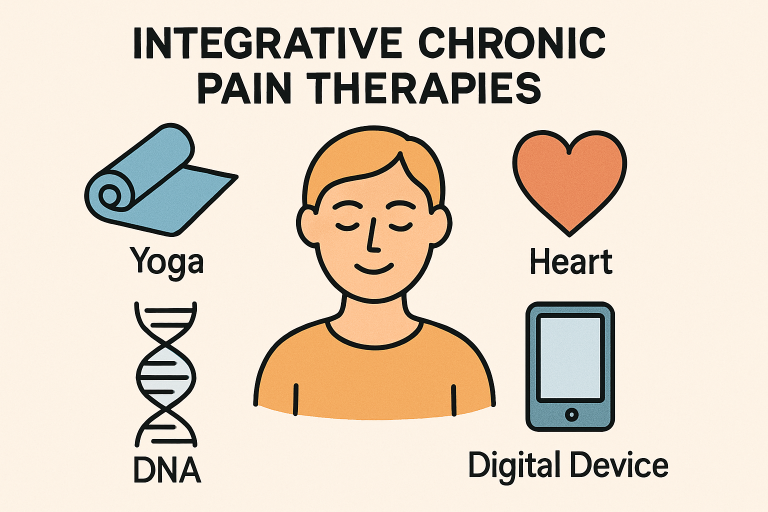
Integrative pain therapies draw from multiple specialties, combining medical care, physical rehabilitation, psychological support, and complementary practices like acupuncture, yoga, and nutritional counseling. This multidisciplinary approach ensures that all dimensions of chronic pain are addressed. Physical therapy remains a cornerstone, helping patients regain strength and flexibility while decreasing pain through targeted exercises and manual techniques. At the same time, complementary modalities often help patients manage stress, enhance relaxation, and reduce the need for high-dose pharmaceuticals.
Mindfulness-Based Interventions
Mindfulness-based practices, such as mindfulness-based stress reduction (MBSR) and mindful meditation, are rapidly growing in popularity in chronic pain programs. By fostering an accepting and non-reactive awareness of pain, these interventions target the brain’s response to discomfort and help reduce suffering. Recent clinical studies have found that patients engaged in mindfulness training report less pain intensity and an improved ability to cope with ongoing discomfort.
Cognitive-Behavioral Therapy (CBT)
CBT focuses on changing the patterns of negative thinking and maladaptive behaviors that often accompany chronic pain. Through CBT, patients learn coping strategies such as pacing, goal-setting, and reframing unhelpful thoughts, which can reduce feelings of helplessness and improve physical activity levels. Research consistently supports the value of CBT in managing conditions like fibromyalgia, back pain, and arthritis. Psychologists and pain specialists often collaborate to create programs that bridge the mental and physical aspects of pain management, resulting in improved patient outcomes.
Regenerative Medicine: Healing from Within
Regenerative medicine represents one of the most exciting areas of innovation in pain care. Treatments like platelet-rich plasma (PRP) therapy and stem cell injections facilitate the repair and regeneration of damaged tissues. These therapies are particularly promising for age-related degenerative joint conditions, soft tissue injuries, and osteoarthritis. Early research shows that regenerative approaches can reduce inflammation, promote healing, and decrease reliance on invasive procedures. Although further long-term studies are necessary, these techniques are becoming more widely available to patients seeking alternatives to surgery and chronic medication.
Neuromodulation Techniques
Advancements in neuromodulation technology have opened new doors for those suffering from refractory chronic pain. By delivering targeted electrical impulses to specific nerves or the spinal cord—through systems such as spinal cord stimulation (SCS) and peripheral nerve stimulation (PNS)—neuromodulation interrupts pain signals before they reach the brain. These devices can be customized to patient needs, significantly improving their quality of life, especially when more conservative treatments have failed. Increasingly refined, less invasive devices are expanding access to more patients.
Virtual Reality and Digital Health Tools
Technological innovation is transforming pain management through digital health apps and immersive therapies like virtual reality (VR). VR therapy offers distraction and relaxation, helping patients retrain their brains and reduce pain perception during and after immersive experiences. Simultaneously, digital health platforms revolutionize patient engagement, enabling real-time symptom tracking, progress measurement, and direct provider communication. These tools allow for ongoing monitoring and more personalized adjustments to therapy plans, keeping care proactive and responsive.
Personalized Pain Management Plans
No two chronic pain patients are exactly alike. Personalized medicine now considers genetics, lifestyle, comorbidities, and patient preferences. This individualized approach can include genetic testing for medication metabolism, detailed functional assessments, and collaborative goal-setting. By tailoring care to the person, rather than just the diagnosis, providers maximize the chances of successful pain reduction, improved mood, and increased participation in daily life. Patients are encouraged to take active roles in their care, fostering more sustainable and meaningful recovery.
Embracing a multifaceted model of chronic pain management—drawing on surgery, rehabilitation, psychology, and technology—puts effective and sustainable relief within reach for many. By leveraging established treatments and emerging innovations, modern pain care offers hope to those whose lives have been dominated by discomfort for too long.