
In an era where the safety of personal and business belongings is increasingly important, self-storage facilities are evolving to meet modern security demands. Customers expect more than just a lock and key; they want peace of mind knowing their possessions are protected against theft, damage, and unauthorized access. We will explore the innovative approaches storage facilities are implementing to strengthen security measures. From technological advancements to operational changes, facilities are rethinking how they protect stored items while maintaining convenience for users. These changes reflect a broader trend of integrating digital solutions with traditional physical security, ensuring that storage services remain reliable and trustworthy in a rapidly changing landscape.
Enhancing Security Measures in Self-Storage
- Advanced Surveillance Systems
Modern storage facilities are increasingly investing in high-resolution cameras and surveillance networks. Unlike traditional setups that relied on a few cameras in hallways or entrances, contemporary systems monitor every angle, including outdoor perimeters and individual unit corridors. Motion detection and night vision capabilities ensure that unusual activity is immediately captured and recorded, reducing blind spots that could otherwise be exploited. Additionally, some facilities in Kelowna, BC, integrate cloud-based video storage, allowing managers and authorized users to access footage remotely. This not only enhances the monitoring process but also serves as a deterrent for potential intruders. Continuous upgrades in camera technology, combined with AI-based monitoring, allow facilities to detect unusual patterns automatically, creating a proactive rather than reactive security system.
- Electronic Access Control
Keypad entry, RFID cards, and biometric scanners are replacing traditional padlocks and physical keys. Facilities now employ systems that require unique codes or authorized identification for access, which can be tracked in real time. Each entry or exit is logged, providing managers with a detailed record of who entered which unit and when. This level of monitoring prevents unauthorized entry and gives customers confidence that only designated individuals can reach their belongings. Biometric systems, such as fingerprint or facial recognition, further reduce the risk of code sharing or theft. Combined with user-friendly interfaces, these technologies balance tight security with customer convenience, ensuring that accessing stored items remains straightforward while maintaining high levels of control.
- Enhanced Perimeter Protection
Fencing and barriers have long been the first line of defense for storage facilities, but modern designs are more sophisticated. High walls, anti-climb fencing, and secure gates limit unauthorized access to the property. Many facilities now include electronic gates with intercom systems, requiring remote verification before granting entry. Exterior lighting has also evolved to reduce dark areas where intruders might hide, with motion-activated lights creating additional deterrence. Some facilities even integrate sensors along perimeters that alert management to potential breaches, ensuring quick intervention. By combining physical barriers with electronic monitoring, storage sites create a layered security approach that significantly decreases the likelihood of unauthorized entry.
- Environmental and Fire Safety Integration
Security now extends beyond theft prevention to protecting items from environmental threats. Smoke detectors, fire alarms, and sprinkler systems are integrated into storage layouts to minimize damage risks. Many facilities utilize climate-controlled units to prevent deterioration from humidity, temperature fluctuations, and other environmental factors. Surveillance systems can also monitor for potential hazards, such as water leaks or fire outbreaks, allowing for immediate response. This holistic approach shows that modern storage security considers all possible risks to belongings, emphasizing safety from both human and environmental threats. Customers benefit from knowing that their possessions are safeguarded not only from theft but also from unexpected damage, enhancing the overall reliability of storage services.
- Cybersecurity and Digital Management
As self-storage facilities adopt digital platforms for reservations, payments, and monitoring, cybersecurity becomes a crucial component of modern security. Customer information and access records are stored digitally, requiring encryption and secure data management practices to prevent breaches. Facilities invest in firewalls, secure login systems, and routine audits to maintain data integrity. Remote monitoring and online management tools also necessitate strong security protocols to prevent unauthorized digital access. By safeguarding both physical and digital assets, facilities ensure that customers can trust their storage services completely. This dual focus on cyber and physical security highlights the evolving nature of facility management, where technology plays a central role in protecting all aspects of operations.
- On-Site Personnel and Response Systems
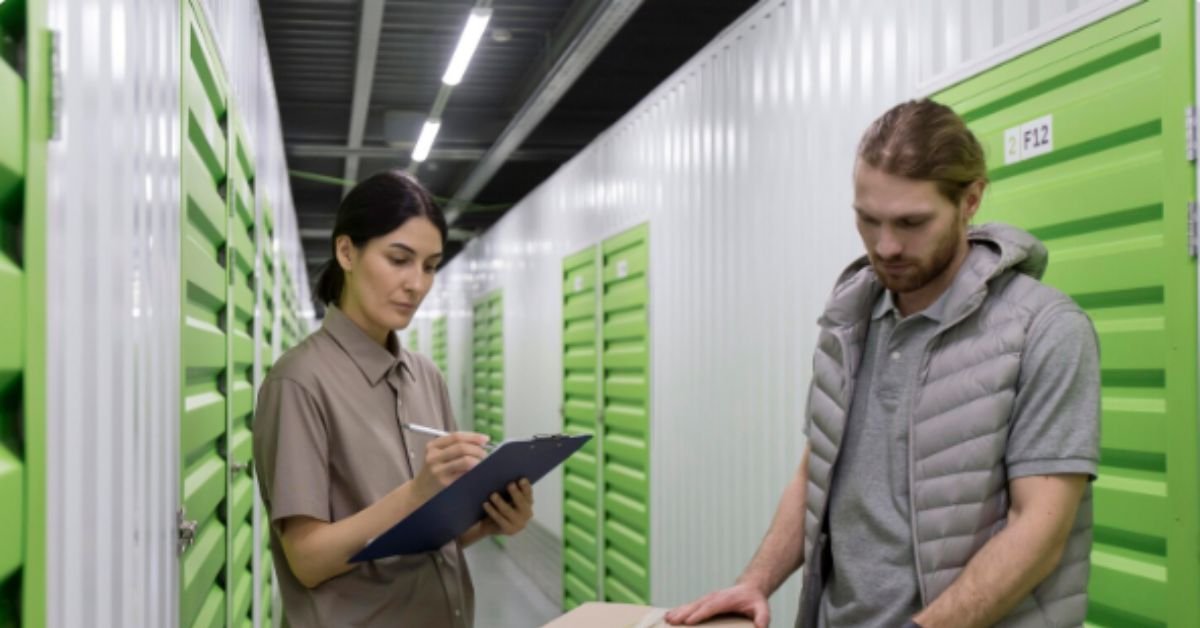
While technology plays a key role, human presence remains a vital component of security. Many facilities employ on-site managers or security personnel to monitor systems, respond to incidents, and perform regular inspections. Combined with rapid-response agreements with local law enforcement or security services, this approach ensures that threats are addressed immediately. Personnel also assist in customer inquiries, verifying identities, and guiding them through access protocols. This human element complements technological solutions, creating a comprehensive security network that balances automation with real-time intervention. Customers gain reassurance from knowing that both electronic systems and trained personnel are working together to maintain a secure environment for their stored items.
Modern self-storage facilities are no longer simple spaces for storing items; they are complex systems designed to address a wide range of security needs. By integrating advanced surveillance, electronic access control, perimeter protection, environmental safety measures, cybersecurity, on-site personnel, customer communication, and smart technology, these facilities create multi-layered defense networks. Each measure contributes to a stronger sense of security for customers, ensuring their possessions are protected from theft, environmental hazards, and unauthorized access.