
What Is Child Custody?
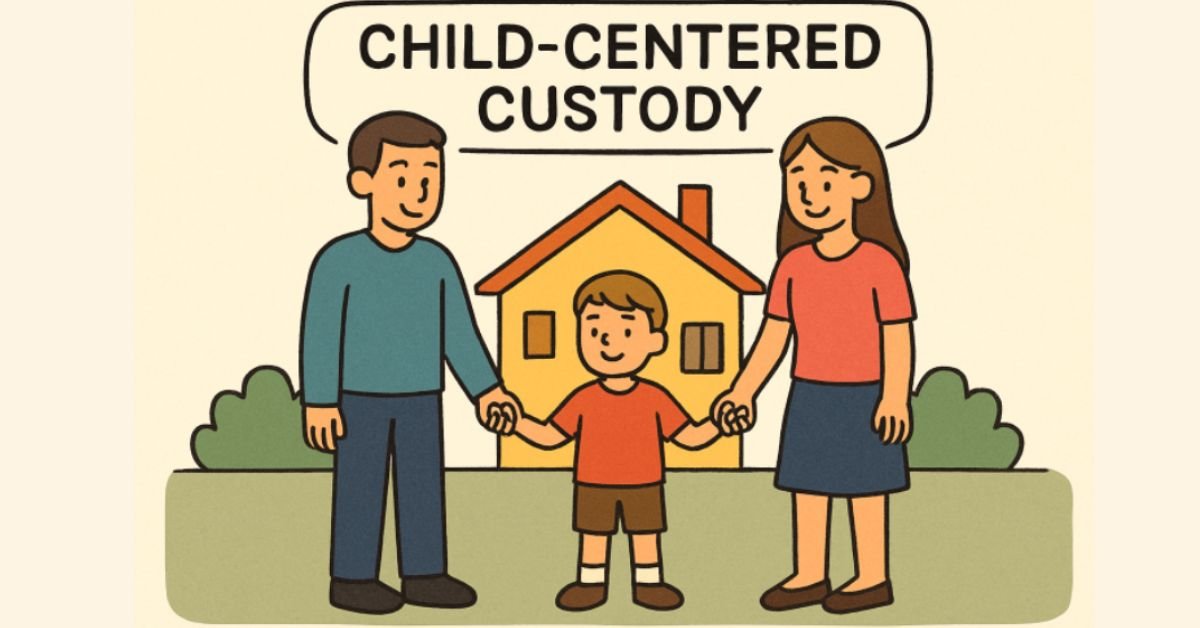
Child custody determines who has the legal and practical responsibility to care for a child when parents separate or divorce. It encompasses more than deciding which parent the child lives with—custody addresses the ability to make essential decisions about the child’s upbringing, from schooling and health care to everyday needs and values. The question of who gets the kids in a divorce is resolved based on a comprehensive evaluation of the child’s needs, family circumstances, and sometimes, the child’s preference.
Responsible child custody arrangements are at the heart of post-separation parenting. Because families and their circumstances vary widely, courts and mediators look for flexible solutions designed to promote children’s stability and well-being. Custody cases can be emotionally challenging, so prioritizing clear communication, planning, and the child’s long-term interests is crucial for all involved.
Factors That Influence Custody Decisions
When determining custody, courts carefully consider a range of factors that are unique to each family. These factors often include each parent’s relationship with the child, their ability to meet the child’s needs, work and living arrangements, and, in some cases, the proximity of each parent’s home to the child’s school and social network. Any documented history of abuse, neglect, or domestic violence will also significantly impact decisions regarding custody and visitation rights.
U.S. courts typically apply the “best interests of the child” standard. This means decisions are not based solely on the parents’ desires, but rather on ensuring the child’s safety, health, and continuity of care. As noted by experts and reflected in evolving family law trends, arrangements that foster strong, ongoing relationships with both parents are encouraged whenever possible as long as they align with the child’s best interests. For families seeking more insights on these considerations, Nolo provides an overview of custody decision factors commonly weighed in court.
Physical vs. Legal Custody
Child custody typically falls into two main categories: physical and legal custody. Physical custody refers to the child’s primary residence and the individual responsible for their daily routine. Legal custody, on the other hand, deals with the authority to make major decisions for the child, such as choices related to education, health care, and religious upbringing.
One parent can hold sole legal custody while both parents share physical custody, or vice versa. Customizing these arrangements to reflect the child’s needs and family circumstances can lead to better outcomes and fewer disputes over time.
Joint or Sole Custody: What’s the Difference?
- Joint custody: Both parents work together to share custody rights and responsibilities. This may involve an even division of the child’s time or other balanced arrangements, depending on what works best for the child and family.
- Sole custody: One parent has primary responsibility for the child, including making significant life decisions. The noncustodial parent may still have rights to visitation and involvement, but their authority over decision-making is limited.
Recent findings from the Centers for Disease Control and Prevention (CDC) indicate that joint custody has become more common, supporting research that shows children tend to benefit when both parents actively participate in their lives, provided it serves their best interests.
The Best Interests of the Child Standard
At the heart of every custody case is the commitment to the child’s best interests. Courts examine all aspects of the child’s physical, emotional, and psychological needs, and the environments each parent can provide. This typically includes factors such as the stability and safety of each parent’s home, the quality of the parent-child relationship, and the ability of parents to communicate and cooperate in matters concerning the child.
The aim is always to reach an arrangement that supports the child’s growth while minimizing disruption and emotional distress. Stable, loving environments and ongoing parental involvement are significant contributors to a child’s well-being after parental separation.
Coping with Change: Communication and Transition
The transition period following separation can be challenging, particularly for children. Positive communication between parents is crucial for reducing children’s stress and helping them adapt to new routines. Establishing clear and predictable schedules, sharing key information, and maintaining mutual respect are all essential strategies for co-parenting.
Support from family therapists, counselors, or mediation services can further ease the transition, offering guidance for building effective communication skills and fostering healthy relationships between parents and children.
The Role of Child Preference in Custody
Courts sometimes consider a child’s stated preference regarding custody, especially as children mature and their opinions become more informed. The impact of this preference varies—judges may give more weight to older children’s choice, but will balance their wishes with what’s genuinely in their best interests according to the law.
While a child’s viewpoint is important, it is always just one factor among many. Protecting children from being placed in the middle of disputes is a top priority for most family courts and professionals.
Common Misconceptions about Child Custody
- Myth: Mothers always get custody.
- Myth: Teenagers can choose where they want to live.
- Myth: Losing custody means never seeing your child again.
Modern family courts focus on equitable standards. Decisions are made based on each family’s unique needs and dynamics rather than outdated assumptions about parental roles or gender. Both mothers and fathers have equal opportunities to seek custody if they demonstrate their capacity to care for their children.
Resources and Support
Navigating custody involves significant emotional, legal, and practical challenges. Parents can find help through community family law clinics, parenting education classes, counseling services, and national support groups. Reliable guidance can also be found in well-established publications; for instance, Parents Magazine offers expert advice on supporting your child through divorce.
Staying informed, seeking legal counsel when needed, and tapping into support networks can make a vital difference for families undergoing these changes. With the right resources and a focus on cooperation, parents can lay the groundwork for a positive, stable future for their children after separation.