
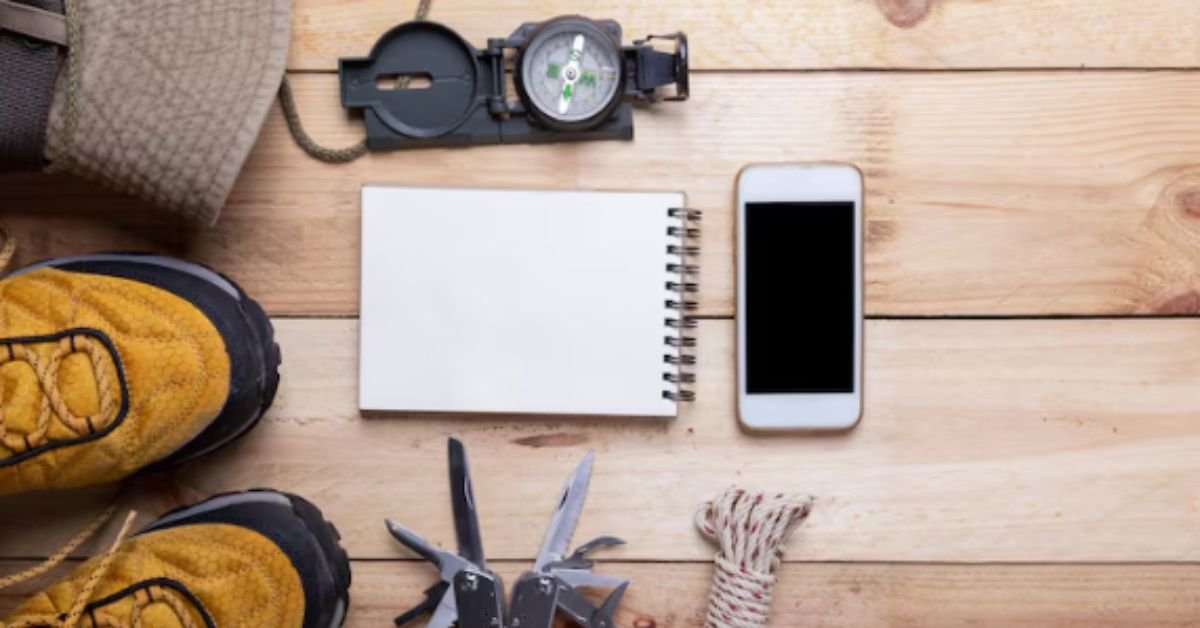
Venturing into the wild can be one of the most rewarding experiences, whether you’re hiking remote trails, camping under the stars, or embarking on a multi-day trek. Planning, however, is essential to ensure both safety and comfort. Having a thorough checklist ensures you never leave behind essential items or find yourself unprepared for nature’s surprises. The right outdoor gear can turn a challenging expedition into a transformative experience.
Before you set off, assess your destination and anticipated weather conditions so you can pack items suited for your adventure. A gear checklist is invaluable not only for beginners but also for seasoned adventurers aiming for efficiency and peace of mind. From apparel to emergency supplies, being methodical about preparation lets you enjoy the journey rather than worry about your equipment.
For those heading into regions with increased exposure or unpredictability, the importance of double-checking your equipment cannot be underestimated. Organizing your gear using this guide not only helps in packing but also when re-packing at camp and tracking inventory over longer journeys.
Adventurers should also remember that gear checklists are not just about bringing the right items—they’re a key component in risk management and environmental stewardship. Investing in reliable, high-quality pieces helps ensure not only your safety but also your continued enjoyment of the outdoors for years to come.
Essential Gear
- Backpack: Choose a pack that fits your torso and is appropriately sized for the length of your trip. Look for features such as padded straps, adjustable belts, and waterproof materials for added comfort and protection. For more guidance on selecting and packing the right gear for running trips, check out this detailed guide from Outside Online.
- Navigation Tools: Equip yourself with a reliable map, compass, or GPS unit. These are indispensable for staying on course, especially in areas with limited cell reception.
- Hydration System: Water is the most critical resource. Carry a combination of water bottles or a hydration reservoir to ensure easy access while on the move.
- First Aid Kit: Essentials include bandages, gauze, antiseptic wipes, tweezers, and any personal medications as needed. Customize your kit according to your group size and trip duration.
Clothing and Footwear
- Base Layers: Opt for synthetic or merino wool fabrics that wick moisture and dry quickly, ensuring you stay comfortable throughout the day.
- Insulating Layers: Pack items like fleece jackets or down vests and jackets, especially if you’ll be facing fluctuating temperatures.
- Outer Shell: Weatherproof jackets and pants shield you from rain, snow, and wind—crucial for maintaining core temperature and dryness.
- Footwear: Sturdy hiking boots or trail shoes with proper grip reduce the risk of slips on various terrain. Break them in ahead of time to avoid blisters.
- Accessories: Hats, gloves, and thermal socks add necessary warmth and protection, especially during cold mornings and evenings.
Shelter and Sleeping Arrangements
- Tent: Match your tent to your party size and expected weather conditions. For wet or windy conditions, opt for tents with robust rainflies and durable poles.
- Sleeping Bag: Choose bags rated for temperatures lower than the coldest you expect. Down bags are lighter for the same warmth, while synthetic fills resist moisture better.
- Sleeping Pad: A quality pad provides both insulation against the ground and comfort for a restful night’s sleep.
- Pillow: Lightweight, inflatable pillows or a stuff sack filled with soft clothing can improve sleep quality.
Cooking and Food Preparation
- Portable Stove and Fuel: Compact backpacking stoves are ideal for hot meals and beverages. Always carry extra fuel and be familiar with local regulations regarding open flames.
- Cookware and Utensils: Select lightweight pots, pans, and multi-purpose utensils. Collapsible or nesting sets save valuable pack space.
- Food Supplies: Prioritize calorie-dense, lightweight foods such as trail mix, protein bars, and dehydrated meals. Plan for an adequate amount of food with a slight emergency surplus.
- Water Filtration: Regardless of how pristine a water source may appear, always filter or purify water using pumps, straws, or purification tablets to prevent illness.
Safety and Emergency Equipment
- Headlamp or Flashlight: Essential for night navigation, late-night setups, and emergencies. Pack spare batteries and consider a backup light source.
- Multi-Tool or Knife: A compact multi-tool serves multiple purposes—repair, cutting, food preparation, and even first aid.
- Emergency Shelter: A lightweight tarp, bivy sack, or emergency blanket adds a critical safety layer in unexpected situations.
- Whistle and Signal Mirror: These compact signaling devices can be life-saving during emergencies or if you become separated from your group.
Personal Items
- Sunscreen and Lip Balm: SPF-rated products protect against harmful sun exposure, even on overcast days or snowy terrain.
- Insect Repellent: Mosquitoes and ticks are more than nuisances—they can transmit diseases. Choose repellents based on local risks.
- Personal Hygiene Items: Biodegradable soap, a travel-sized toothbrush, and a tube of travel-sized toothpaste, along with tissue or toilet paper, help maintain comfort and cleanliness.
- Identification and Cash: Carry photocopies of identification and a small amount of cash in a waterproof pouch for emergencies.
Additional Tips
- Check Weather Forecasts: Anticipating changes helps tailor your clothing, shelter, and overall strategy.
- Practice Leave No Trace Principles: Minimizing waste and environmental impact ensures these natural spaces remain wild for future explorers.
- Test Your Gear: Set up new equipment ahead of time to avoid surprises in the backcountry. Testing ensures all items work seamlessly together.
Conclusion: Prepare Well, Explore Confidently
Venturing into the outdoors is as rewarding as it is challenging, and careful preparation is essential for a safe and enjoyable adventure. By thoughtfully selecting your gear, planning for changing weather, and practicing safety and environmental stewardship, you set yourself up for success on any trail or campsite. Whether you’re a seasoned hiker or a first-time camper, following a comprehensive checklist ensures peace of mind, enhances your comfort, and allows you to embrace the transformative experience of the wild fully. With preparation in place, every step of your journey becomes an opportunity for discovery, growth, and unforgettable memories.