Introduction
Construction job sites have long been recognized as the most hazardous work environments, with injuries and incidents all too common. Today, a new era of safety is dawning through continuous innovation in workplace safety equipment. These advancements are safeguarding workers’ health and well-being, boosting efficiency, and ensuring stricter compliance with industry standards. Equipment like warehouse ladders is important in creating safer work sites by providing reliable access solutions and reducing fall risks.
This revolution is fueled by technologies that combine human-centric design, real-time data, and automation. By embracing these breakthroughs, construction companies are transforming their approach to job site safety, reducing incidents, and building a culture of prevention rather than reaction.
Wearable Technology: A Game-Changer in Worker Safety
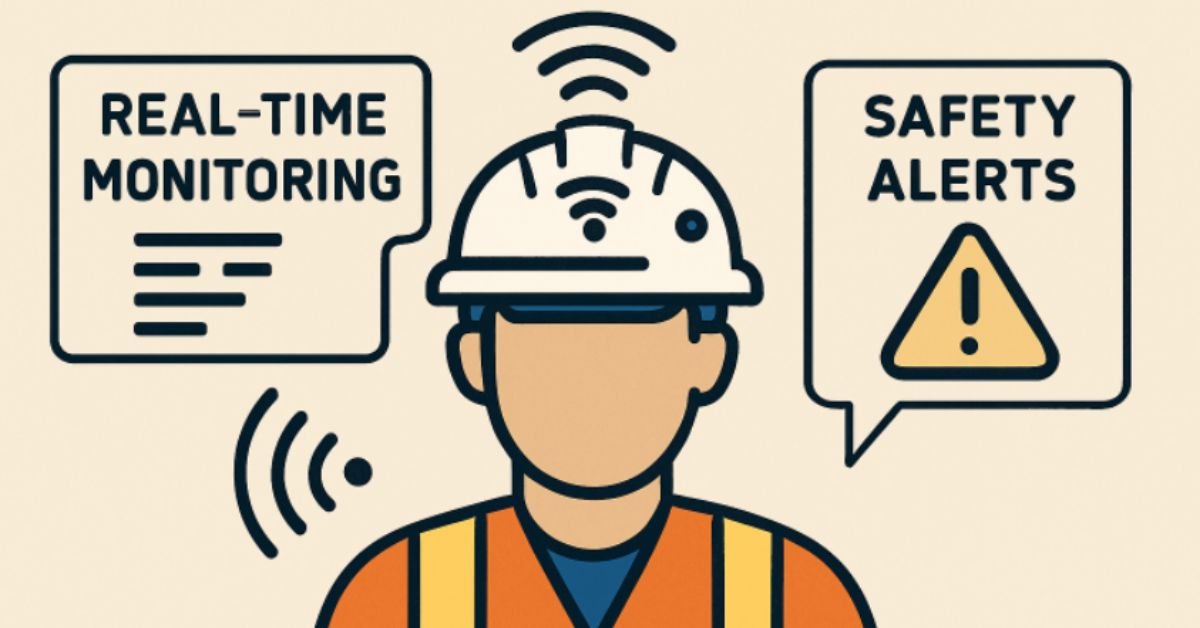
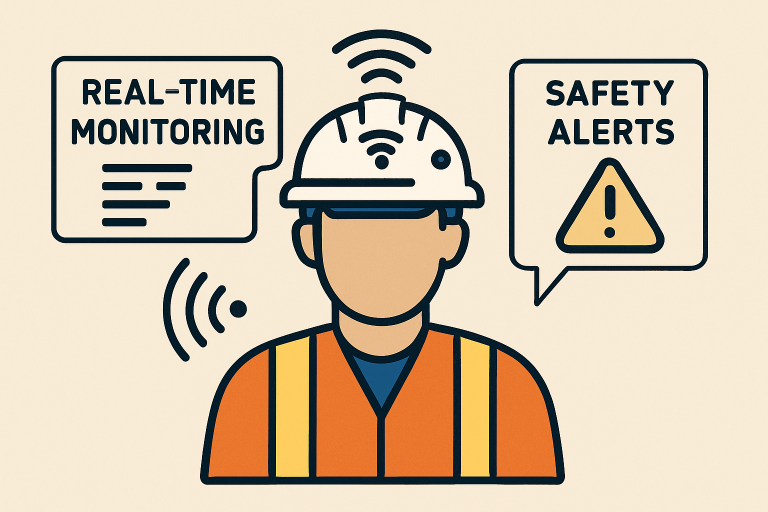
Wearable devices are at the forefront of modern construction safety strategies. Smart helmets, vests, and wristbands equipped with biometric and environmental sensors instantly update workers’ vital signs, fatigue levels, and potential exposure to hazards like extreme temperatures or toxic gases. These wearables give managers a real-time overview of site conditions, enabling them to intervene before situations escalate into emergencies.
Smart helmets also feature augmented reality (AR) overlays, supplying workers with live access to critical site information, personalized safety alerts, and on-the-job guidance. By seamlessly integrating technology into the personal protective equipment (PPE) system, companies can address both common occupational risks and fast-evolving hazards.
Artificial Intelligence and Drones: Enhancing Hazard Detection
Artificial Intelligence, paired with cutting-edge drone technology, is rapidly changing how construction sites are monitored and managed for safety. AI-driven video analytics continuously scan live footage from on-site cameras, instantly identifying hazards like missing guardrails, PPE violations, or unsafe behavior. These systems can automatically notify supervisors, minimizing the time between risk detection and correction.
Meanwhile, drones conduct aerial surveys and detailed site inspections, covering large or hazardous areas without putting human inspectors at unnecessary risk. High-resolution imaging and AI processing allow for identifying changes in site topography, unstable structures, or environmental dangers from vantage points often inaccessible to workers. These advancements mean preventive action can be taken before unsafe conditions cause harm.
Exoskeletons and Robotics: Reducing Physical Strain
Heavy lifting, repetitive motions, and strenuous postures are leading causes of musculoskeletal injuries among construction workers. Modern exoskeletons provide external mechanical support, assisting workers in lifting heavy objects or performing physically demanding tasks with less stress on their bodies. These wearable robotic suits help prevent injuries and increase workers’ stamina and overall productivity.
Robotic automation on construction sites is another leap forward, particularly in high-risk tasks such as bricklaying, drilling, or demolition. Automated bricklaying robots, for example, can work tirelessly on repetitive jobs, while demolition robots remotely handle hazardous dismantling work. By reducing direct human exposure to the most dangerous site activities, robotics lowers the incident rate and supports long-term worker health.
Data-Driven Analysis: Proactive Decision-Making
Integrating Internet of Things (IoT) devices and comprehensive site management platforms means project managers can now collect and analyze safety data on an unprecedented scale. By examining trends in reported near-misses, minor injuries, or environmental conditions, teams gain actionable insights to enhance site protocols and eliminate root causes of risks.
This data-driven approach helps companies identify and correct recurrent safety issues and enables them to anticipate potential risks before they develop into incidents. Predictive analytics informs ongoing training, targeted interventions, and policy refinement, resulting in sustained improvements to workplace safety culture.
Final Thoughts
Advanced workplace safety equipment and technology are fundamentally transforming the landscape of construction sites. Tools ranging from sensor-equipped wearables to AI analytics and robotics collectively enhance safety standards, reduce incidents, and increase productivity. By strategically adopting these innovations, companies are not just meeting regulatory requirements but creating safer, more resilient work environments for everyone on site.
The future of construction safety lies in continued investment in smart equipment, ongoing analysis, and the seamless integration of technology into everyday tasks. As the industry evolves, so must our approach to worker protection, ensuring that every employee comes home safely at the end of each day.