

Acquiring your first rifle can be both exciting and challenging. Understanding options and finding the right fit for your goals helps ensure a safe, enjoyable experience. The variety of features, calibers, and purposes can be overwhelming, but a step-by-step approach simplifies your decision. Considering factors such as purpose, fit, safety, and legalities allows you to pursue shooting sports or hunting with confidence.
Define Your Purpose
Before purchasing your first firearm, it’s crucial to define your purpose clearly. Understanding whether you intend to use it for target practice, hunting, or sport shooting helps determine the right features, caliber, and design that best suit your needs. A thoughtful approach ensures safety, confidence, and long-term satisfaction with your choice.
For those interested in outdoor pursuits, selecting the right hunting rifle Canada requires considering local regulations, terrain, and the type of game being hunted. Taking the time to research and seek expert guidance can make the process smoother, helping first-time buyers choose a reliable rifle that aligns with their goals and responsibilities.
Understand Rifle Types
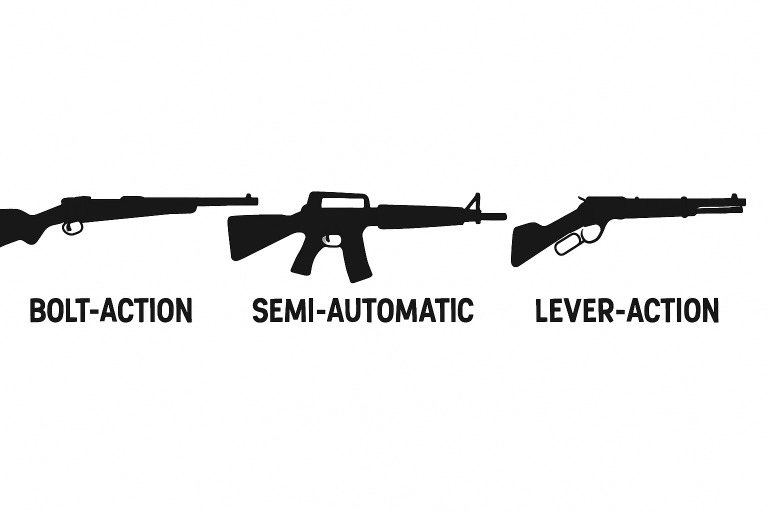
There are several main configurations to consider when browsing rifles. Each operates differently and offers unique advantages:
- Bolt-Action Rifles: Favoured for their simplicity, reliability, and accuracy, they are preferred by hunters and marksmen for consistent long-distance shots.
- Semi-Automatic Rifles: Valued for rapid firing, widely used in target shooting, competitions, and hunts needing quick follow-ups.
- Lever-Action Rifles: Combine classic style with smooth handling, popular among collectors and practical for hunting in brush-heavy areas.
Caliber Considerations
Caliber refers to the diameter of the rifle’s barrel and the projectile it fires, which affects recoil, power, and ammunition cost. For first-time rifle owners, the .22 Long Rifle (LR) is an excellent entry point. This caliber offers minimal recoil, affordable ammo, and is ideal for small game hunting and target practice.
As experience grows, shooters may move to larger calibers suited to their goals. For hunting deer or larger game, consider a .243 Winchester or .308 Winchester. Always match your rifle’s caliber to your intended uses—using an underpowered or overpowered round will impact both safety and effectiveness.
Fit and Comfort
Comfort is crucial for safety and accuracy in rifle use. Ensure the rifle feels balanced, with an appropriate length of pull and weight, to minimize fatigue and ensure consistent shooting. Testing various models at a local firearms store, checking trigger reach, and sight alignment with your view is recommended. Professional fitting may also enhance comfort for individuals with specific physical requirements.
Budget Planning
Budget planning for a rifle should focus on quality to ensure safety and longevity. Allocate funds for essential accessories such as optics, a sturdy case, a cleaning kit, and a sling. Conduct thorough market research to understand features and reviews rather than choosing based solely on price. Investing in a reputable brand may yield better performance and service, while also considering the ongoing cost of ammunition for regular shooting.
Safety and Training
Learning the basics of rifle safety is non-negotiable for new owners. Enroll in a certified firearm safety course, where you’ll cover proper handling, storage, and maintenance. Practicing at a reputable shooting range not only builds confidence but also improves marksmanship in a secure environment.
Legal Requirements
Every region has specific laws surrounding rifle ownership. Familiarize yourself with background check requirements, mandatory waiting periods, and safe storage rules. Strict adherence not only keeps you legal but also helps prevent accidents or misuse. Canada’s regulations may differ from those of the United States or the UK, so review official government resources for current requirements.
Maintenance and Accessories
Routine cleaning and maintenance keep your rifle in top condition. Use a comprehensive cleaning kit and follow the recommended procedures for your model. Regular upkeep preserves accuracy and prevents malfunctions or premature wear. Choose practical accessories; a quality optic improves aim, and a comfy sling makes transport easier. As you gain experience, consider upgrading components or customizing your rifle.
Final Thoughts
Choosing your first rifle involves striking a balance between purpose, fit, safety, and legality. Take the time to research, try firearms in person, and invest in training and proper storage. With thoughtful budgeting, routine maintenance, and respect for local regulations, you’ll enjoy a safer, more confident shooting or hunting experience for years to come.