
Introduction
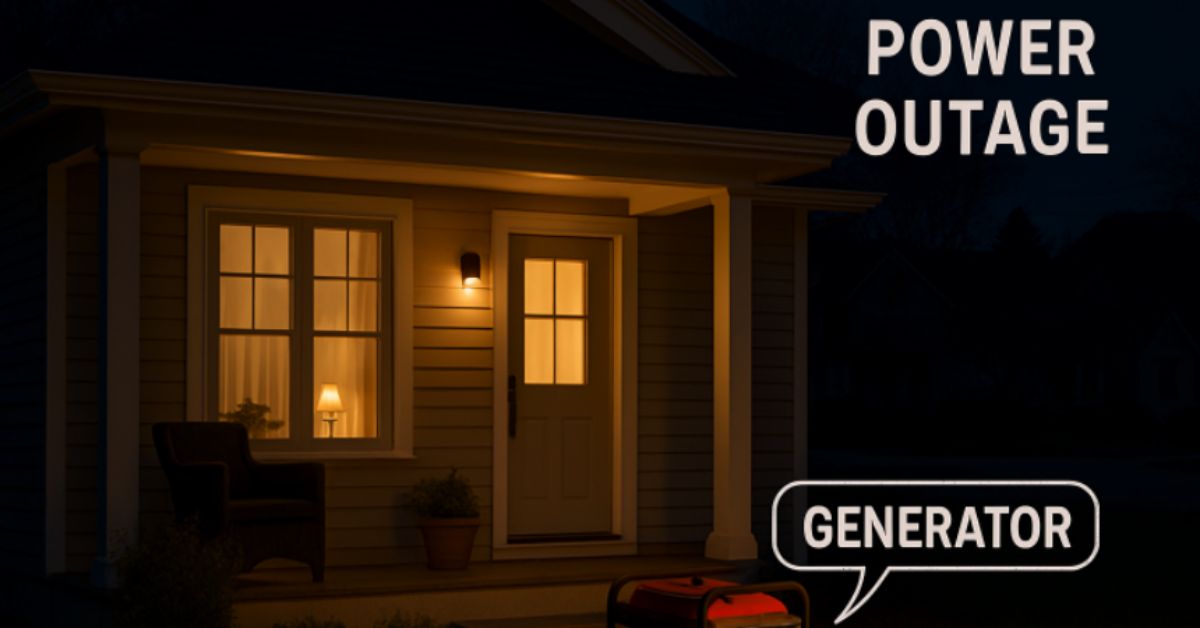
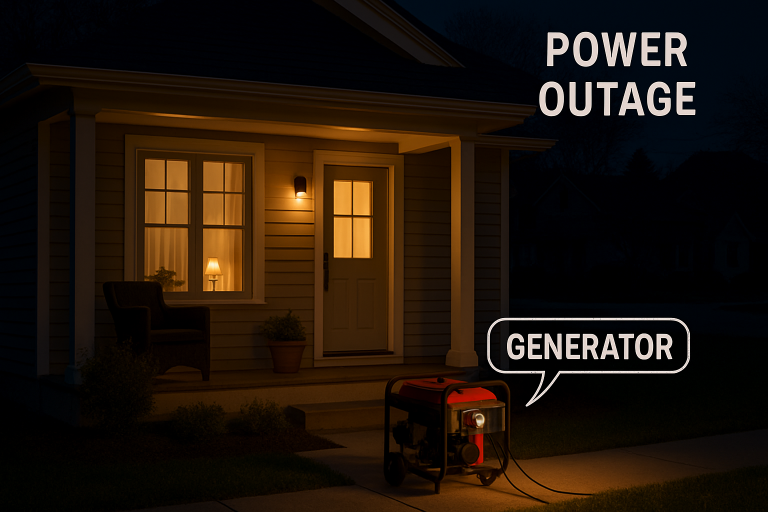
Power outages can happen with little warning, causing inconvenience and even risking your safety. When the lights go out, a reliable backup power source becomes essential for modern households. That’s why many homeowners are turning to generators to keep their homes running smoothly when the grid fails.
Whether caused by severe storms or infrastructure failures, outages can leave your family without lighting, heating, refrigeration, and the ability to stay connected. A generator bridges these gaps, providing much-needed peace of mind and ensuring your daily routines remain uninterrupted. Without a generator, power outages can lead to food spoilage, frozen pipes, loss of heating or cooling, and communication issues. Planning ahead and choosing the right generator helps protect your home, keep essential devices running, and reduce stress during emergencies.
Common Causes of Power Outages
- Severe Weather: Hurricanes, blizzards, and thunderstorms remain the primary culprits behind widespread outages. Heavy winds, flooding, and falling trees can damage power lines and transformers.
- Grid Overload: During extreme temperatures, demand on the electrical grid peaks. Excess usage can cause system failures, triggering rolling blackouts.
- Maintenance Issues: Routine repairs, aging infrastructure, and equipment malfunctions are recurring sources of localized outages. As electrical networks age, failures can become more common and prolonged.
Benefits of Owning a Home Generator
- Continuous Power Supply: A home generator ensures that key systems—like the refrigerator, lights, and life-saving medical devices—remain operational without interruption.
- Prevents Food Spoilage: Power outages lasting more than a few hours can result in costly food waste. Generators help preserve perishable goods and reduce waste.
- Maintains Home Comfort: When HVAC systems shut off due to outages, indoor temperatures quickly become uncomfortable. Standby generators power your heaters, air conditioners, and other comfort-related electrical products so you don’t have to leave home.
- Supports Remote Work: As more people work from home, reliable power is critical to staying productive. A generator keeps modems, computers, and other essential electronics running smoothly.
Types of Home Generators
- Portable Generators: These units offer a flexible and cost-effective solution for short-term power needs. Portable generators must be started manually and can power a limited number of appliances via extension cords. This makes them ideal for camping, outdoor use, or short outages.
- Standby Generators: Permanently installed outside your home, they automatically turn on when an outage is detected. They’re connected directly to your home’s electrical system, often running on natural gas or propane. While representing a higher upfront cost, standby models can power your entire home and offer a hands-off, seamless transition.
For a more in-depth overview of how each type works, key safety tips, and guidance on sizing, you can visit This Old House.
Deciding between these two types depends on your household’s unique needs, budget, and risk factors. For more extended outages and larger homes, standby systems provide unmatched reliability.
Safety Considerations
- Never run generators indoors or in enclosed spaces: Doing so can cause dangerous carbon monoxide buildup. Always place generators outside, far from windows and doors.
- Protect generators from moisture: Exposure to rain or flooding increases the risk of electrical shock. Use covers or shelters specifically designed to allow ventilation while keeping the unit dry.
- Use proper extension cords: Heavy-duty, outdoor-rated cords are mandatory. Never try to power your home by plugging a generator into a wall outlet—this can backfeed electricity to the grid and put utility workers at risk.
Observing these guidelines not only keeps your family safe but also maximizes your generator’s lifespan and effectiveness.
Cost Considerations
The initial costs involved in purchasing and installing a generator can be significant, especially for a standby system. However, this investment can pay off in avoided expenses such as replacing spoiled food, hotel stays during cold snaps or heat waves, and even repairs to frozen pipes or flooded basements.
Maintenance is another aspect of generator ownership, with routine servicing and proper storage required to ensure the generator remains ready. As with any major purchase, it’s wise to compare the cost of a generator with the potential losses and disruptions from extended power outages.
Conclusion
Every home can benefit from the preparedness, security, and peace of mind that comes with owning a generator. By understanding the causes of power outages and making smart choices about backup power solutions, you’ll protect your family and property—no matter what comes your way. For modern households, investing in a reliable generator isn’t simply a luxury; it’s an essential part of being ready for the unexpected.