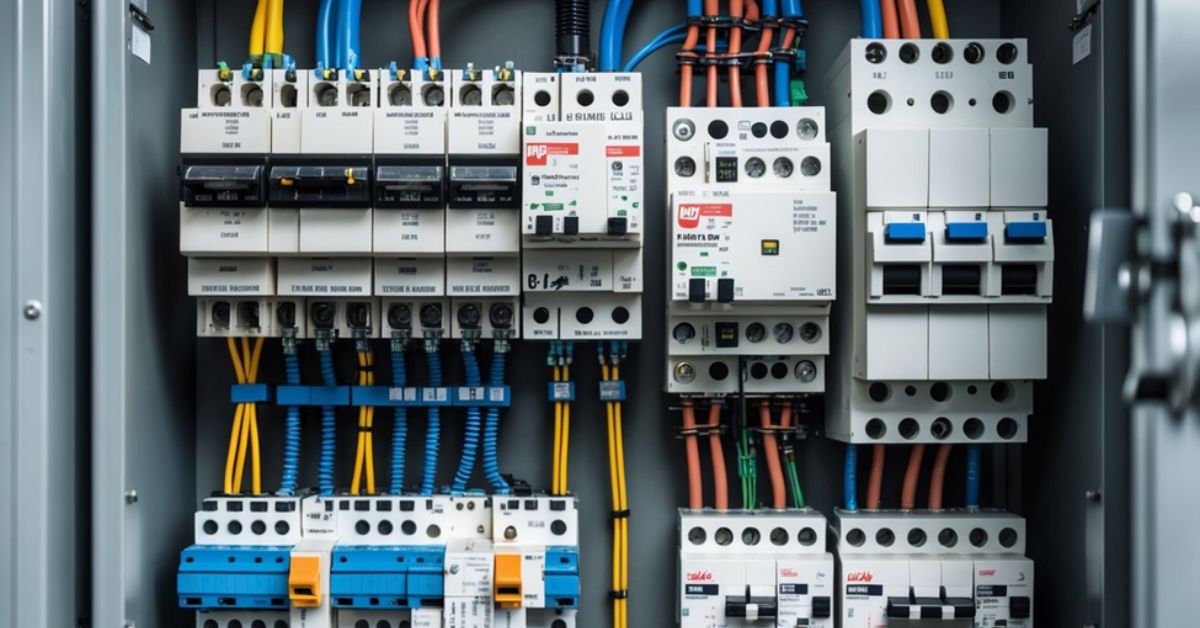
Motor circuit protection is essential for keeping electrical motors safe and working properly. It involves using devices that guard motors against damage from overloads, short circuits, and ground faults. The core purpose of motor circuit protection is to prevent motor failure and ensure safe operation by selecting the right overload and overcurrent protection devices based on the motor’s specifications.
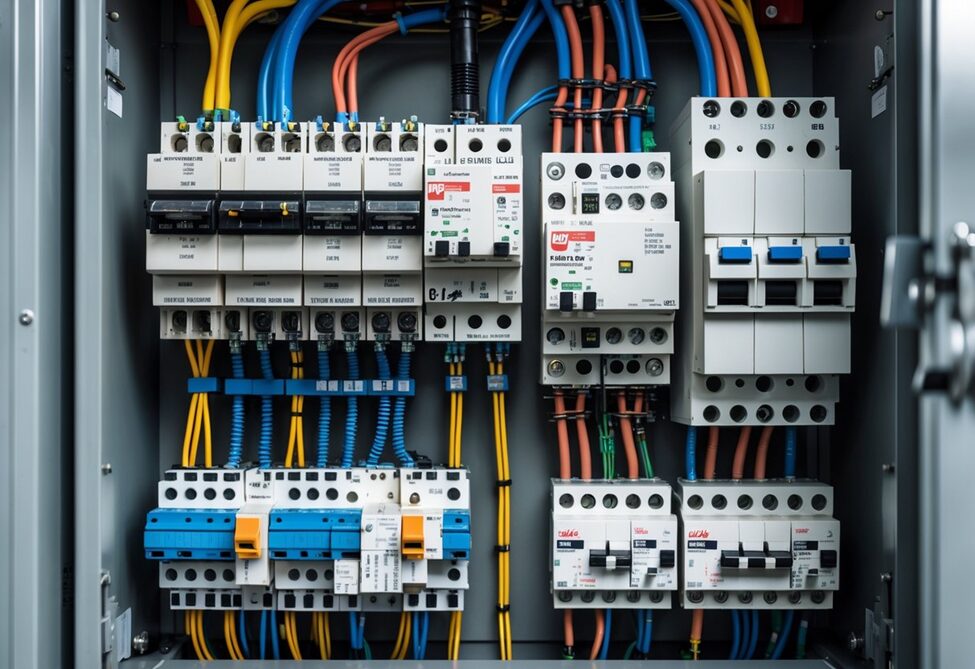
Understanding the differences between overload and overcurrent is key. Overload happens when a motor runs longer than its normal full-load rating, causing overheating. Overcurrent includes overload but also covers faults like short circuits and ground faults, which require different protection methods. Motor circuit protection follows standards set by the National Electrical Code (NEC), which guides how to size protective devices and conductors for reliable motor performance.
Motors also need branch circuit protection that can handle large starting currents without causing nuisance trips. Proper sizing of fuses, circuit breakers, and conductors ensures motors start correctly and run safely. As technology advances, adjustable-speed drives and modern motor starters add new layers to motor protection, making it important to understand the basics before designing or maintaining motor circuits.
Essential Principles of Motor Circuit Protection

Motor circuit protection focuses on preventing damage caused by electrical faults. It relies on devices that detect excessive current, overheating, and unintended electrical paths to ground. Proper protection ensures motor safety, reduces downtime, and extends equipment lifespan.
Importance of Motor Protection
Motor protection prevents damage from electrical and mechanical stresses. Motors can fail due to overheating, short circuits, or mechanical overload. Without protection, these faults can cause costly repairs or dangerous situations like fires.
Effective protection helps motors run reliably by detecting problems early. This reduces unexpected shutdowns and extends motor life. Protection devices, such as overload relays and circuit breakers, isolate faults before serious damage occurs.
Safety is a critical factor. Proper motor protection minimizes risks of electrical shock and fire hazards. It also ensures compliance with electrical codes and standards. In industries, this helps maintain productivity and protect personnel.
Overview of Overcurrent and Overload
Overcurrent occurs when current flow exceeds the motor’s rated capacity. It includes two main types: overload and short circuit current. Overload refers to sustained high current that causes motor heating. Short circuit is a sudden surge that can instantly damage equipment.
Overload protection uses thermal or electronic relays to sense excessive current over time. These devices trip the motor starter to prevent overheating. Correct relay settings are important to avoid nuisance tripping but still respond promptly.
Overcurrent devices like fuses and circuit breakers protect against short circuits by disconnecting power quickly. Proper sizing and coordination between overload and short-circuit protection are vital to maintain motor safety and reduce downtime.
Role of Ground-Fault Protection
Ground-fault protection detects unintended current leaking from the motor circuit to ground. This leakage can cause shocks, equipment damage, or fire hazards. Ground faults often result from insulation failure or wiring issues.
Devices like Ground Fault Circuit Interrupters (GFCIs) and Residual Current Devices (RCDs) monitor current balance. When imbalance occurs, they trip the circuit to cut off power immediately. This action prevents harm to people and equipment.
Ground-fault protection is essential in environments where moisture or damage increases risk. It ensures early fault detection and helps maintain safe motor operation. Integrating ground-fault devices complements overload and short-circuit protections for comprehensive motor safety.
Protection Devices and Methods

Motor circuit protection relies on devices designed to respond to specific electrical faults. These include components that handle high currents, excessive heat, and sudden short circuits. Each device plays a critical role in preventing damage by disconnecting power when conditions threaten motor safety and functionality.
Fuses and Their Functionality
Fuses provide basic circuit protection by breaking the circuit when current exceeds a safe level. They contain a metal element designed to melt quickly under overload or short circuit conditions.
Their speed in interrupting current makes them effective for protecting wiring and equipment. However, fuses must be chosen carefully to allow motor starting currents without unwanted trips. High Rupturing Capacity (HRC) fuses are common and reliable, capable of interrupting fault currents rapidly.
Fuses protect circuits but do not offer reset capabilities. After a fuse blows, it must be replaced, which can increase downtime. Their simplicity and reliability ensure they remain widely used in motor protection.
Application of Circuit Breakers
Circuit breakers safeguard motors by automatically switching off power during overloads and faults. They combine ease of reset with effective interruption of excessive currents.
Two types of circuit breakers are commonly applied: Type ‘C’ and Type ‘D’. Type ‘D’ breakers handle higher starting currents typical of motors, reducing nuisance tripping.
Circuit breakers can also serve as isolators, combining protection and disconnection in one device. They provide adjustable settings to balance between motor start-up currents and protection against sustained faults.
Circuit breaker use improves maintenance efficiency since they can be reset without replacement, unlike fuses.
Motor Overload Protection Devices
Motor overload protection detects currents above normal operating values for extended periods. Thermal overload relays use heat-sensitive bimetal strips that bend and trigger a disconnect when overheated due to excess current.
Magnetic overload relays use the motor current to mechanically trip a switch instantly or with a time delay. Delayed tripping prevents interruption during high starting currents while responding to sustained overloads.
Some protection combines thermal and magnetic elements for better coverage—thermal handles small overloads over time, and magnetic reacts quickly to severe current spikes.
These devices safeguard the motor windings against heating and mechanical stress, preserving motor life.
Short Circuit Protection Solutions
Short circuit protection is critical to stop extremely high fault currents quickly. Such faults last only briefly but can cause serious damage if uninterrupted.
HRC fuses and circuit breakers rated specifically for motor circuits respond fast to short circuits. Fuses provide a rapid cut-off by melting, while circuit breakers use electromagnetic trip mechanisms.
Overcurrent relays and breaker trip units detect high currents and act instantly. Protection devices must be coordinated so that only the faulty section is isolated without disrupting the entire system.
Effective short circuit protection prevents wiring damage, motor destruction, and hazardous conditions.
Motor Branch Circuits and NEC Compliance
Motor branch circuits require specific design and protection rules to ensure safe operation and code compliance. These circuits differ from typical branch circuits due to their components, current demands, and protection needs. Proper conductor sizing and disconnecting means are also critical to meet National Electrical Code (NEC) regulations.
Understanding Motor Branch Circuits
Motor branch circuits supply power from the final overcurrent device to the motor, including motor controllers and control wiring. They must handle inrush currents, which are often several times higher than the motor’s full load current during startup.
These circuits include devices like starters, overload heaters, and contactors, which typically have lower short-circuit withstand ratings than other circuit components. Because of this, motor branch circuits are more prone to short circuits and require careful protection.
The need for different protection settings and wiring practices arises to manage both steady-state and transient conditions safely. This makes motor branch circuits unique compared to lighting or resistive load circuits.
NEC Article 430 Requirements
NEC Article 430 is the primary set of rules for motor circuits and controllers. It covers motor overload protection, branch circuit overcurrent devices, conductor sizes, and disconnecting means. Article 430 defines how to size overload devices to protect motors from damage due to sustained excess current.
It also sets limits on the maximum size of short circuit and ground fault protective devices, ensuring they can handle the motor’s startup current without unnecessary trips. NEC specifies different protection percentages based on motor type and characteristics.
For motor circuits under 1,000 volts, Article 430 mandates specific conductor ampacity and protection values based on tables within the code. These requirements balance motor safety and operational needs.
Selecting Conductors and Disconnecting Means
Selecting conductors for motor branch circuits involves sizing cables to handle at least 125% of the motor’s full load current, per NEC Article 430.22. This sizing protects conductors from overheating while accommodating motor startup currents.
Conductors must match insulation and temperature ratings stated on the motor nameplate, commonly 75°C for copper conductors with THWN insulation. Proper conductor sizing reduces voltage drop and potential equipment damage.
Disconnecting means play a vital role in motor safety. NEC requires a disconnecting device to be within sight of the motor or control location. This allows quick power disconnection for maintenance or emergency.
The disconnect must be rated to handle the motor’s full-load current and comply with NEC sizing rules to prevent damage during operation or faults. Proper disconnect selection is essential to meet both safety and code requirements.
Advanced Considerations in Motor Circuit Protection
Effective motor circuit protection requires attention to the environment where motors operate, the electrical characteristics of motors, and how protection devices are selected and applied. These factors influence the reliability and safety of motor systems.
Motor Control Center Practices
Motor Control Centers (MCCs) organize motors and their protection devices in centralized panels. Proper design places circuit breakers and overload relays in easily accessible locations to reduce downtime during maintenance and repairs.
MCCs often include interlocking mechanisms and auxiliary contacts to prevent accidental motor startups during servicing. Regular inspections of MCC components help ensure that protection devices function correctly and trip as needed.
Integrating protection devices within MCCs supports efficient monitoring and control. For example, alarms or remote signals can notify operators quickly of faults, allowing faster response times and minimizing damage.
Factors Affecting Protection Selection
Choosing the right protection device depends on motor size, application, and fault types expected. Overload relays must match the motor’s rated full-load current to avoid nuisance trips or insufficient protection.
Short-circuit protection devices like MCCBs should be sized based on expected fault currents and designed to coordinate with upstream and downstream devices. Environmental factors such as temperature, humidity, and dust also influence device selection.
Proper settings on protection devices are necessary for reliable operation. For instance, adjustable trip settings help tailor protection for starting currents and potential transient conditions, preventing unnecessary shutdowns.
Service Factor and Motor Current Impact
The service factor describes a motor’s ability to handle occasional overloads beyond its rated current. Motors with a service factor above 1.0 can work safely at higher currents for limited times without damage.
Protection devices need adjustment to accommodate the service factor. For example, overload relay setpoints may be increased to allow currents up to 125% or more of the motor’s rated current.
Understanding motor current profiles is essential. Starting currents are often several times the full-load current, so protection devices must distinguish between normal startup and fault conditions to avoid premature tripping.
Accurate current monitoring ensures motors are protected without compromising performance or causing unnecessary downtime.
Premium electrical and automation equipment
When it comes to electrical and automation equipment, quality is essential. Premium products provide enhanced safety, reliability, and performance. They help prevent hazards that can arise from using lower-quality devices.
Key Features of Premium Equipment:
- Safety Standards: Premium equipment often meets or exceeds international safety standards, ensuring it operates safely and efficiently.
- Durability: Quality materials and robust construction lead to longer lifespans, reducing the need for frequent replacements.
- Performance: High-end devices generally offer better efficiency, which can lead to lower energy costs and improved output.
Investing in premium equipment can significantly reduce risks. For instance, safety features are built-in to prevent electrical faults. Additionally, reputable brands provide proper certifications and guidelines, assuring users of their safety.
Examples of Premium Equipment Providers:
- Gabby Electric: Known for its extensive range of electrical products, Gabby Electric emphasizes quality and safety. Their offerings include automation solutions designed for various industries.
Benefits of Choosing Premium Brands:
- Peace of mind knowing safety is prioritized.
- Better support and warranty options.
- Access to the latest technology and innovations.
Purchasing premium electrical and automation equipment can enhance safety and performance while minimizing the risks associated with lower-quality products.