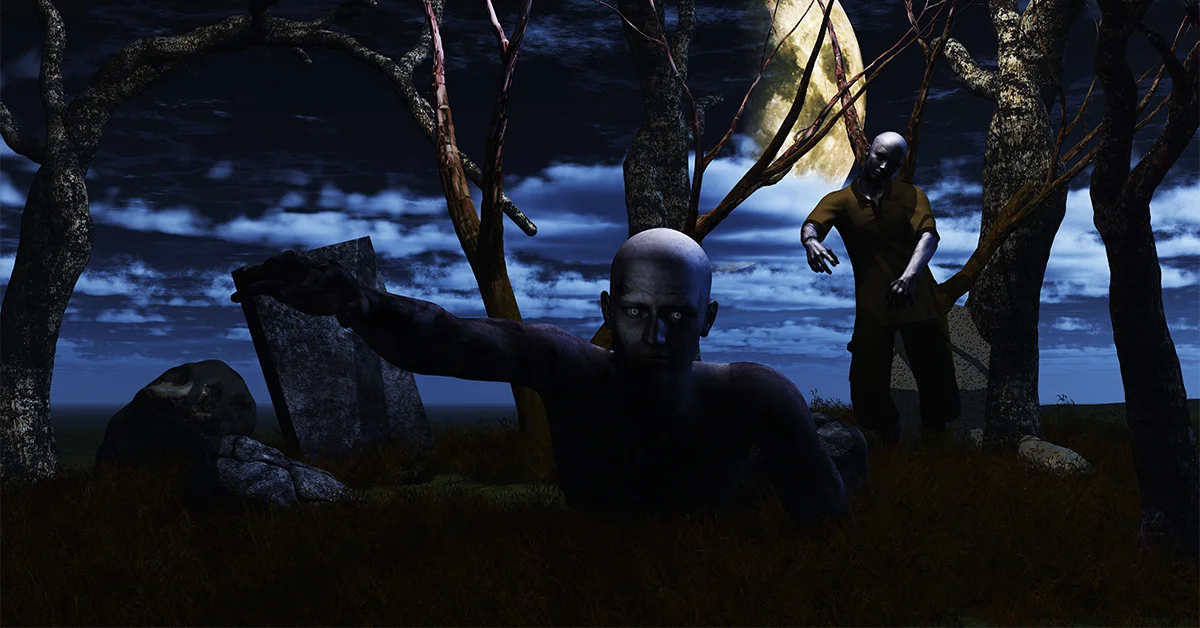
In the misty hills of Massachusetts lies the fictional town of Dunwich, a place that seems forever haunted by whispers of things unseen and unspeakable. For fans of cosmic horror and the works of H.P. Lovecraft, Dunwich stands as one of the most mysterious locations in his mythos — and at the heart of its terror is one chilling name: Wilbur Whateley.
Wilbur isn’t your typical horror villain. He’s not a vampire, a ghost, or even entirely human. Instead, he represents something far more disturbing — the product of forbidden knowledge, ancient gods, and the frailty of human sanity. In this article, we’ll unravel Wilbur Whateley’s dark legacy, exploring who he was, what made him so terrifying, and why his story remains one of the most haunting in Lovecraft’s entire universe.
TRENDING
How To Use The Idle Angels Characters Viewer Like A Pro
Who Is Wilbur Whateley? The Half-Human, Half-Otherworldly Prodigy
Wilbur Whateley is one of the central characters in H.P. Lovecraft’s 1929 story “The Dunwich Horror.” He was born into the strange and reclusive Whateley family — an odd clan living in a decaying farmhouse near the rural town of Dunwich. From the moment of his birth, Wilbur was anything but ordinary.
Born to Lavinia Whateley, an albino woman with a mysterious past, and an unseen father rumored to be none other than the cosmic entity Yog-Sothoth, Wilbur’s existence defied nature. He grew at an unnatural rate, spoke fluently by age two, and had an intelligence that far surpassed even the most learned scholars. But along with his intelligence came a terrifying appearance — his features only partially human, his body monstrous and deformed, hidden beneath long robes and shadows.
The Whateley Family’s Dark Purpose
The Whateleys weren’t just a strange family — they were keepers of forbidden knowledge. Old Wizard Whateley, Wilbur’s grandfather, served as both caretaker and mentor, teaching the boy ancient rituals and the ways of Yog-Sothoth, an otherworldly being associated with gateways between worlds.
Their ultimate goal? To open a portal and bring forth the Old Ones, cosmic entities that existed long before humanity — beings of unimaginable power and madness.
Wilbur was not just a son but a key, a living connection between humanity and the universe beyond. His rapid growth and strange powers were signs of his dual heritage — part man, part god, part something else entirely.
The Mystery Of Wilbur’s Father: Yog-Sothoth’s Shadow
One of the most enduring questions surrounding Wilbur Whateley is the identity of his father. Lovecraft hints strongly that his sire was Yog-Sothoth, a godlike entity described as being “coexistent with all time and space.”
If this is true, Wilbur was literally the child of a cosmic god, conceived through a blasphemous ritual by his mother and grandfather. His very existence blurred the lines between mortal and immortal, physical and metaphysical.
This connection explains his unnatural knowledge, his ability to manipulate strange energies, and his obsession with opening the gate to allow his “father’s kind” to enter our world. To Wilbur, this mission wasn’t evil — it was destiny.
Wilbur’s Quest For The Necronomicon
Central to Wilbur Whateley’s dark ambition was one of Lovecraft’s most infamous artifacts: the Necronomicon. This ancient book, written by the “mad Arab” Abdul Alhazred, contained the rituals and knowledge needed to summon the Old Ones.
Despite his own arcane upbringing, Wilbur needed the complete version of the Necronomicon to finish the ritual. He traveled to libraries and universities, including the famed Miskatonic University in Arkham, trying to access its forbidden copy.
When he was denied entry, Wilbur broke into the library at night — a fatal mistake. There, his monstrous nature was finally revealed as he was attacked by a guard dog and killed. His corpse, once uncovered, horrified the scholars who saw it.
Lovecraft describes the body as having tentacles, hooved feet, and scales — features no human could possess. The world finally glimpsed what had been hidden beneath Wilbur’s robes all along: the grotesque truth of his heritage.
The Other Horror: Wilbur’s Twin
Wilbur Whateley wasn’t the only strange child born that night in the Whateley farmhouse. His mother had another child, one that grew far more rapidly and remained completely invisible — a massive creature that eventually outgrew the house and the hills of Dunwich themselves.
This twin, the unseen horror, was the true embodiment of Yog-Sothoth’s power — a monstrous being of pure otherworldly energy. While Wilbur sought to bring his father’s kind to Earth, his brother already represented that invasion. When Wilbur died, the invisible twin went on a rampage, seeking to complete what Wilbur had started.
It took the combined effort of local scholars and mystics, including Dr. Henry Armitage, to finally banish the creature — but not before they heard its dying words: a desperate cry for Father and Wilbur.
This heartbreaking moment revealed that, for all their horror, the Whateley offspring were still driven by a twisted, tragic sense of family and belonging.
The Symbolism Behind Wilbur Whateley
Lovecraft’s characters are rarely just monsters — they’re symbols of larger ideas. Wilbur Whateley represents the collision of human curiosity and cosmic indifference. His creation was born from humanity’s thirst for forbidden knowledge and its arrogance in thinking it can control forces beyond comprehension.
Wilbur’s intelligence and determination make him sympathetic in a strange way. He’s aware of his difference, aware that humanity will never accept him, and yet he still strives for something greater — even if that something means the end of mankind.
He embodies the Lovecraftian theme that knowledge is both power and doom. The more one learns about the universe, the more one realizes how small and helpless humanity truly is.
Why Wilbur Whateley Still Terrifies Us Today
Nearly a century after “The Dunwich Horror” was first published, Wilbur Whateley continues to capture the imagination of horror fans and writers. His story isn’t just about monsters — it’s about the fear of the unknown, the limits of human understanding, and the dangers of forbidden knowledge.
Modern readers see in Wilbur a reflection of humanity’s obsession with advancement — our endless curiosity about space, genetics, and artificial intelligence. Like Wilbur, we reach for the stars, often without fully understanding the consequences.
Moreover, his grotesque form and tragic fate remind us that being different often leads to isolation. Wilbur is both the villain and the victim, cursed by his own birthright and consumed by forces far beyond his control.
The Legacy Of Dunwich
Dunwich itself has become an icon in horror fiction. Its decaying farms, eerie hills, and whispered legends symbolize rural decay and ancient evil, themes that Lovecraft used to contrast the old world with modern civilization.
After Wilbur’s death and his brother’s destruction, the town of Dunwich became forever marked by the events — a silent witness to the thin veil separating our world from the cosmic beyond.
Writers, filmmakers, and game creators continue to draw inspiration from Dunwich and Wilbur’s story. Whether it’s direct adaptations like The Dunwich Horror films or subtle nods in video games and literature, the shadow of Wilbur Whateley looms large in popular culture.
Conclusion
Wilbur Whateley’s story is more than a tale of monsters and madness — it’s a warning about the cost of forbidden knowledge and the fragility of human understanding. He stands as one of Lovecraft’s most complex creations: a being of immense intellect, born of both humanity and cosmic horror, doomed by his very nature.
The legacy of Dunwich and its cursed son continues to fascinate readers because it forces us to confront unsettling truths — that the universe may hold powers far beyond our comprehension, and that sometimes, the monsters we fear are not purely evil but tragic reflections of ourselves.
ALSO READ: Why Maim Poe Builds Still Dominate In 2025
FAQs
What is Wilbur Whateley?
Wilbur Whateley is a fictional character from H.P. Lovecraft’s short story The Dunwich Horror. He is the half-human, half-cosmic offspring of Lavinia Whateley and the entity Yog-Sothoth. Wilbur serves as both a villain and a tragic figure, striving to open a portal for the Old Ones to enter Earth.
Who is Yog-Sothoth in Lovecraft’s mythology?
Yog-Sothoth is one of Lovecraft’s most powerful cosmic beings, representing all time and space simultaneously. He’s often described as both omniscient and omnipresent, existing beyond human comprehension.
Why did Wilbur Whateley want the Necronomicon?
Wilbur sought the Necronomicon to complete a ritual that would open a gateway between worlds, allowing his father’s kind — the Old Ones — to return and reshape reality.
What happened to Wilbur’s twin?
Wilbur’s twin was an invisible, gigantic creature that terrorized Dunwich after Wilbur’s death. It was eventually destroyed by scholars using counter-rituals from the Necronomicon, revealing its tragic cry for Wilbur before it vanished.
Why is The Dunwich Horror so important in Lovecraft’s mythos?
The story is one of Lovecraft’s most significant works because it introduces key elements of his cosmic horror philosophy — the insignificance of humanity, the dangers of forbidden knowledge, and the existence of ancient, incomprehensible gods.