Maintaining a healthy septic system is an essential part of responsible homeownership, especially for properties without access to municipal sewage systems. If you’re a homeowner in Clermont or a similar community, learning about septic tank pumping can make a significant difference in avoiding unpleasant and costly plumbing emergencies. Keeping up with routine pumping and maintenance safeguards your septic system, promotes the health of your household, and protects your investment in your property.
When a septic system is neglected, issues such as backups, foul odors, and even severe damage to the drain field can arise. Pumping your septic tank regularly can significantly reduce the risk of these problems, extending the life of your system and preserving your home’s value. Understanding how septic tanks work and the steps for their maintenance is crucial for any homeowner who relies on these systems.
Understanding Septic Systems
A septic system is an onsite wastewater treatment system commonly used in areas without access to city sewers. These systems are essentially private wastewater treatment plants and consist of two main components: the septic tank and the drain field. Septic tank inspections are an important part of maintaining this system, as they help ensure everything is functioning properly and can identify issues before they become serious problems. Wastewater from household plumbing flows into the septic tank, where solids settle and form sludge while lighter materials form a scum layer. The remaining liquid then moves into the drain field for final filtration by soil bacteria before returning to the groundwater.
The Importance of Regular Pumping
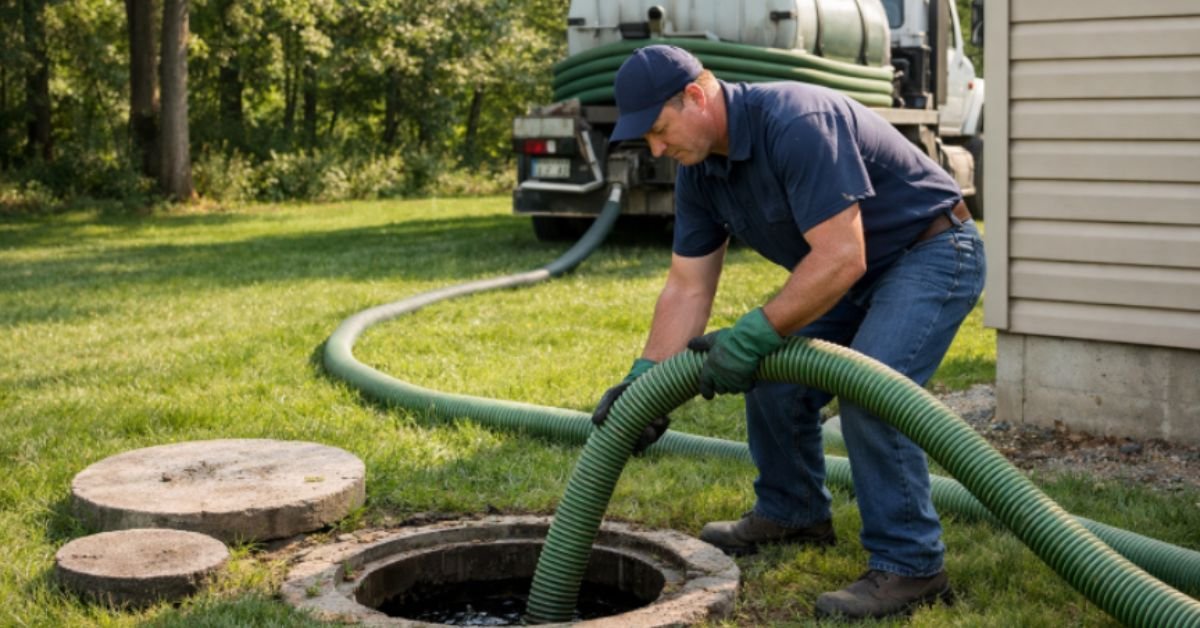
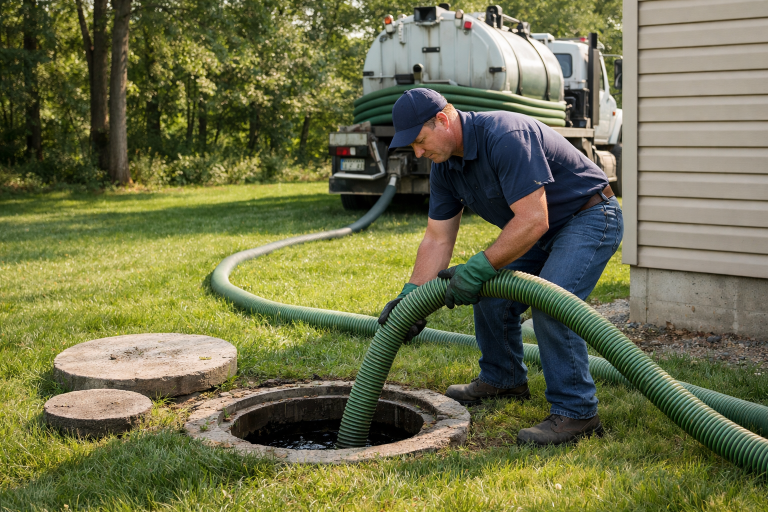
Over time, the sludge and scum accumulate in your septic tank. If they aren’t removed regularly, these materials will gradually take up more space, reducing the tank’s ability to separate solid waste from wastewater. When that happens, sewage can back up into your house or overflow into the drain field, posing health hazards and causing property damage. According to the U.S. Environmental Protection Agency, septic tanks should be pumped every 3 to 5 years, depending on their size and use.
Preventing Costly Repairs
Skipping regular pumping and inspections can cost homeowners thousands of dollars in repairs. For example, a drain field that fails due to neglect may require full replacement, which can cost $10,000 to $30,000. Routine maintenance, including pumping and professional inspections, is a small investment when compared to these potential expenses. In most cases, timely pumping prevents solids from escaping the tank and clogging the drain field, which is often one of the costliest repairs for septic owners.
Protecting Your Property Value
A malfunctioning septic system is not just a nuisance; it can also reduce your home’s market value. Property sales may be delayed or fall through if septic system inspections reveal issues. Documented evidence of a well-maintained system, including regular pumping and inspection records, can reassure potential buyers and maintain your property’s appeal in a competitive market. Routine care demonstrates responsible ownership and reduces the risk of unexpected problems during a home transaction.
Health and Environmental Benefits
Proper septic system maintenance is essential for protecting local water quality and preventing the spread of waterborne diseases. Septic tank failures allow untreated sewage to seep into the surrounding soil, contaminating groundwater, nearby lakes, and streams. This contamination can impact drinking water supplies and disrupt local ecosystems by promoting excessive algae growth. Preventive measures such as regular septic tank pumping play a crucial role in minimizing these risks.
Recommended Maintenance Schedule
The recommended maintenance schedule for septic systems depends on several factors, such as household size, septic tank size, overall water usage, and the type of waste generated. In general, the EPA and most septic professionals recommend having the tank inspected every 3 years and pumped as needed, usually every 3 to 5 years. Larger households or those with garbage disposals may require more frequent maintenance. Consulting with a licensed professional ensures that your specific system gets the attention it needs and remains compliant with local regulations.
Signs Your Septic System Needs Attention
Homeowners should watch for several warning signs that indicate a septic system needs immediate care:
- Slow drains in sinks, bathtubs, or toilets
- Unpleasant odors near the septic tank or drain field
- Standing water or especially lush grass in the area of the drain field
- Gurgling sounds in the plumbing system
Addressing these concerns promptly can prevent further damage and keep repair costs to a minimum.
Choosing a Professional Service
Selecting a qualified septic service provider is an important step for homeowners who want to ensure their system’s longevity and functionality. It is best to choose licensed providers with experience, good reputations, and positive customer feedback. Professional services not only handle inspections and pumping but can also advise on optimal maintenance schedules and spot issues before they become emergencies. Homeowners who develop a relationship with a trusted provider can benefit from expert advice and prompt emergency service should unexpected issues arise.
Final Thoughts
Regular septic tank pumping is an integral part of maintaining your home’s plumbing and protecting your property for the long term. Combined with ongoing inspections and support from a reputable professional, these practices can help prevent emergencies, safeguard your investment, and protect your community’s health and environment.