Staying at the forefront of web design requires constant awareness of new trends and a willingness to experiment. As we navigate through 2026, the landscape is rapidly evolving with forward-thinking design approaches that push boundaries and enhance usability. Understanding these trends is essential for anyone looking to create impactful websites that not only look great but also deliver exceptional user experiences. For a diverse collection of creative inspiration and practical examples, the website design gallery on Mobbin can be a valuable resource when implementing fresh ideas.
Modern consumers expect websites to be intuitive, visually compelling, and personalized. Failing to keep up can mean losing your audience to competitors that prioritize user expectations and embrace new technologies. By integrating the latest design trends, you can significantly increase user engagement, satisfaction, and brand loyalty.
The focus is not just on aesthetics but on fostering seamless, enjoyable digital experiences. Elements such as bold typography, micro-interactions, artificial intelligence, and 3D graphics are transforming both the look and feel of websites across industries.
This guide outlines the most impactful web design trends of 2026 and provides actionable advice to help you incorporate them into your next project. From accessibility features like dark mode to the appeal of custom illustrations, these strategies will ensure your site remains modern, attractive, and relevant.
Bold Typography
Typography is taking center stage in web design for 2026, with brands opting for large, unconventional typefaces to express their personalities. This shift toward more dramatic, legible fonts serves not only as a visual hook but also as a way to solidify a brand’s identity. Creative typography draws users in, guides them through site content, and can dramatically improve overall readability when used thoughtfully.
For instance, The New York Times regularly experiments with font variations to enhance both digital appeal and trust. Combining bold typography with a carefully considered layout helps direct attention to key messages and makes content more digestible.
Micro-Interactions
Micro-interactions are subtle elements of motion or design that respond to user actions, such as hovering over buttons, liking content, or completing a form. These small details enhance the user experience by providing feedback, clarifying process status, and making navigation feel more fluid.
When properly implemented, micro-interactions help build user confidence and make website navigation feel more natural. According to Smashing Magazine, these tiny animations can be instrumental in improving retention and turning passive visitors into engaged users.
AI Integration
Artificial intelligence is playing an increasingly prominent role in web design. AI-driven personalization enables websites to adapt content, recommendations, and layouts based on an individual user’s preferences and browsing history. With tools such as chatbots, predictive search, and automated content generation, AI can streamline workflows and enable sites to respond proactively to user needs.
This kind of tailored experience has become a key expectation. Major platforms like Google and Amazon use sophisticated AI algorithms to customize their services, increasing user satisfaction and encouraging repeat visits. Leveraging AI in your own designs can help you offer an optimized path through content, ultimately boosting conversions.
3D Elements
Websites are coming to life through 3D graphics and interactive visuals. These elements add depth and realism, making websites more immersive and engaging. Thanks to advances in web technology, it is now possible to use high-quality 3D elements without slowing down site performance.
Many e-commerce brands are integrating product visualizations that users can interact with, rotate, or customize in real time. This technology not only elevates a site’s appearance but also enhances the consumer decision-making process. Platforms like Wired highlight how 3D design elements can mimic real-world interactions, adding value and delight to the digital space.
Dark Mode
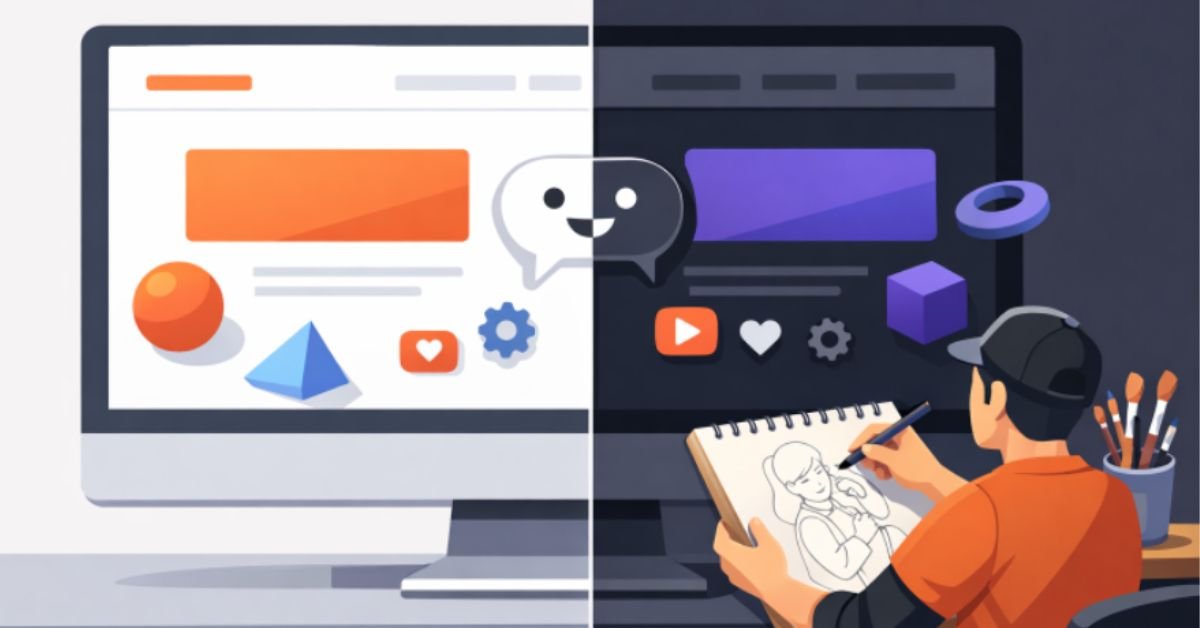
Providing users with a dark mode option has become increasingly popular. Dark mode offers a contemporary look, reduces eye strain, and conserves battery life on mobile devices. It is also an important accessibility feature, catering to users who may be sensitive to bright backgrounds.
Integrating this option demonstrates awareness of user preferences and a commitment to inclusivity. Tech leaders such as Apple and Twitter have long offered dark mode features, setting a standard for modern websites. Including a toggle for light and dark themes can significantly boost user satisfaction and time spent on your site.
Custom Illustrations
Custom illustrations are an effective way to create a memorable, brand-specific look. Unlike stock images, original artwork sets your website apart and can communicate complex ideas in a visually appealing way. In 2026, expect to see more brands investing in bespoke illustrations to define their visual identity and tell their story coherently across all digital touchpoints.
Well-executed illustrations also foster emotional connections with users, making the site more relatable and enjoyable to explore. Hand-drawn artwork, in combination with digital effects, can reinforce messaging and provide a unique, authentic feel that resonates with a diverse audience.
Conclusion
Keeping pace with web design trends in 2026 is more than an exercise in aesthetics. It is about creating functional, inclusive, and memorable experiences. By adopting bold typography, integrating micro-interactions, harnessing AI tools, adding 3D elements, offering dark mode, and leveraging custom illustrations, you place your site at the cutting edge of digital design. Staying innovative ensures your online presence stands out and delivers real value to every user.
CLICK HERE FOR MORE BLOG POSTS