Why New York City Life Calls for a Different Stroller
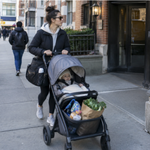
In New York City, a stroller may need to handle crowded sidewalks, curb cuts, apartment building lobbies, subway stairs, and tight neighborhood shops in a single outing. It also becomes part of the everyday carrying system, alongside essentials like groceries, extra layers, snacks, and diaper bags New York, NY. The best choice is not necessarily the most elaborate model. It is the one that fits the family’s real routine. Families may encounter cracked pavement, wet streets, narrow entrances, busy café aisles, and limited storage at home. A stroller that feels smooth in an open showroom can become frustrating if it is difficult to fold by a subway gate or too wide for an older elevator. No single design is perfect for every situation, so it helps to prioritize the challenges that occur most often.
Start With Your Family’s Daily Routine
Before comparing strollers, map out a typical week. Consider daycare drop-offs, walks to the park, grocery errands, taxi rides, visits with family, and public-transit trips. Think about who will push the stroller, who may need to carry it, and where it will be stored between outings.
- List the trips you make most often.
- Note every place where the stroller must be lifted or carried.
- Identify rough sidewalks, stairs, and narrow doorways on regular routes.
- Estimate how much room you need for daily supplies.
- Decide whether you want a stroller that can adapt as your child grows.
A family in a walk-up may place the highest value on a light frame and quick fold. A family that walks long distances through Central Park, Prospect Park, or neighborhood streets may opt for a heavier model in exchange for larger wheels, better handling, and a more supportive seat.
Lightweight, Full-Size, or Convertible?
Most city shoppers will compare three broad stroller categories. Each has tradeoffs, and the right option depends on the route rather than the label.
- Lightweight strollers: Often easier to lift, carry, fold, and store in compact apartments. They may offer smaller baskets, smaller wheels, and less cushioning.
- Full-size strollers: Often provide more storage, a roomier seat, and a smoother push over uneven surfaces. Their larger frames can be harder to carry upstairs or fit into limited storage.
- Convertible strollers: May change configurations for a growing child or an additional child. This flexibility can be useful, although it can also add bulk and weight.
A middle-ground stroller can work well for households that split time between walking and transit. Focus on the jobs it must complete repeatedly, such as fitting through the building door, folding near a bus stop, or rolling comfortably over worn pavement.
Features That Matter on City Streets
Folded size and carrying weight: Check the stated folded height, width, and depth, not just whether a model is called compact. A self-standing fold can keep an entryway orderly, while a carry handle or strap can help when stairs are unavoidable.
Wheels and suspension: Larger wheels can make curb crossings and imperfect sidewalks easier to manage. Swivel front wheels help with tight turns in stores and lobbies, while lockable front wheels may provide more control on rougher paths.
Storage: Look for a basket that is accessible from the rear and large enough for the items you actually carry. Keep loads within the stroller’s listed limits and avoid placing heavy bags on the handle, as this can affect stability.
Weather protection and comfort: A substantial canopy, ventilation, washable fabric, and an appropriate recline can make longer outings more manageable. For newborn use, confirm the manufacturer’s instructions for the seat position, accessories, and weight range.
Safety Checks Before Buying
Test the brakes, harness, and frame lock before bringing a stroller home. The American Academy of Pediatrics recommends features such as easy-to-use brakes, a wide base, and a five-point harness in its safe stroller checklist. The stroller should feel stable when loaded and should lock fully open before a child is placed inside. It is also wise to register a new stroller and check recall information periodically. Federal stroller requirements cover areas including stability, brakes, restraints, latches, folding mechanisms, wheels, and structural integrity, as explained in the Consumer Product Safety Commission’s stroller guidance.
- Use the harness on every ride.
- Apply the brake whenever the stroller is stopped.
- Keep fingers away from hinges during folding and unfolding.
- Never leave a child unattended in the stroller.
- Follow the listed age, height, and weight limits.
Measure Before Bringing a Stroller Home
Measure the places that determine whether a stroller will work day after day. Open width matters for doorways and elevators, while folded measurements matter for closets, hallways, and trunks.
- Front door: Check the open stroller width and enough room to turn inside.
- Elevator: Measure door width, interior depth, and turning space.
- Apartment storage: Compare folded dimensions with the available closet, entryway, or wall space.
- Car trunk: Confirm there is room for the folded stroller and other essentials.
- Daily route: Notice stairs, tight entrances, broken pavement, and awkward curb cuts.
How to Test a Stroller in Person
Bring a diaper bag or another comparable load when possible. An empty stroller can feel very different once it carries supplies and a child in winter clothing.
- Push it with one hand and make a tight turn.
- Engage and release the brake without searching for it.
- Fold and open it several times.
- Lift it by the intended carrying point.
- Check basket access with a bag inside.
- Adjust the handlebars, harness, and recline.
Common Questions From Urban Families
Is a lightweight stroller always best for city living?
No. It can be ideal for stairs, transit, and compact homes, but a full-size model may be better suited to long walks, frequent errands, or rough sidewalks.
What matters more, weight or suspension?
Weight often matters most in a walk-up. Suspension may matter more when the stroller is used for extended walks on uneven streets and park paths.
Do families need a travel system?
A travel system can simplify transfers between a compatible car seat and stroller for frequent drivers. Families who mainly walk or use transit may prefer a lighter, simpler setup.
Final Decision Checklist
- Does it fit your usual routes, doorways, and storage area?
- Can the adults who use it lift and fold it comfortably?
- Are the brakes, harness, and frame lock straightforward to operate?
- Does the basket hold the supplies you use most?
- Will the seat and weight limits remain practical as your child grows?
Conclusion
The smartest stroller for a New York City family is the one that removes friction from daily life. A compact model may make subway stairs, crowded sidewalks, narrow doorways, and small apartments easier to manage. A larger model may provide a steadier ride, more storage, and added comfort for longer walks or frequent outdoor trips. Parents should also consider how often they use public transportation, where they will store the stroller, and whether they regularly navigate busy streets, parks, or uneven sidewalks. Match the stroller to your home, neighborhood, storage space, daily routine, and regular route, and the choice becomes much clearer. A stroller that fits naturally into everyday life can make errands, commutes, and family outings easier to handle.